Light rail vehicle safety is defined in their infrastructure and behavior in conflict points. Due to their significant role in urban and public transportation, the way that light rail vehicles (LRVs) behave while operating alongside road traffic creates many safety challenges. Their infrastructure and technology also play a crucial role in providing safe operation. in this blog post, we will learn how each of these factors affect the light rail safety, what can lead to main safety challenges, and how to meet them effectively to ensure a safe transportation with efficient operation.
What Is a Light Rail Vehicle?
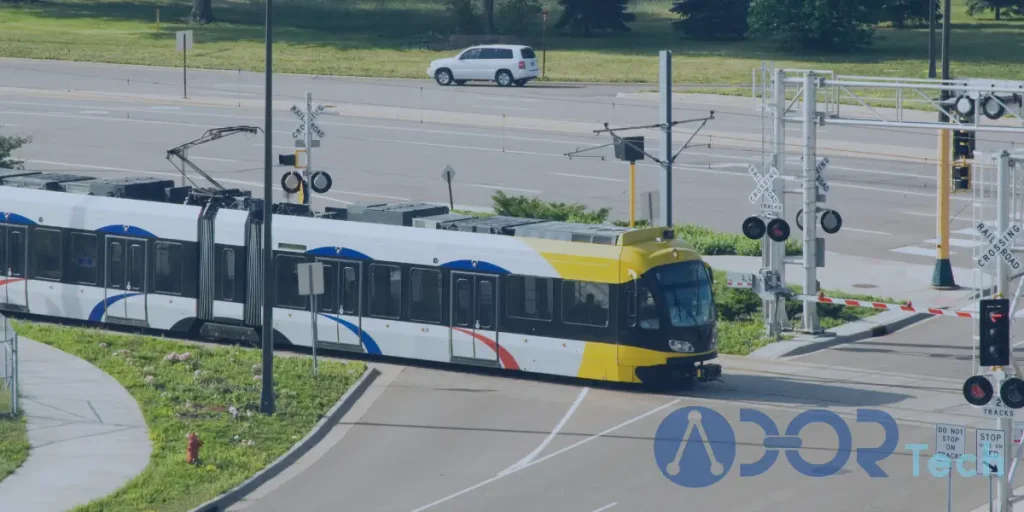
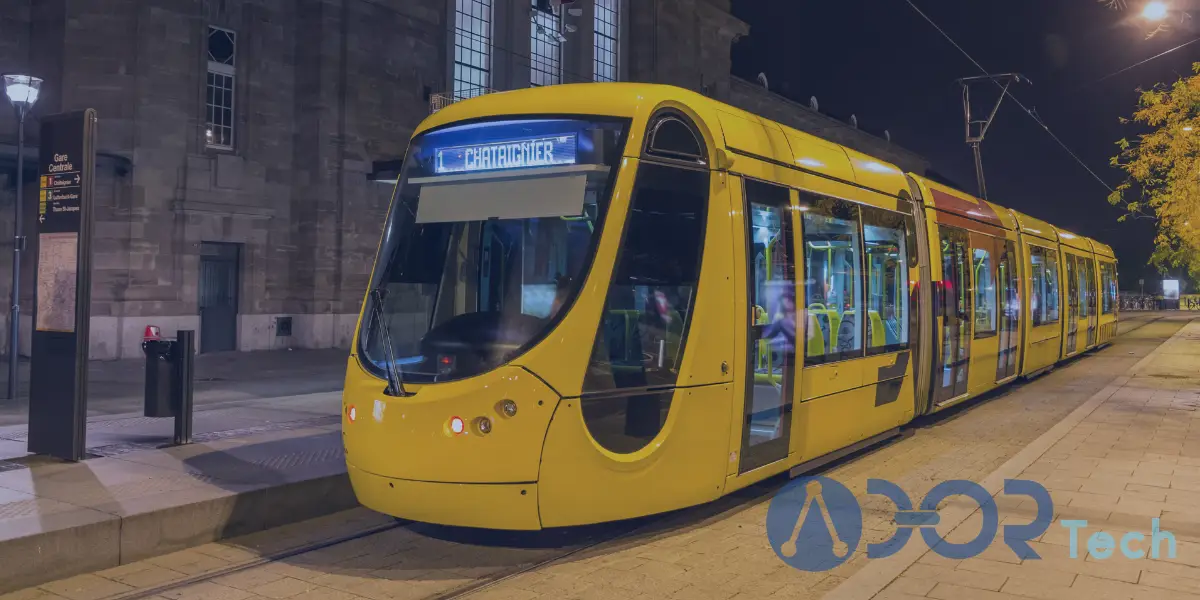
Light rail vehicle (LRV) is an electric-powered train mainly used for urban and suburban public transportation. Most of these tram trains travel on fixed rail tracks and are powered through catenary system railway (OCS), which enables LRVs to operate completely separated from road traffic. Therefore, they are considered as one of the best transportation options for crowded cities. Because of their light design, light rail vehicles allow more flexibility in operation rather than metro and conventional railway trains.
How Do Light Rail Vehicles Interact with Road Traffic?
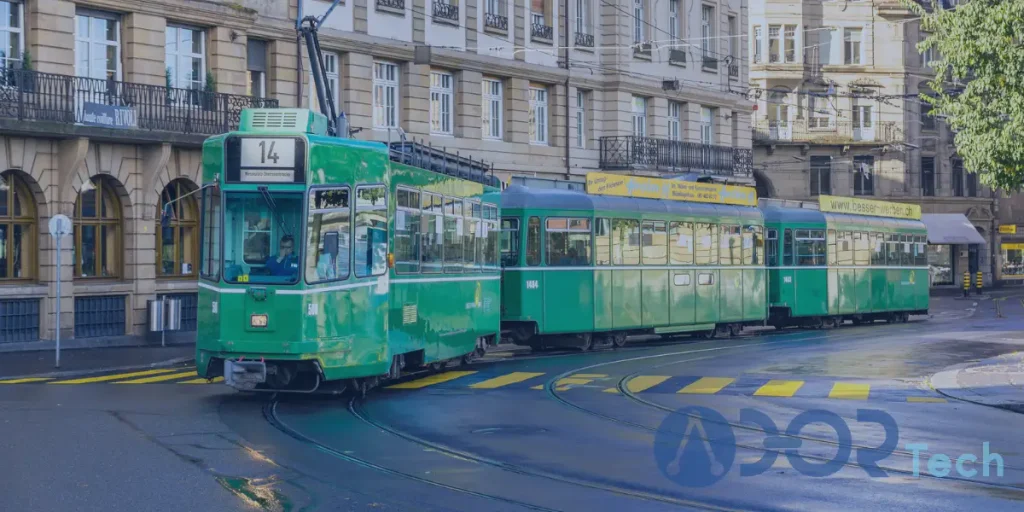
The way that light rail vehicles (LRVs) interact and behave in road traffic widely depends on their design of transit route. In mixed-traffic areas, where the LRVs and road vehicles use the same route for transportation, they generally travel on embedded tracks within the roadway and may share lane with cars, buses, and other road vehicles while in semi-exclusive corridors, they travel on exclusive tracks designed for light rail vehicles often in the center or along the side of a road. In both of these cases, the transit route of LRVs is clear and almost dedicated.
But in intersections, where a light rail vehicle route meets or crosses one or more roads, LRV movements are coordinated with road traffic through dedicated rail signals, conventional traffic lights, warning signs, pavement markings, and in some locations, crossing gates. Potential road conflicts can arise when motorists turn across the tracks, stop within the track area, or enter a crossing without enough space to clear it. So, the road drivers should obey all traffic controls, avoid stopping on the tracks, check carefully before turning across an LRV route, and allow an approaching vehicle to pass safely.
How Light Rail Vehicles Differ from Road Vehicles in Traffic?
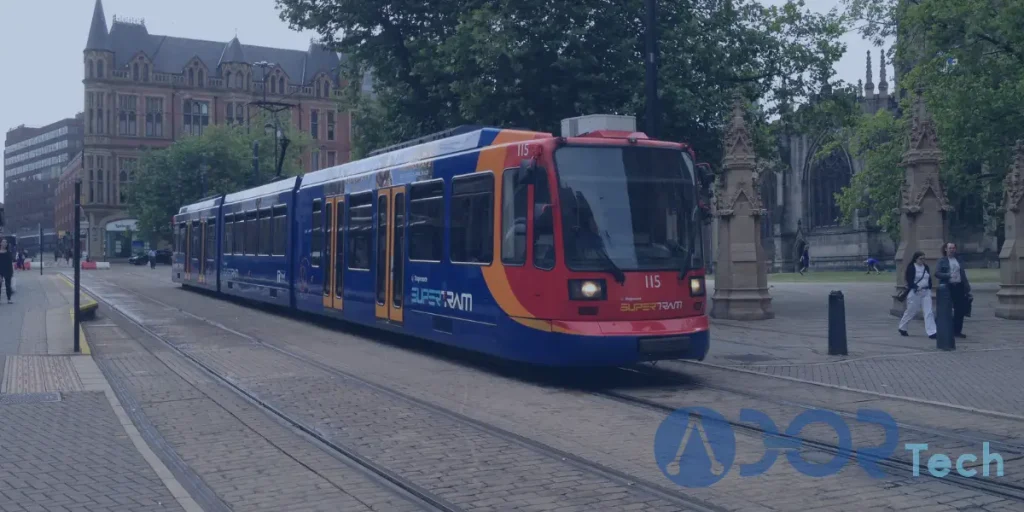
The main difference between light rail vehicles and cars or other road vehicles is their transit route. LRVs move along the fixed dedicated rail tracks, mostly in separate lanes or sections, and they cannot change lanes, swerve, or steer around a vehicle. Their heavier weights, on the other hand, make LRVs require longer distance to stop, particularly at high speeds or in poor track conditions while road vehicles can instantly stop when needed.
Moreover, light rail vehicles may follow dedicated rail signals rather than the traffic lights. When they travel around curves, their front and rear sections may extend beyond the rails. Modern LRVs typically can operate relatively quietly, and cyclists or other road vehicles may not detect them by their sound. This is why stopping on the tracks or making unauthorized turns across an LRV route can significantly threaten traffic safety.
The Most Common Road-Traffic Conflicts: How to Ensure Light Rail Vehicle Safety
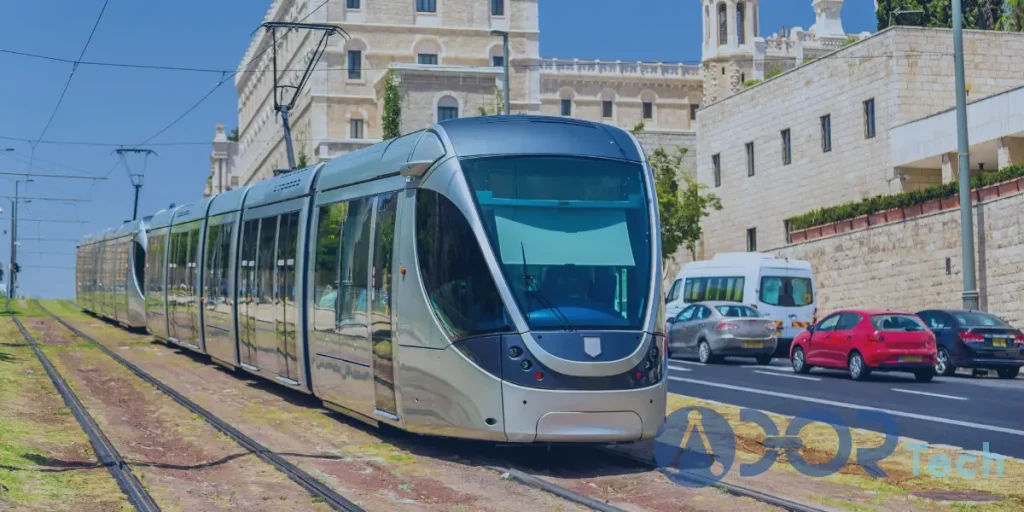
As light rail vehicle safety is a critical matter, right behaving in road-traffic conflicts is important, particularly in intersections and locations where road drivers must cross the tracks. From road traffic conflicts challenges to rail track maintenance requirements, here we will understand how to behave in the most common challenges in road conflicts in these conditions to ensure maximum safety of both LRVs and road users:
Turning Across the Tracks
In some cases, it may be required for road vehicles to turn across the dedicated tracks for light rail vehicles. In these situations, most of them usually turn without noticing an LRV approaching or understanding its signals. Dedicated turning phases, turn-restriction signs, lane separators, clear pavement markings, and improved sightlines can help prevent these conflicts.
Stopping on the Tracks
Most of the dedicated LRV routes have highly visible and clear “DO NOT STOP” warning signs, coordinated traffic signals, and sufficient space beyond the crossing because stopping on the light rail vehicle tracks can significantly lead to hazardous accidents. Since light rail vehicles require longer distance to completely stop, road drivers should consider these signs seriously.
Pedestrian & Cyclist Conflicts
Pedestrians and cyclists have the most traffic conflicts with light rail vehicles because they may be distracted, cross outside designated areas, or fail to notice a quiet approaching LRV. Marked crossings, pedestrian signals, warning surfaces, fencing, channelized routes, and adequate lighting can guide them toward safer crossing points. Cyclists should also cross embedded rails at a safe angle to reduce the risk of their wheels becoming trapped.
Limited Visibility & Failure to Obey Signals
Buildings, vegetation, parked vehicles, street furniture, and other obstructions can prevent LRV operators and road users from seeing one another. So, maintaining clear sightlines, improving lighting, restricting parking near crossings, and installing advance warnings can reduce this risk. Moreover, road users may ignore the warning signs or misunderstand traffic lights, rail signals, or crossing gates. Clearly positioned signals, active warning lights, audible alarms, and public education can make LRV movements easier to recognize.
Optimized Infrastructure Design & Maintenance for Light Rail Transit Safety
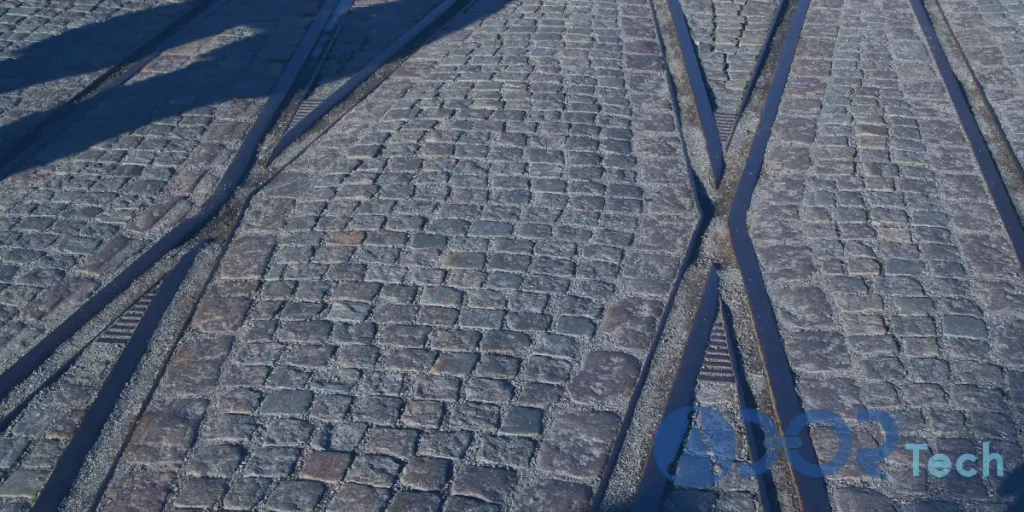
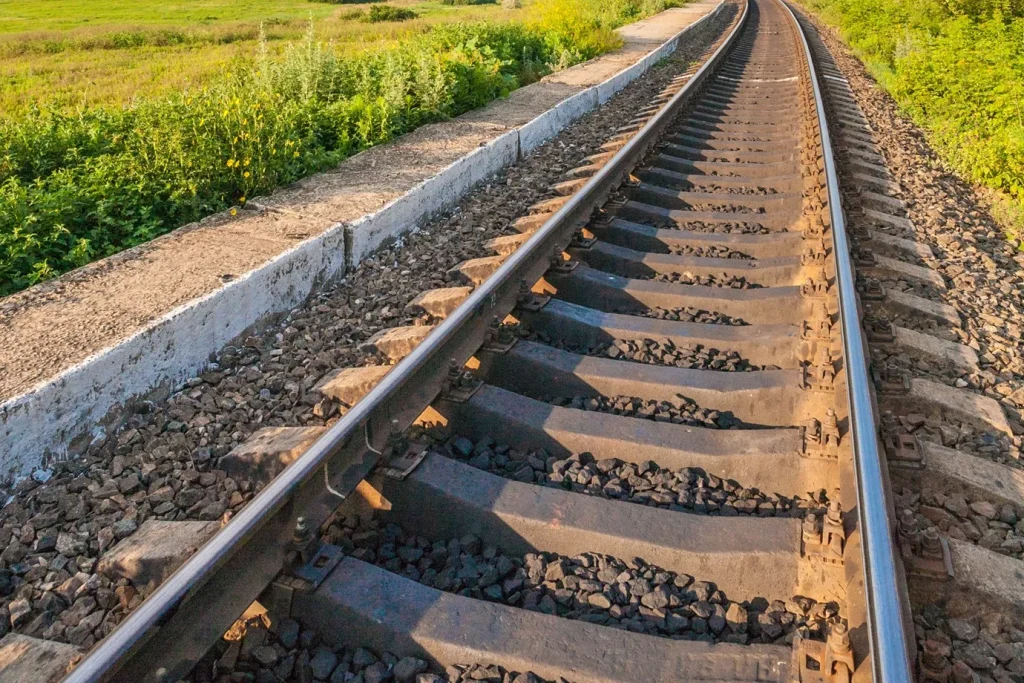
LRV safety does not just rely on road traffic; it is also defined by the track’s infrastructure design and maintenance. Actually, light rail safety begins with Track alignment, intersection layout, visibility, traffic flow, and available stopping distances should all be considered during the design process. However, regular railway infrastructure maintenance is also as important as its design. If any defect in rail tracks infrastructure can lead them to massive operational failures, which significantly reduce light rail transit safety.
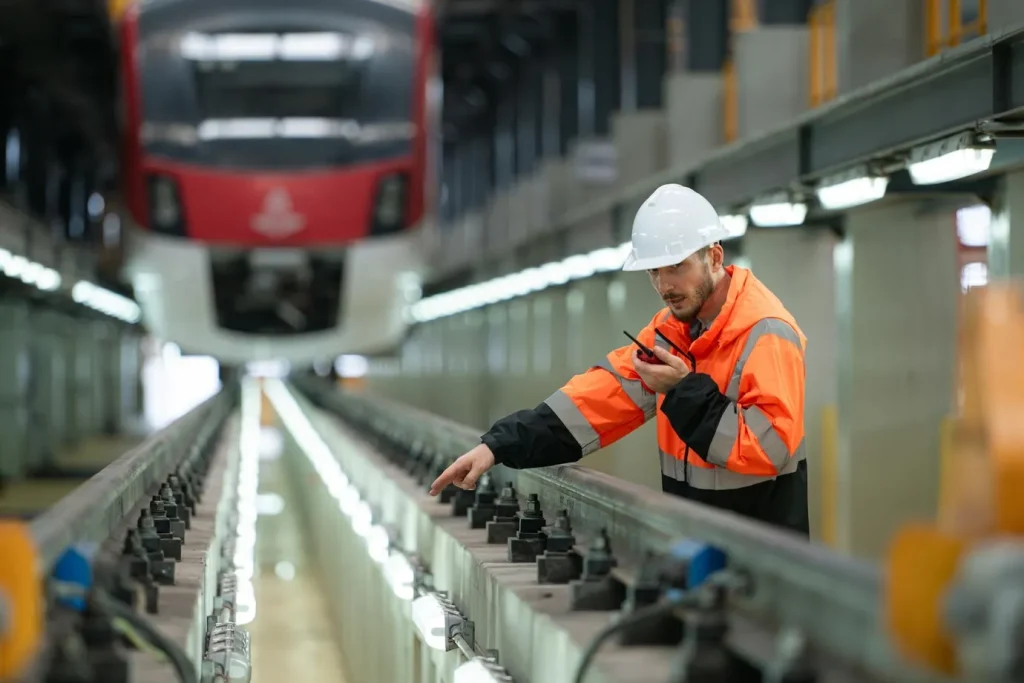
Infrastructure managers should select the appropriate types of railway maintenance based on asset condition, traffic intensity, and operational risk. Using predictive maintenance in railway operations helps identify deterioration before it causes service disruption, while specialized railway maintenance equipment enables crews to inspect, restore, and renew affected assets efficiently.
Conclusion
In conclusion, light rail vehicle safety depends on more than cautious driving. It needs to position signs in high visible places and use signals to warn road users. Behavioral considerations near and around light rail vehicles are also required, such as do not stopping on dedicated rail tracks for LRVs. In addition, we learned that rail track infrastructure design and regular maintenance are not only important but also are counted as one of the most critical factors that can directly affect LRV safety.
FAQs
It means that LRVs share traffic lanes with cars and buses or cross their paths at intersections and driveways.
Not necessarily. Right-of-way rules depend on the type of alignment, traffic signals, and local regulations.
An LRV is considerably heavier than a typical road vehicle and runs on steel wheels over steel rails. Its stopping distance varies according to its speed, weight, track conditions, gradient, and braking system.