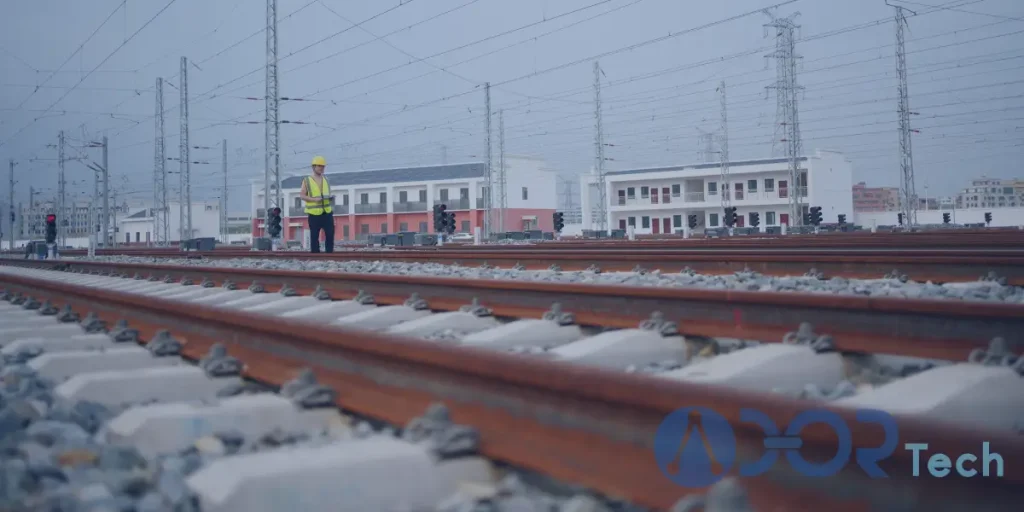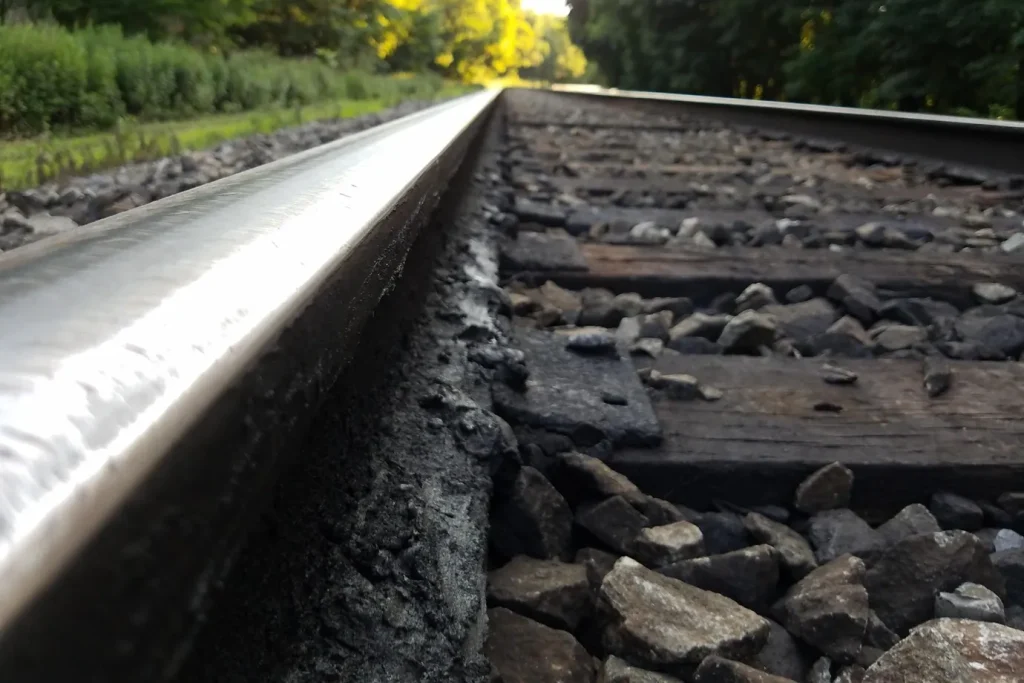
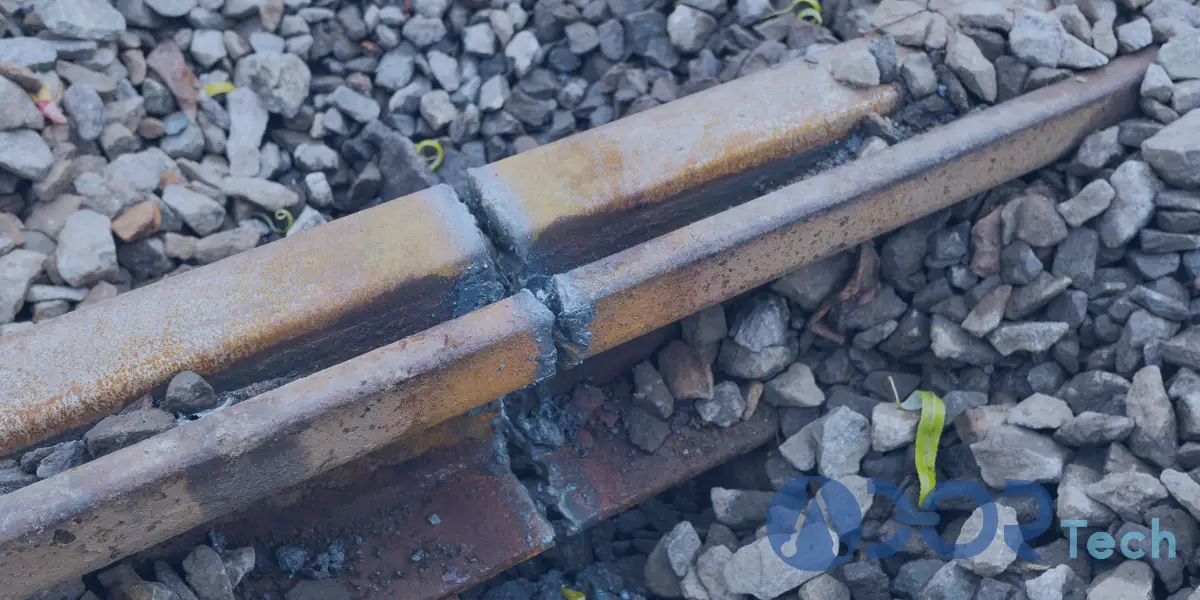
Rail cutting and welding equipment are among the primary equipment that directly affects the railway infrastructural operations. Rail cutting machine and rail welding equipment should be chosen based on the rail profile, rail metallurgy, site conditions, and required weld quality. In this blog post, we will understand the concept of rail cutting and rail welding at first to realize what is the importance of these operations in railway maintenance and infrastructural projects. Then, we’ll delve into the different types of rail welding and rail cutting equipment and methods used in these processes. Finally, we will guide you on how to choose the most reliable and suitable rail cutting and welding equipment.
What Is Rail Cutting and Welding Equipment?
Rail cutting and welding equipment are specialized machinery used to cut rail tracks accurately, prepare their ends, and permanently join them. This equipment is used in railway construction, track renewal, and maintenance to install rails, replace defective sections, repair broken rails or failed welds, and construct continuous welded rail. But before going further about the rail cutting equipment and rail welding machine individually, it is necessary to understand what rail cutting and rail welding are.
Rail cutting refers to cutting the rail track through its cross-section, including head, web, and foot. Rail cutting is usually used in railway construction or renewal process by removing a part of rail track and adjusting the length of it to the standard track layout. It can also be used for removing defective parts of a rail track or failed welded parts in railway maintenance. Moreover, rail cutting can also be effective as preparation of rail track ends before welding process.
Rail welding is process of joining two rail tracks end-to-end to create a continuous running surface. After a defective section of rail has been cut out and removed, a replacement or closure rail is inserted and welded to the existing rail ends. Rail welding can also be used in manufacturing long rail strings, track installation and renewal, replacing failed welds, and so on.
Why Precision Cutting and Welding Matter in Railway Projects?
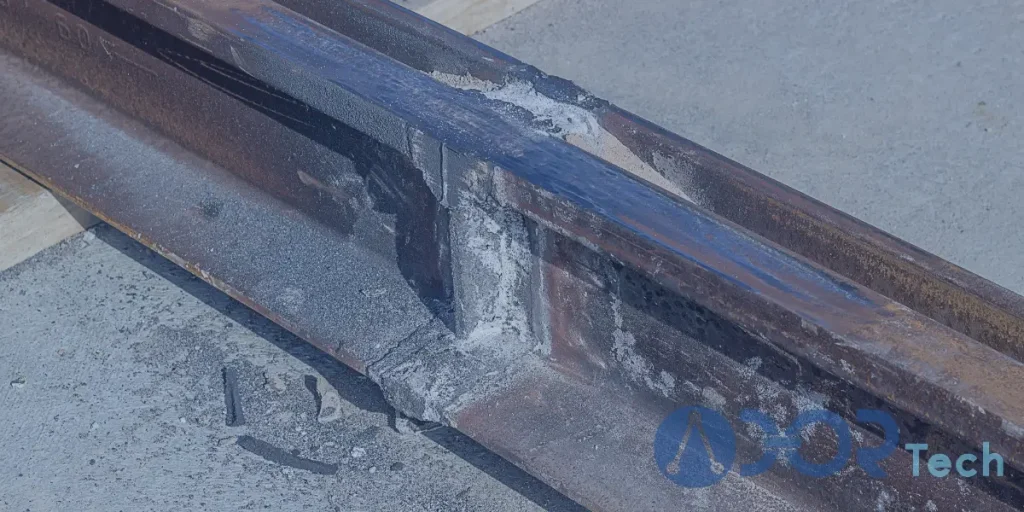
Precise cutting and welding play a critical role in producing safe and durable railway tracks. Inaccurate cuts cause uneven heating, poor fusion, incorrect rail weld geometry, and rail profile matching difficulties. Precise rail welding, on the other hand, is important due to creating a continuous joint with the required strength, alignment, and running surface profile. This is why using reliable rail cutting machine and rail welding equipment becomes a considerable challenge.
Main Types of Rail Cutting Equipment
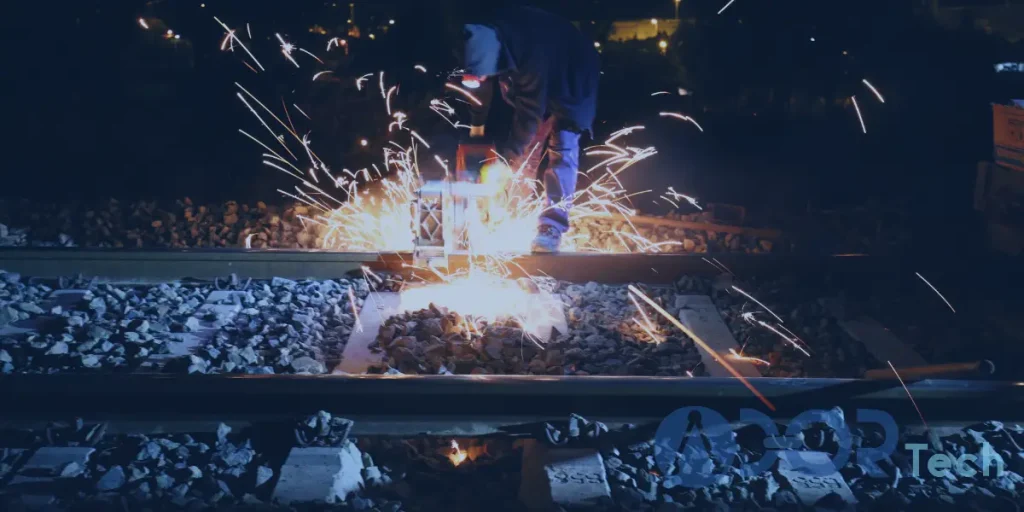
Regarding the necessity of accurate rail cutting, choosing the appropriate equipment is crucial. Rail cutting equipment and tools are classified into five main types based on their mechanism, power source, and operating configuration. Here are the most common rail cutting machine types:
Abrasive Rail Saw
Abrasive rail saw refers to a specialized tool that uses a high-speed reinforced cutting disc to cut through the rail cross-section (head, web, and foot). This rail cutting machine is secured to the rail by a clamping mechanism that guides the disc through the rail track cross-section and produces a square cut. The portability and high-speed operation of abrasive rail saws allow them to be used for track construction, rail replacement, weld preparation, and emergency repairs.
Hydraulic Rail Cutting Machine
Hydraulic rail cutting machine is powered by pressurized hydraulic fluid from a separate power pack or railway maintenance vehicle, providing consistent power for cutting through the rail cross-section. Depending on their design, they may use an abrasive disc or toothed blade. This rail cutting equipment is suitable for repetitive cutting during track construction and renewal, particularly where a hydraulic supply is already available.
Petrol-Powered Rail Cutter
Using an internal-combustion engine, petrol-powered rail cutters drive the cutting disc directly through the rail track. They are commonly used for trackside construction, maintenance, removing defective rail parts, and emergency repairs because of independent operations of external electrical or hydraulic supplies. Portability of this rail cutting machine makes it ideal for remote locations, although fuel handling, exhaust emissions, noise, vibration, engine maintenance, and fire controls must be considered. Most petrol-powered rail cutters use abrasive discs and a rail-mounted guide or clamp to control the cut.
Electric and Battery-Powered Rail Cutter
As their name suggests, electric rail cutters obtain power from a mains supply or portable generator, while battery-powered models use rechargeable battery packs. They reduce local exhaust emissions and are therefore useful in tunnels, underground railways, stations, depots, and other areas with restricted ventilation. Battery machines also eliminate power cables, although their operating time depends on battery capacity, rail size, rail grade, and cutting load.
Stationary vs. Portable Rail Cutting Equipment
Stationary rail cutting machine provides controlled positioning, high repeatability, and accurate cuts, which are making them suitable for workshops, rail welding plants, and depots. The rails should be transported and handled within the facility to be cut out using stationary rail cutting equipment. However, portable rail cutting machine is designed for use directly on or beside the track. They are lighter, easier to transport, and suitable for construction, renewal, maintenance, and emergency work.
Main Types of Rail Welding Equipment
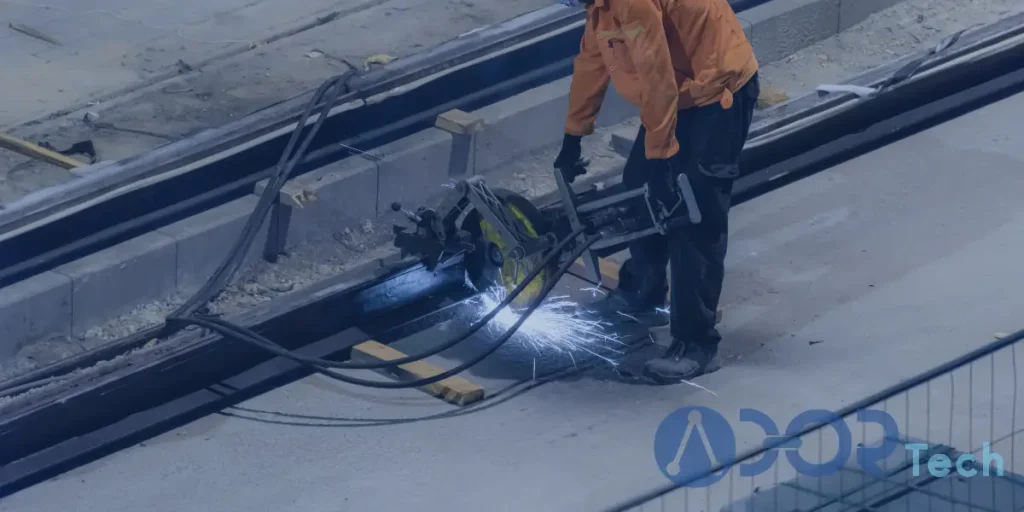
Rail welding equipment is provided in four main types according to the process used to heat, join, and consolidate the rail ends. These classified types are:
Flash Butt Welding Machine
Flash butt welding machine uses electrical resistance to heat the two rail ends while bringing them into intermittent contact. Once the required temperature is reached, the rail welding machine applies a high upsetting force that forges the rail ends together. The displaced metal is then sheared away, and the joint is ground to restore the rail profile.
Thermite or Aluminothermic Rail Welding Equipment
Thermite rail welding equipment, also known as aluminothermic rail welding machine, uses an exothermic reaction between aluminum and iron oxide to produce molten steel. The prepared rail ends are aligned with a specified gap and enclosed by molds. After preheating, the molten steel is poured into the mold cavity, where it fills the gap and forms the joint as it solidifies.
Flash Butt Welding vs. Thermite Welding
Flash butt welding machine provides automated process control, repeatable weld quality, high production rates, and recorded welding parameters, which make them suitable to be used in fixed welding plants to manufacture long welded rail strings and as mobile units during new track construction and major renewal projects. Thermite welding machine, however, is portable and typically used for individual field welds, closure-rail installation, broken-rail repairs, turnout work, and locations inaccessible to mobile flash butt welding machines.
| Flash Butt Welding | Thermite Welding | |
| Mechanism | Electrical heats and forges the rail ends | Filling the gaps with molten steel |
| Application | Long welded rail production, new construction, and major track renewal | Isolated field welds, closure rails, repairs, turnouts, and restricted-access sites |
| Configuration | Fixed plant or mobile rail welding machine | Portable field-welding equipment |
| Production rate | High | Low |
| Portability | Limited | High |
Electric Arc Rail Welding Machine
Electric arc welding equipment refers to rail welding machines using an electric arc to generate heat and deposit filler metal onto the rail. This system generally includes a welding power source, electrodes or wire-feeding equipment, preheating and temperature-control devices, and rail-finishing tools. Electric arc rail welding equipment is mainly used for repairing worn or damaged rail heads, turnout components, crossings, and other localized defects.
Gas-Pressure Rail Welding System
Gas-pressure rail-welding systems use oxy-fuel burners to heat two accurately prepared rail ends while hydraulic equipment presses them together. Once the rail ends reach the required forging temperature, axial pressure forms a solid-phase joint without adding filler metal. The resulting upset is removed, and the rail profile is finished by grinding. Gas-pressure rail welding machine is ideal for welding plants or as mobile equipment where the process is approved.
Essential Accessories and Supporting Equipment
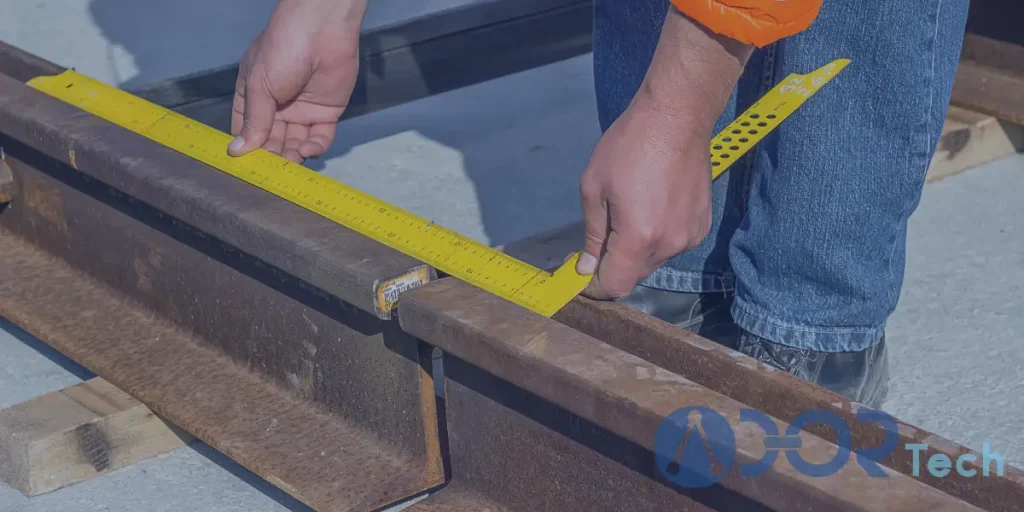
Depending on the type of rail cutting and welding equipment, supporting tools and accessories are required to position the rails, control the work, finish the joint, and verify its quality. These accessories must be compatible with the rail profile, steel grade, machine, consumables, and approved welding system. The most common accessories for rail cutting and welding equipment are follows as:
- Rail clamps and machine-mounting frames
- Rail-end squares and alignment tools
- Rail pullers
- Rail handling equipment
- Temperature measuring instruments
- Rail profile grinders
How to Choose the Right Rail Cutting and Welding Equipment?
Choosing the right rail cutting and welding equipment widely depends on the project’s site conditions, rail profile, rail metallurgy, expected result, and railway safety standards. Rail cutting equipment should produce clean, square cuts without damaging the remaining rail. Rail welding equipment, on the other hand, should create strong, correctly aligned joints that meet the required rail profile and quality standards. Moreover, equipment portability, available power sources, operating capacity, safety features, maintenance requirements, and ease of use are among the other factors that must be considered before choosing rail cutting and welding equipment.
Safety Requirements for Rail Cutting and Welding
According to the cruciality of rail cutting and welding in railway maintenance and infrastructure projects, the operation should be performed by trained and authorized personnel under the applicable railway rules, approved work method, and manufacturer’s instructions. The rail cutting and welding should not begin until track access, train protection, electrical hazards, fire controls, and continuous-welded-rail forces have been addressed. In addition, it is necessary for the welded joints to be inspected once the operation is done and also regularly to ensure they are performed correctly. The welded inspection is typically done through the non-destructive testing (NDT) equipment, like ultrasonic flaw detectors.
FAQs
Can Different Rail Profiles or Grades Be Welded Together?
Rail tracks can only be joined using a qualified junction, transition, or step-welding procedure approved for the specific profiles, grades, and wear conditions.
How Is a Completed Rail Weld Checked?
Inspection of welded joints can be performed by different NDT methods, including ultrasonic testing and visual inspection.
What Makes a Rail Cut Suitable for Welding?
The cut face must be clean, square, correctly positioned, and free from unacceptable damage.