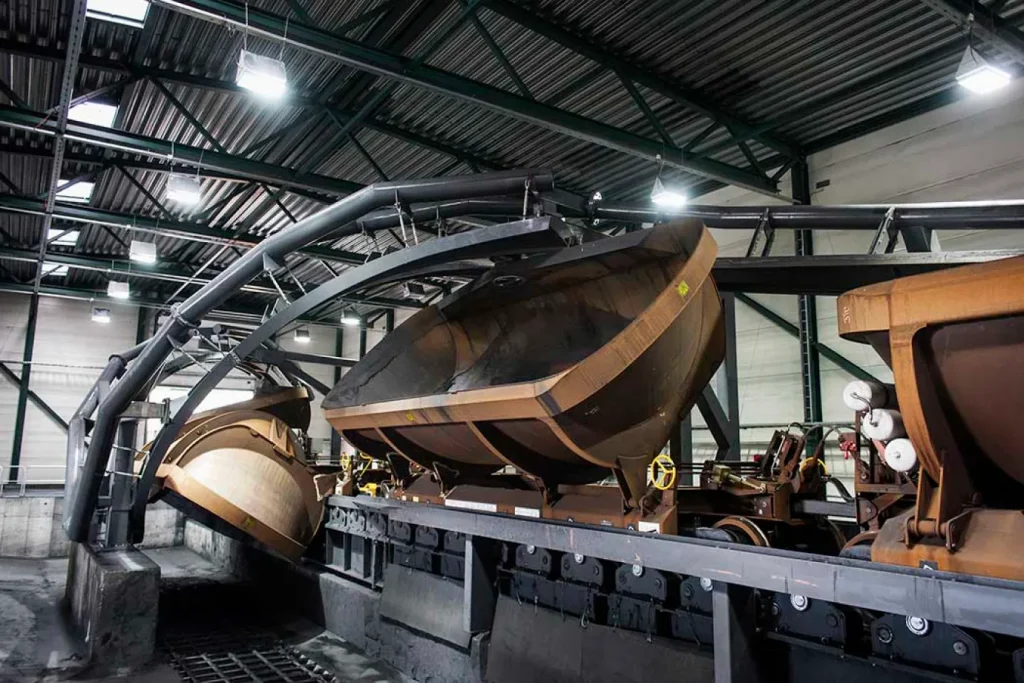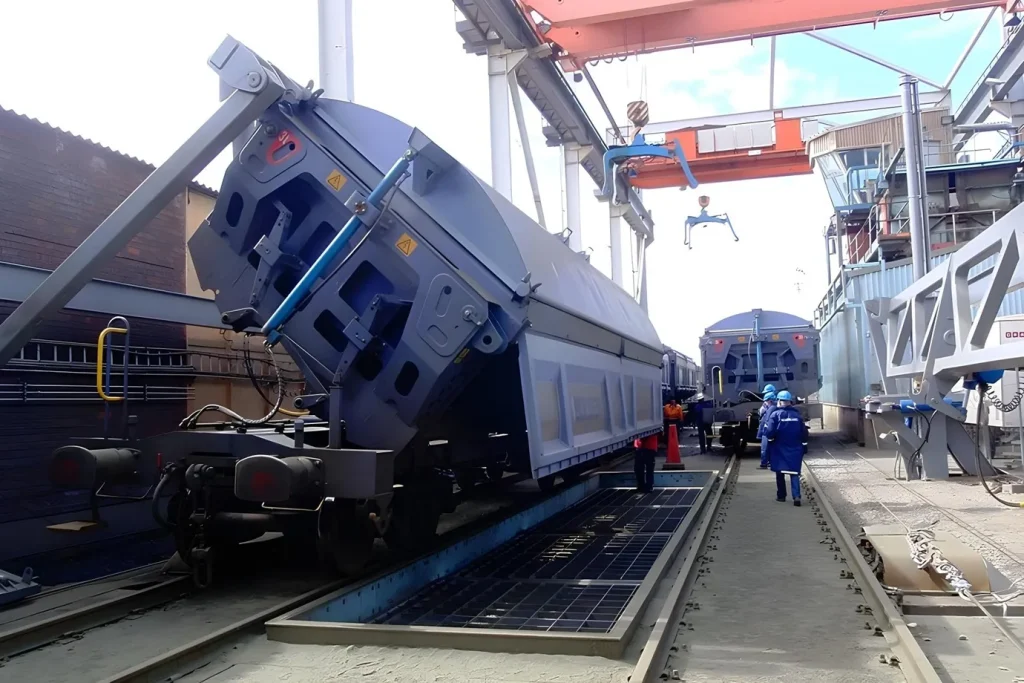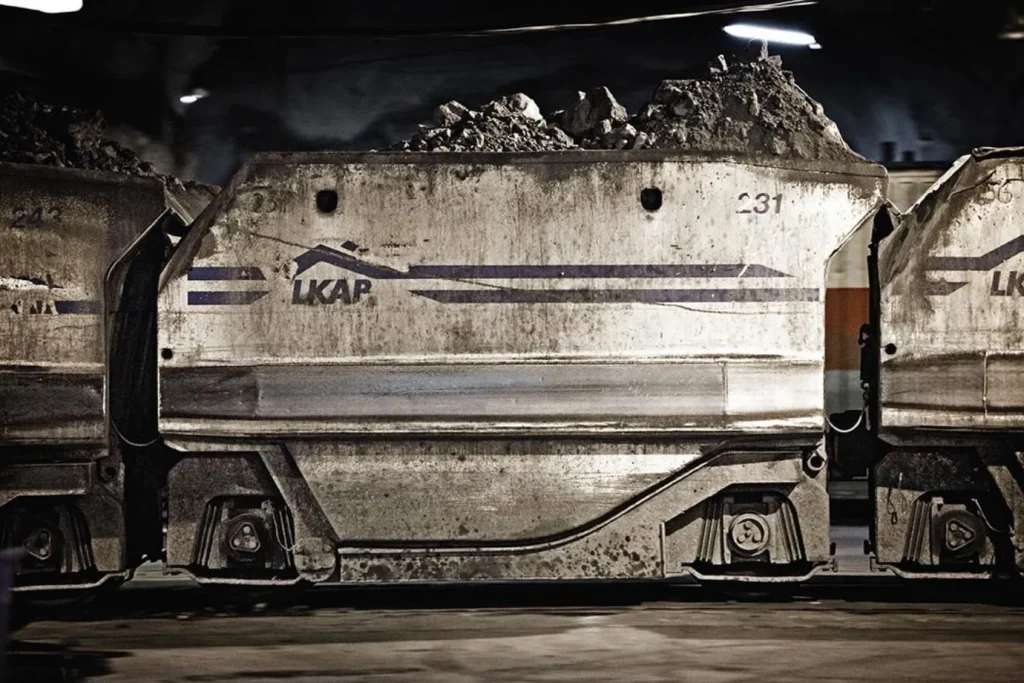

Railway shunting is an essential process that keeps railway networks running efficiently. The railroad shunting process allows individual railcars to be strategically sorted and reassembled into new trains with different cargo and destinations. This complex maneuvering of rolling stock is critical for consolidating freight shipments, distributing rail traffic, and enabling flexibility in railway operations. Without the reshuffling capabilities provided by rail shunting, railways would lack the agility required to handle changing cargo volumes and mix across different locations and routes. The ability to rearrange cargo groupings is also necessary to optimize load factors, balance weights, and comply with railway regulations. This indispensable operation allows rail systems to meet the needs of diverse shippers and passengers cost-effectively.
We will examine the role of shunting in railway and its process, including how incoming trains are received, uncoupled, and sorted wagon-by-wagon onto designated tracks in the yard. Next, we will overview the different types of shunting locomotives, including the switcher locomotive for sale, and other vehicles used to move railcars in yards. We will compare the features and applications of various shunter types.
We will then discuss the critical functions enabled by railway shunting. Sorting wagons allows freight to be consolidated and directed to different destinations. Shunting also permits the assembly of wagon groups based on cargo type, weight distribution, and destination. Additionally, we will explain how shunting facilitates maintenance activities during wagon downtime. The article will comprehensively explain why shunting is a mission-critical railway process.
What Is Shunting in Trains and Railway Transportation?
Rail shunting is the intricate process of sorting, organizing, and reconfiguring railcars to ready freight trains for departure. Unlike road freight transport, where a truck needs fuel and documents before leaving, extensive shunting operations are essential for assembling complete freight trains. Shunting begins when customers order railway freight wagons suited for their cargo and operational requirements.. These are supplied to loading points where goods are packed into the railcars. Once loaded, shunting facilities collect freight wagons from various origins and bring them to rail yard maintenance for organization, sorting, and train formation.
In these large shunting yards, individual wagons are strategically switched between tracks to sort and group them based on destination, rail route, cargo type, and weight distribution. The organized wagons are then coupled in a specific order to form complete outbound trains ready for transport. Yards have dedicated arrival and departure tracks to streamline shunting. Besides assembling departure trains, rail yard switching also disassembles incoming trains after arrival. The inbound train is decoupled on arrival tracks, and the cars are switched to appropriate sidings where they are stored until needed. When wagons are requested at their destinations, the railroad shunting process retrieves them from storage and organizes railcar delivery.
Further railway shunting can occur on route between the origin and final destination if cars need to be detached, added, or reorganized at intermediate stops. This allows cargo to be consolidated and connected through the rail network. Shunting may also rearrange train configurations to balance weight distribution or to isolate and remove defective wagons. Shunters or other types of railcar movers who operate track switches and signals facilitate the intricate coordination of individual railcar movements. Modern automation can assist, but trained staff remain crucial for managing complex rail logistics through shunting. With this flexible reorganization of rolling stock, operating an efficient freight railway is feasible.
The Importance of Railway Shunting for Transportation Networks

Railway shunting is a critical process that enables the efficient operation of railway systems. Railways need more flexibility and responsiveness to transport diverse cargo across complex networks without shunting. Railroad shunting provides the fundamental capability to reorganize wagons based on destination, cargo type, weight distribution, and other operational factors. This allows freight from multiple origins to be consolidated for transport in the same train. Similarly, inbound trains can be disassembled through shunting to distribute goods to their final destinations. Rail shunting also facilitates the optimization of load factors for cost efficiency and proper weight balancing in train assembly. Additionally, shunting allows defective cars to be isolated for maintenance. Railway maintenance teams may also use specialized vehicles such as a hi rail truck to access track areas and support maintenance and infrastructure operations. The ongoing sorting and re-configuring of wagons through shunting is integral to achieving fluid, optimized traffic flows across railway infrastructure. Networks would face severe operational constraints and avoid efficiencies without this mission-critical activity. Shunting rail cars provides flexibility for rail systems to meet changing transportation needs cost-effectively.
How Does Railway Shunting Work? The Process of Shunting Operations
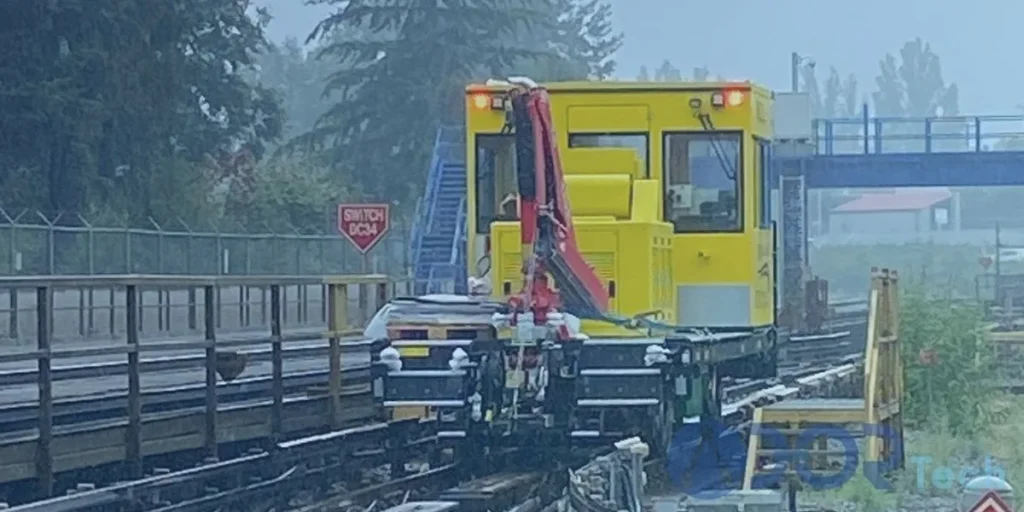
The railway shunting process begins when an incoming train arrives at a rail yard. The train is directed to a receiving track where the previous crew is replaced by shunting yard staff. If no single track is long enough, the train may be temporarily parked nearby until sufficient space opens up. The set of railcars entering a receiving track is called a “cut.” Especially when there are fewer receiving tracks than incoming trains, cuts may comprise convoys from multiple trains bundled together. Thoughtful assembly of cuts influences the efficiency of subsequent sorting.
Prepare and Inspecting Railcars
Once on a receiving track, railcars are inspected for defects before being prepared for decoupling. The incoming train’s locomotive and any specialty cars needing separate handling are detached. The shunting staff then determines the hump sequence for cutting the sorted cars to classification tracks.
Sorting Railcars in the Hump Yards
In hump yards, cuts are pushed up an incline known as a “hump.” At the crest, cars are decoupled, allowing them to roll freely downhill by gravity toward their assigned classification track. Switches route the cars while speed control devices like retarders or track collisions gradually slow them until they couple with other cars on the track.
Re-Sorting and Sequencing Railcars
The process of assigning cars to classification tracks is a core sorting function. If the desired outbound sequence is not achieved after the first pass, cuts can be sent over the hump again. Some yards have return tracks from classification to receiving tracks to re-hump subsets of cars. Cars can also be pulled from any track back to the hump by shunting engines if required. This hump-sort-thump cycle is repeated until the cars are correctly sequenced.
Assembling and Dispatching Outbound Trains
From classification tracks, switch engines pull assembled cars to departure tracks, forming them into complete outbound trains. Scheduling and movement of shunters is an essential logistical task. Final inspections occur before the road crew replaces yard staff and the finished train departs.
Optimizing Shunting Operations
While sorting and rearranging cars is the primary shunting activity, other key tasks impact efficiency. How cuts are assembled influences humping success. Proper assignment of inbound trains to receive tracks avoids congestion. Hump sequencing and speed controls affect sorting throughput. The scheduling and coordination of shunting engines and other railroad equipment for sale also determine operational fluidity and overall yard efficiency. While not the sole bottleneck, optimizing the complex sorting process is a central focus for efficient shunting operations.
The Role of Shunting in Railway: 5 Key Shunting Operations

By facilitating the customizable assembly of rolling stock into trains, shunting provides vital agility to railway operations. It allows freight transportation to remain responsive and efficient despite complex logistics and changing requirements across the rail network. The strategic sorting capabilities enabled by shunting are indispensable for viable freight railways.
Railway Shunting in Freight Consolidation
One of the most vital roles of rail shunting is enabling freight consolidation from multiple origins onto ordinary trains. The shunting process allows wagons loaded at different shipping points to be collected and strategically grouped at yards based on destination, route, and cargo type. Gathering disparate wagons into optimized trains allows efficient freight distribution across complex rail networks.
Rail Yard Switching for Inbound Train Disassembly
One of the most vital roles of rail shunting is enabling freight consolidation from multiple origins onto ordinary trains. The shunting process allows wagons loaded at different shipping points to be collected and strategically grouped at yards based on destination, route, and cargo type. Gathering disparate wagons into optimized trains allows efficient freight distribution across complex rail networks.
Rail Yard Switching for Inbound Train Disassembly
Railroad Shunting also facilitates the disassembly of inbound cargo trains. Mixed freight trains arriving at yards can be decoupled and sorted wagon-by-wagon, with cars switched to appropriate tracks. This enables freight in a common train to be distributed to different destinations upon arrival.
Shunting Rail Cars for Weight and Load Optimization
The ongoing reorganization of rolling stock provided by shunting permits optimization based on weight distribution, load factors, and stability. Shunting locomotive can sequence wagons to balance weight throughout the train length and group cars with compatible loads. This maximizes operational efficiency, safety, and equipment utilization.
Shunting Operations for Wagon Inspection and Maintenance
Shunting in railway additionally enables the isolation, inspection, and maintenance of defective wagons, while equipment such as a motorized rail system can support the transportation of railway machinery to construction and maintenance sites. Switching operations can remove cars with mechanical issues from service and redirect them to repair tracks. This allows maintenance workflows without impacting other rolling stock.
Railway Switching for Train Reconfiguration
The flexibility of shunting also permits changes to train configurations on route if needed. Cars can be detached, added, or reorganized at intermediate stops to adjust cargo groupings, weight balance, or defective car removal.
Shunting Rail Cars for Canada
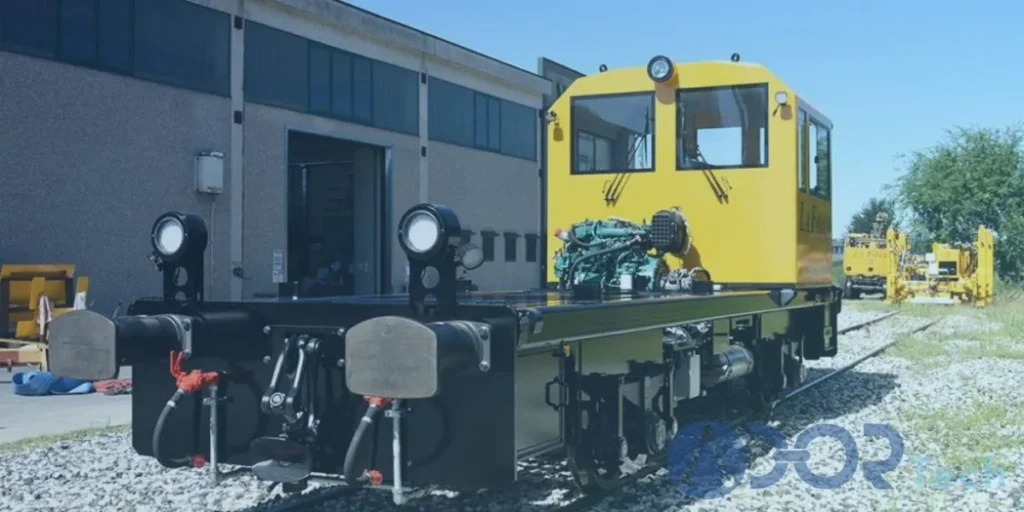
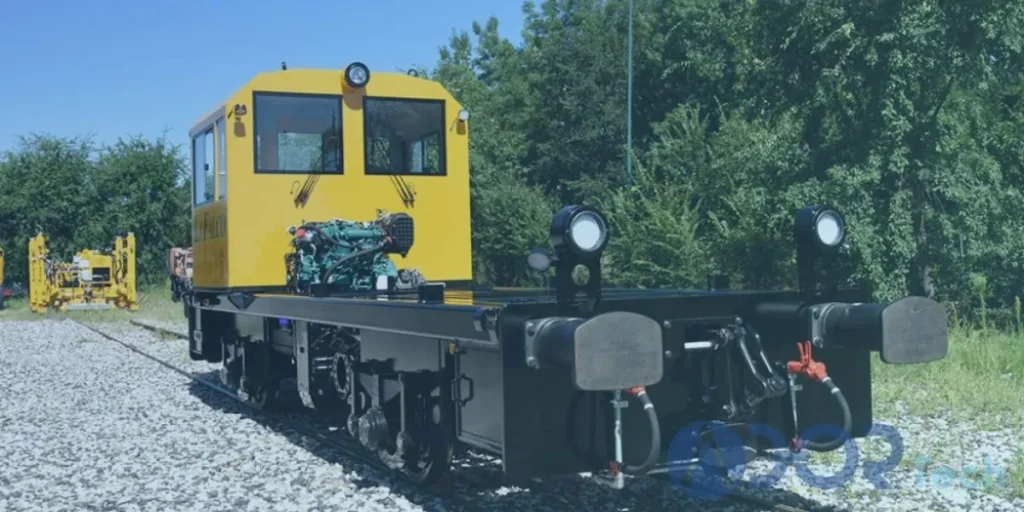
Switcher locomotive is available in multiple configurations to suit different operational needs, including specific requirements in Canada. They can feature a robust tubular frame designed for train incorporation with a large modular rear deck. A spacious cabin provides excellent visibility supported by front access terracing.
Hydrostatic transmission with Dynamic Torque Control enables smooth acceleration. Master-slave modes allow remote control of multiple shunters from one cab. An independent double-drive system can engage the inner and outer axles separately or together.
Conclusion
Railway shunting is a multifaceted process critical for enabling efficient freight transportation and operations on railway networks. As discussed throughout this article, the ongoing sorting, switching, and re-configuring of railcars provides vital capabilities that would otherwise be impossible.
The rail shunting procedures allow disparate wagons from diverse origins to be intelligently consolidated at yards into optimized trains bound for common destinations. This traffic aggregation enables economical long-haul freight distribution across the rail system. In the reverse direction, incoming trains can break down via rail shunting to distribute goods to their final delivery points.
Additionally, railroad shunting facilities provide a mechanism for continuously monitoring and managing rolling stock. Defective cars can be isolated, repaired and returned to service. The condition and maintenance needs of wagons can be addressed during shunting downtime. Shunting also allows dynamic adaptation of train configurations to balance loads and address operational changes.
Both railway shunting and railroad switching deliver the same meaning, but they differ in the region’s terminology. Railway shunting is more international while railroad switching is more common in North America.
The equipment used for railway shunting is called shunting locomotive, also known as railway shunter or switcher locomotive.