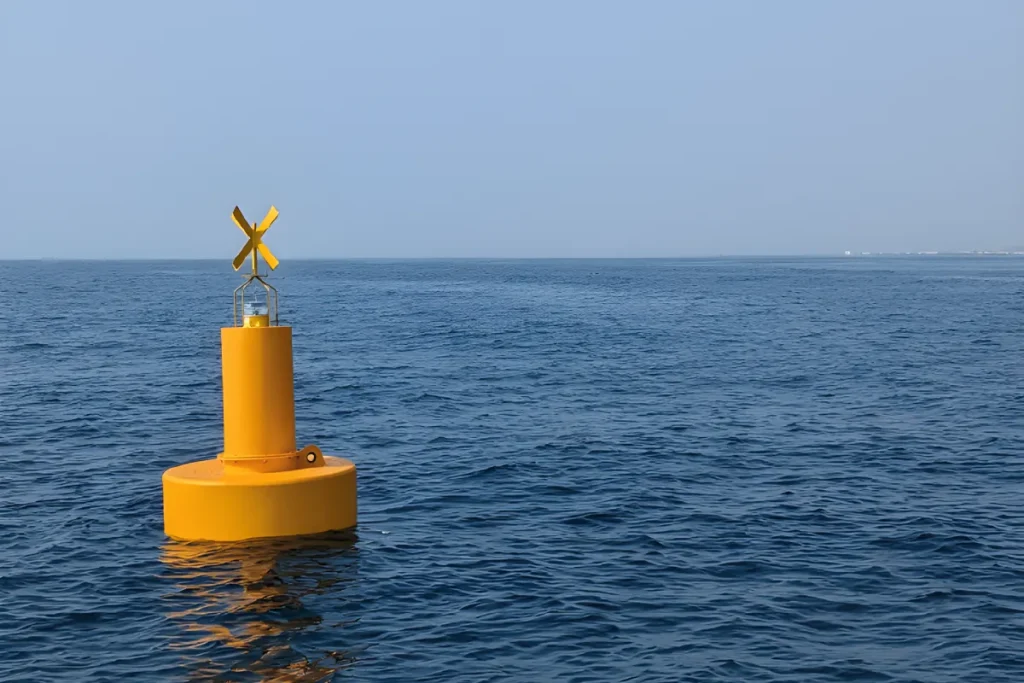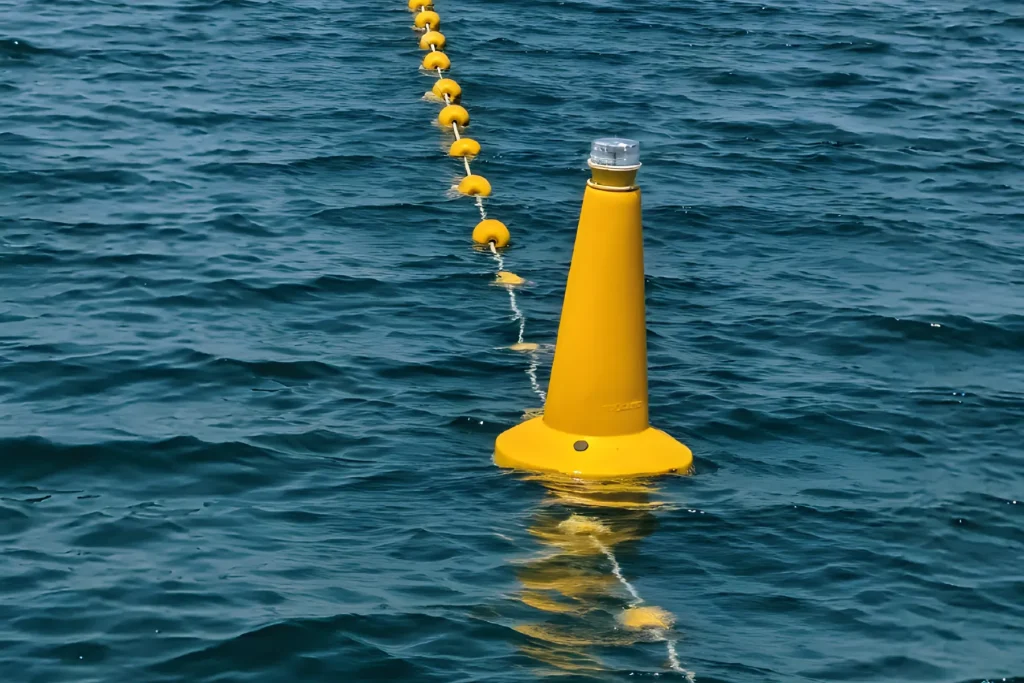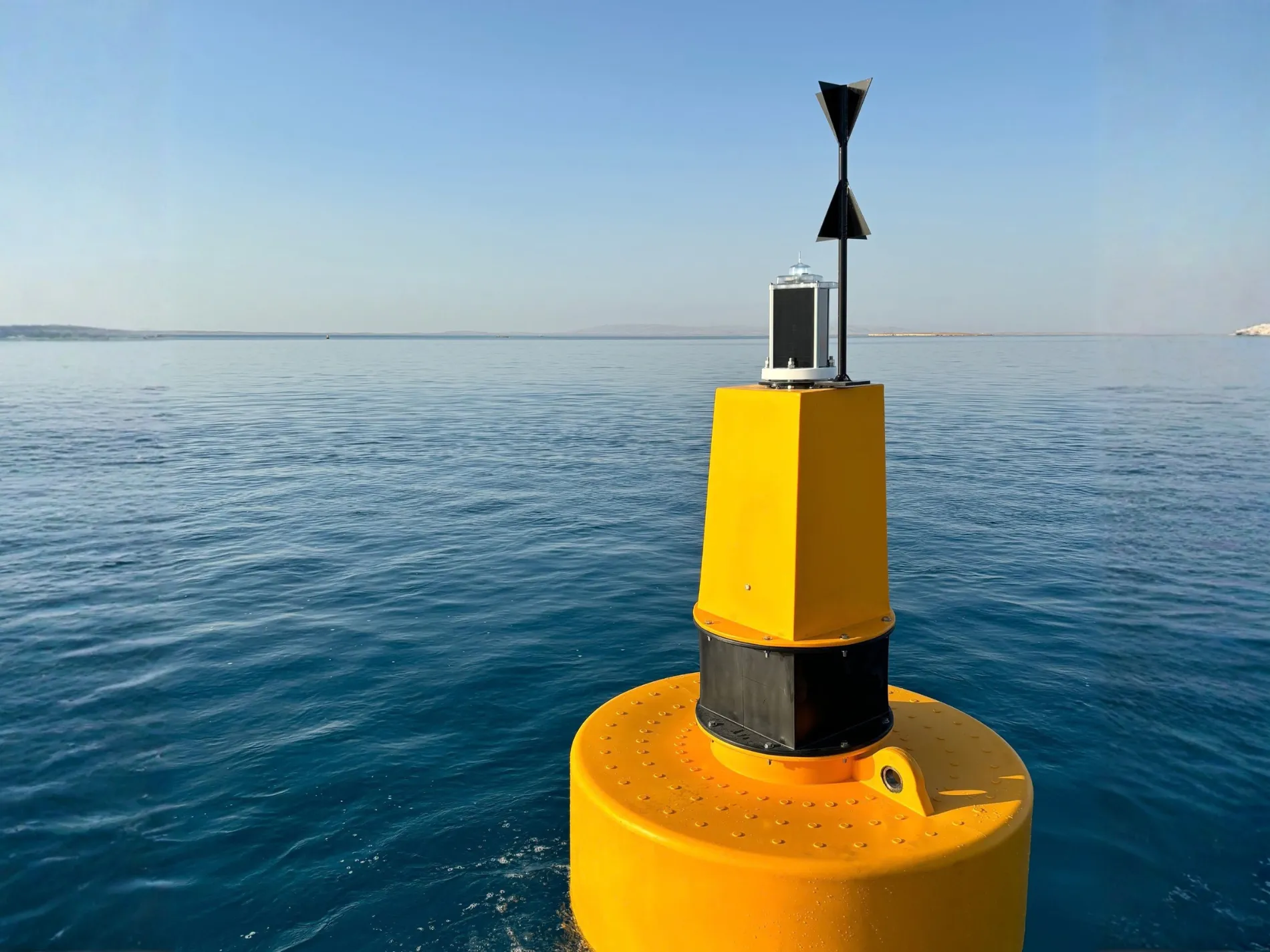
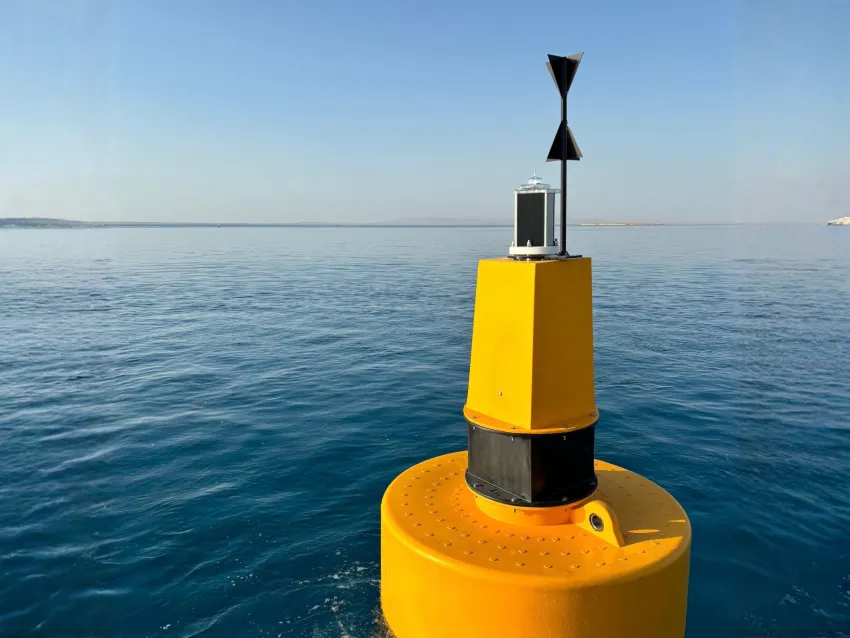
Cardinal buoy is a type of navigation buoy that indicates the compass directions of North, East, South, and West to the mariners, guiding them to navigate in safe routes. Built to withstand harsh weather and tidal forces, floating navigation buoy is engineered for exceptional buoyancy, visibility, and durability.
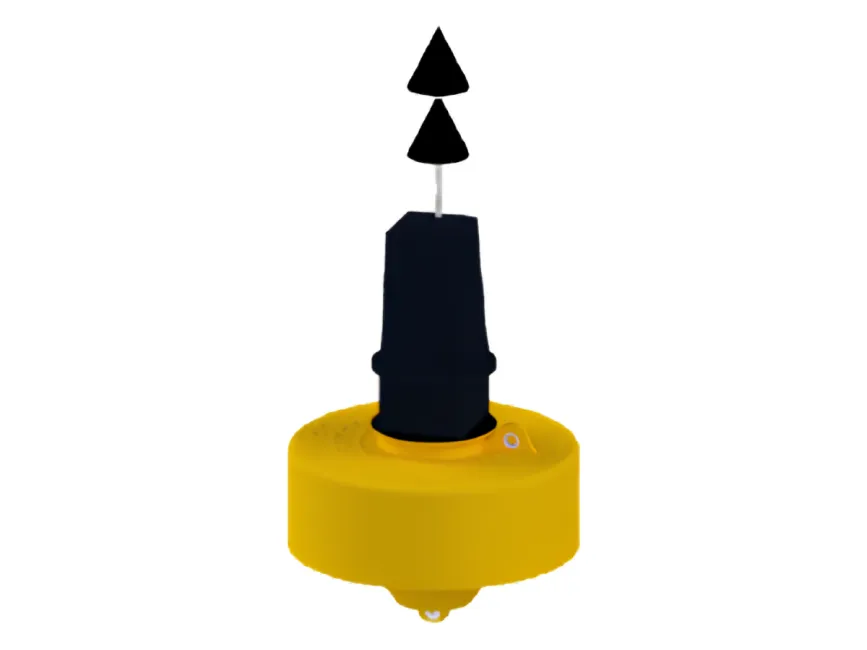
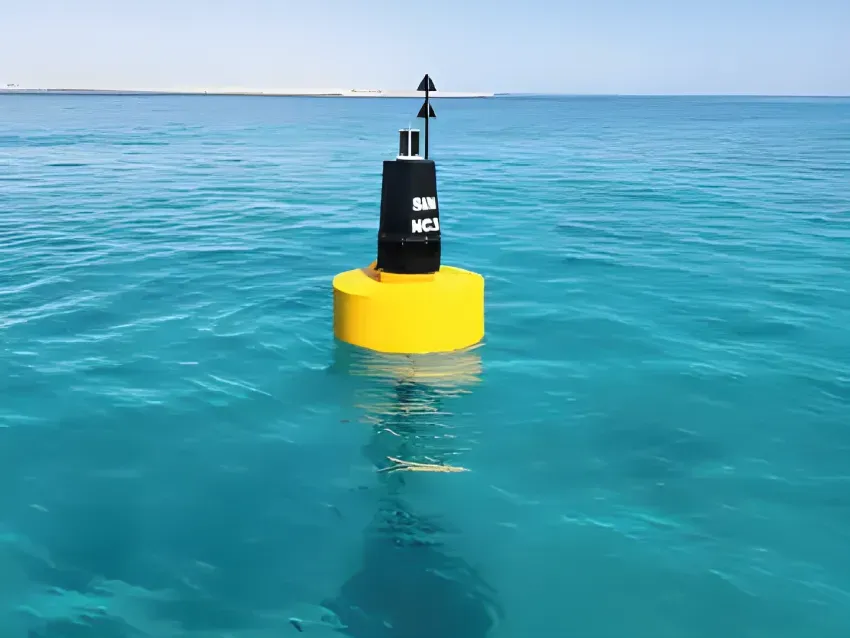
Marking the North direction.
• Upward Top Mark
• Black Top
• Yellow Bottom
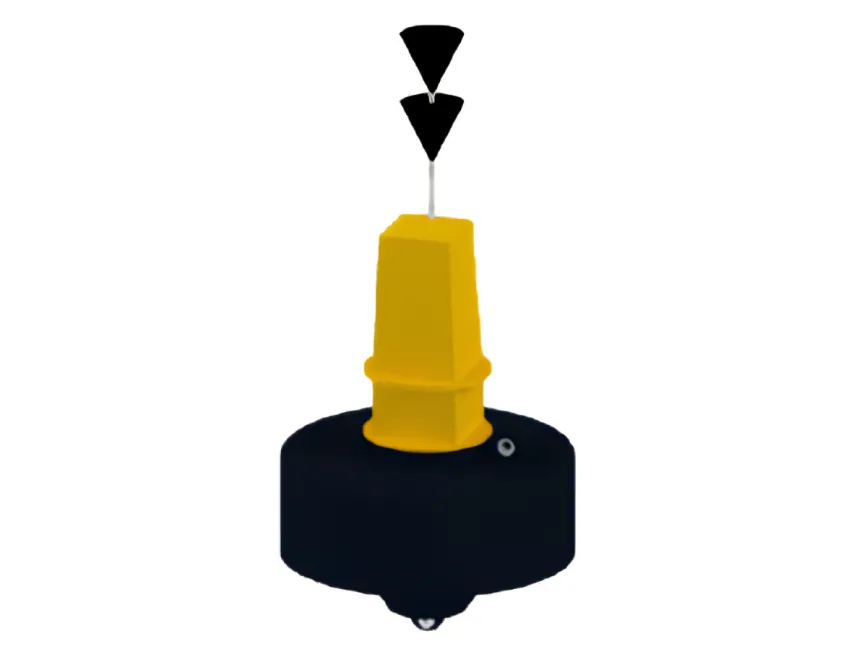
Marking the South direction.
• Downward Top Mark
• Yellow Top
• Black Bottom
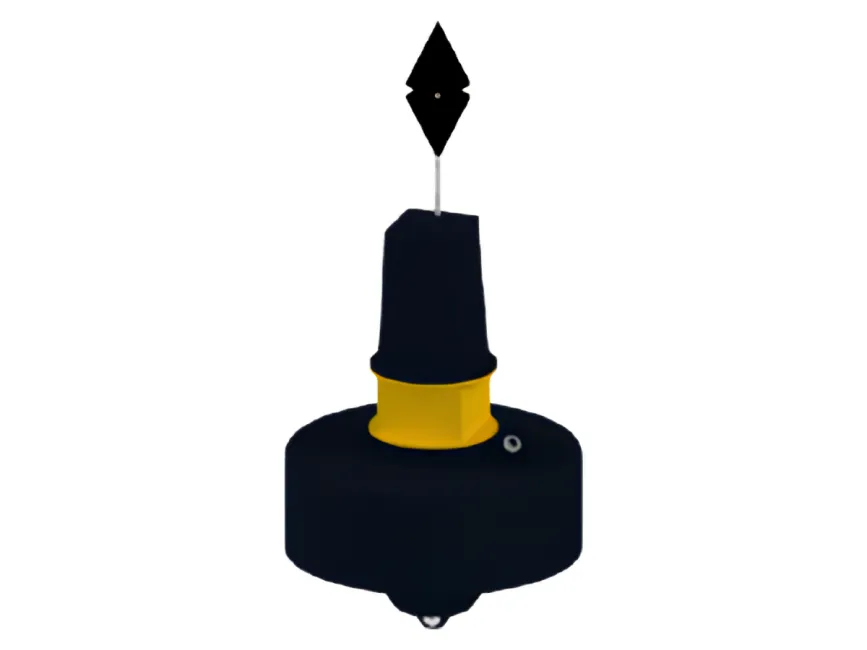
Marking the East direction.
• Outward Top Marl
• Black Top & Bottom
• Yellow Middle Line
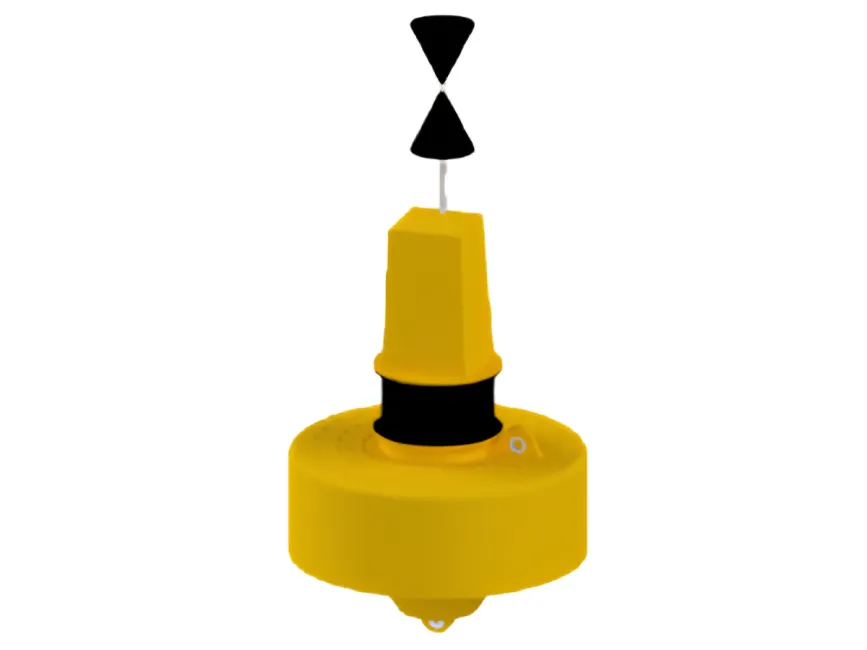
Marking the West direction.
• Inward Top Mark
• Yellow Top & Bottom
• Black Middle Line
Our partnerships include companies specializing in marine barriers for environmental, safety, and security purposes. Together, we are committed to setting new standards in the railway and marine industries, driving progress, and delivering exceptional value to our customers.
No, cardinal buoys deliver the same meaning worldwide.
They may mark rocks, reefs, shoals, wrecks, shallow water or other navigational dangers.
Not always. It indicates the safe side on which to pass. Mariners should use an updated nautical chart to determine the hazard’s exact position and extent.
The named side indicates the recommended safe water. Passing on another side may bring the vessel closer to danger and should only be considered with reliable chart information and sufficient local knowledge.
Cardinal buoy is a floating marine buoy that mainly used to indicate compass directions (North, South, East, and West) to the mariners. Based on International Association of Marine Aids to Navigation and Lighthouse Authorities (IALA), they are designed in yellow and black colors but in different patterns for each direction. A buoy with black top and yellow bottom indicates North while a buoy with yellow top and black bottom indicates South. A black buoy with yellow in the middle shows East while a yellow buoy with black in the middle shows West. However, cardinal buoys can also be read through their top marks. Two upward black cones indicate North while two downward black cones indicate South. Two inward black cones stand for West while two outward black cones stand for East.
Like other types of navigation buoys, cardinal buoys are often equipped with lights and other accessories to provide more visibility in low-visible conditions, such as nights and extreme weather conditions. Continuous quick or very quick flashes indicate North direction. When the light pattern of a cardinal buoy is three quick flashes every 10 or three very quick flashes every 5 seconds, it means that the buoy shows East direction. If the buoy light pattern is six quick flashes every 10 seconds or very quick flashes every 15 seconds, the buoy indicates South. Nine quick flashes every 10 seconds or very quick flashes every 15 seconds, on the other hand, shows West.
For better understanding, the cardinal buoy light characteristics is like a clock: North is 12 in a clock and it appears as continuous quick flashes; East is 3 in a clock and it appears as 3 quick flashes; South is 6 in a clock and it appears as 6 quick flashes; and West is 9 in a clock and appears as 9 quick flashes.
As cardinal buoys explained above, they are effectively used to indicate the directions of North, South, East, and West to ensure safe navigation. When a cardinal buoy shows North, the vessel should pass north of it. When it shows South, the vessel should pass south of the buoy. If the buoy shows East, it signals the vessel passes east of the buoy and if the buoy indicates West, it means that the vessel should pass west of it. In other words, the cardinal buoys show the safe navigation route to the mariners.
Mariners must understand cardinal buoy meaning to identify the safe routes for navigation. Therefore, cardinal buoys are used to mark the hazards, signaling where should be navigated. For instance, when you see a cardinal buoy that indicates West direction, you should know that passing west of the buoy is the safest route for navigation, and there may be a rock, reef, or wreck around.
Cardinal buoys mark the hazards and indicate the safe navigation route while lateral buoys indicate the sides of a channel and isolated danger marks are used to show small, isolated hazards. For better understanding, let’s dive into it deeper. Cardinal buoys guide you on where to navigate signaling through the compass directions of North, East, South, and West. Lateral buoys are just used to mark the port and starboard sides in a channel. Isolated danger mark, on the other hand, warn that there is a danger directly beneath or very close to the mark that may not be visible.
Moreover, these marine buoys differ based on their characteristics. Cardinal buoys are designed in yellow and black color with crone top marks. Lateral buoys are colored differently in IALA region A and B: in region A, red buoys mark the port side, and green buoys mark the starboard side while in region B, green buoys mark the port side, and red buoys mark the starboard side. Isolated danger mark is designed in black with a horizontal red band in the middle and two black sphere top marks.