
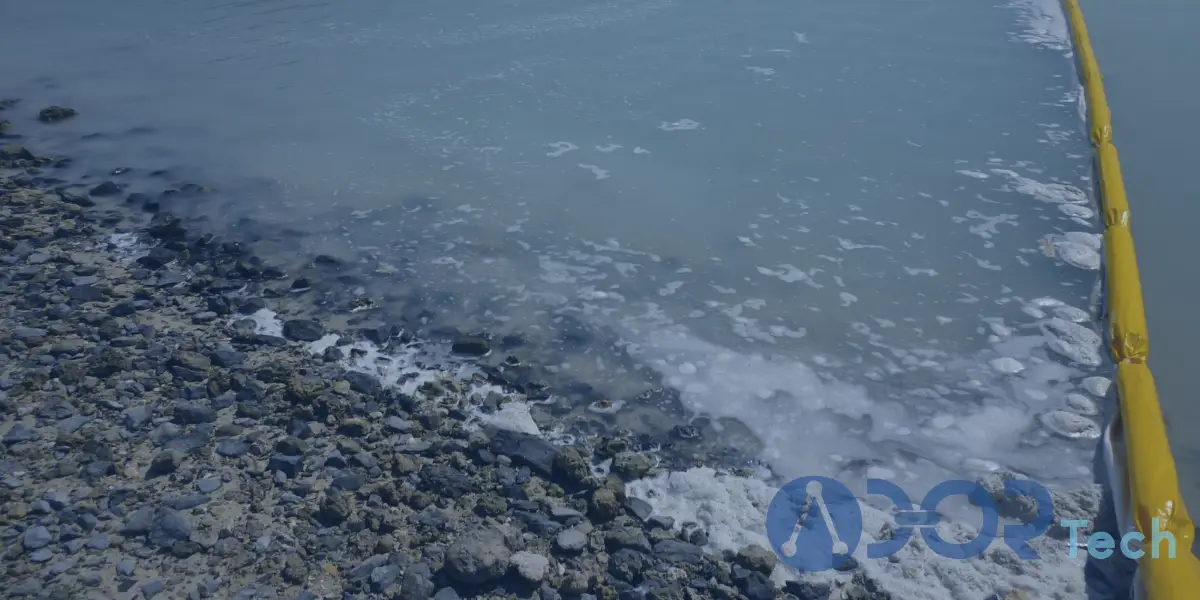
Turbidity curtain removal standards differ worldwide depending on the countries or states’ government regulations. Since turbidity curtains play an important role in sediment control and marine environmental protection, understanding when to remove a turbidity curtain is a critical matter. In this blog post, we will comprehensively learn about the regulations and standards of floating turbidity curtain removal in Canada, discuss about the conditions that should be met before silt curtain removal, what is the best time or period for removing a turbidity curtain, and a step-by-step guide on how to remove a turbidity curtain in details.
When Should a Turbidity Curtain Be Removed?

Turbidity curtain removal should be considered once the marine construction or dredging project is completed and suspended sediments have settled sufficiently to avoid being remobilized during removal. If turbidity curtains are removed too early, accumulated sediments are released into the surrounding water or the sediments may not be settled completely yet, and early removal may remobilize them. In addition, it may create regulatory or contractual non-compliance. However, leaving a turbidity curtain in place too long and postponing its removal can significantly increase the risk of failure, extend maintenance and inspection obligations, delay restoration and contract completion, or even create a contract deficiency.
In Canada, the best time for floating turbidity curtain removal is when:
- The barrier is no longer required for sediment control and in-water work is completed.
- The removal time specified in the contract documents has been reached.
- Permanent erosion protection or vegetative cover in the controlled area has been installed and established.
- Accumulated sediment has been removed immediately before removing the curtain, without allowing it to escape downstream.
- Suspended sediments have completely settled.
- Any applicable fisheries timing window, permit condition or environmental authorization allows the removal work.
Turbidity Curtain Removal Timing: 6-12-Hour, 48-Hour, or 72-Hour?

Actually, Canadian requirements for turbidity curtain removal are condition-based. In other words, removal time defined in the project’s contract, permit, or environmental monitoring plan are the factors that determine when to remove a turbidity curtain. But let’s clarify where the 6-12-hour, 48-hour, and 72-hour waiting periods come from. The 6-12-hour is mostly seen in the United States manufacturer guidance, which recommends allowing suspended sediment to settle for at least 6–12 hours after completing the work and then consider silt curtain removal.
48-hour waiting is not related to the United States or Canada standards. It actually refers to Indiana Department of Transportation, which offer contractors to wait 48 hours after site stabilization before removing a temporary turbidity curtain. However, the 48-hour waiting period is rarely applied in Canada, only when it is expressly included in the project’s contract. The “remove within 72 hours” statement also appears in commercial guidance rather than the Canadian standards. It is presented as a deadline after the water inside the turbidity curtain has reached acceptable clarity, and it doesn’t mean the curtain must remain in place for only 72 hours.
Why the Project Permit Always Takes Priority in Canada?

In Canada, federal and provincial laws take priority over everything else. After that, the permit or authorization are the priority rather than general guidance and standards of floating turbidity curtain removal because it contains legally binding, site-specific conditions. A permit typically establishes requirements, including:
- A minimum settling period
- Turbidity or total suspended solids limits
- Upstream and downstream monitoring locations
- Required sampling frequency
- Approval from an environmental monitor before removal
- Fisheries timing windows
- Fish-rescue requirements
- Sediment and debris-removal procedures
- Notification and reporting requirements
- A specific turbidity curtain removal deadline
How To Test Turbidity Before Floating Turbidity Curtain Removal?
Testing turbidity before floating turbidity curtain removal is necessary to ensure that suspended sediment has settled and removing the skirt, ballast and anchors do not cause releasing sediment plume into the surrounding water. There are different methods that significantly provide an insight into understanding the right time of testing turbidity:
Comparing Water Inside and Outside the Containment Area
To compare water inside and outside of the floating barrier containment area, you should take readings from inside the curtain and outside of it, where the water is unaffected by sediment pollution. The readings should be taken from different locations to make sure the result’s accuracy. If the readings of inside and outside of the containment area are not the same, it means that the sediments are not settled completely yet and turbidity curtain removal is not allowed. But similar readings, on the other hand, can indicate that settling is substantially complete. In cases where wind, waves, rainfall, current or tide changes have occurred during testing, the test should be repeated.
Use NTU Measurements When Required
Nephelometric Turbidity Unit (NTU) is an optical measure of water cloudiness, not a direct measure of sediment concentration. If a project permit, contract or environmental monitoring plan specifies a turbidity limit, NTU measurements should be used to confirm that suspended sediment has settled before the curtain is removed. Canadian water-quality guidelines recommend limiting turbidity increases in clear water to 8 NTU above background for short-term exposure and an average of 2 NTU above background for longer-term exposure.
Should Accumulated Sediment Be Removed First Before Silt Curtain Removal?
When the time of turbidity removal comes up, the accumulated sediments should be removed first. The enclosed area should also be cleared of construction debris before removal begins, whether debris boom removal or silt curtain removal. Sediment and debris must be transferred to an approved location where they cannot wash or fall back into the waterbody. Moreover, it should be considered to avoid disturbing the bed or creating another plume of suspended sediment.
How To Perform Turbidity Curtain Removal Safely?
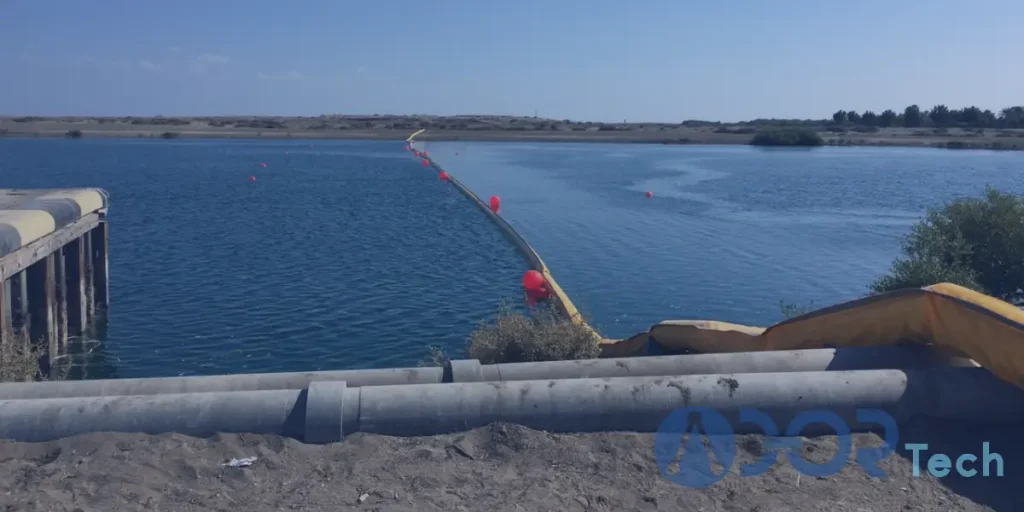
Silt curtain removal is as critical as its installation and if it fails, sediments deposit outside the marine construction or dredging area, fish habitat is damaged, cleanup costs are incurred, and contractual or regulatory actions are disrupted. To safely remove environmental booms like turbidity curtain, following steps might be helpful:
- Removing accumulated sediments or debris
- Preparing a contained recovery area, like a stable shoreline location
- Releasing the turbidity curtain progressively
- Raising the skirt
- Recovering and storing the turbidity curtain (if it is reusable)
- Remove all the components, like anchors, buoys, chains, etc.
Conclusion
Turbidity curtains are one of the main sediment control solutions for marine construction and dredging projects worldwide. Turbidity curtain removal has been always a critical matter that is challenging in most projects. It must be considered that when should a turbidity curtain be removed to ensure all the project’s regulations and contract standards are met and the role of turbidity curtain is over there. The best for floating turbidity curtain removal is typically when the sediments are settled completely and the construction or dredging works are done. However, this blog post provides a comprehensive insight into the Canada regulations and standards for silt curtain removal and what every contractor needs to know about this matter.
FAQs
Is An Environmental Professional Required During Removal?
Not necessarily. However, a permit, contract or environmental protection plan may require monitoring or supervision by a qualified environmental professional.
Can a Removed Turbidity Curtain Be Reused?
It depends on the turbidity curtain designs and materials. The reusable barriers can be stored and reused when required.
Where Should a Used Turbidity Curtain Be Cleaned?
Cleaning should occur in a contained location where sediment and wash water can be collected and cannot flow back into a waterbody, storm sewer or environmentally sensitive area.