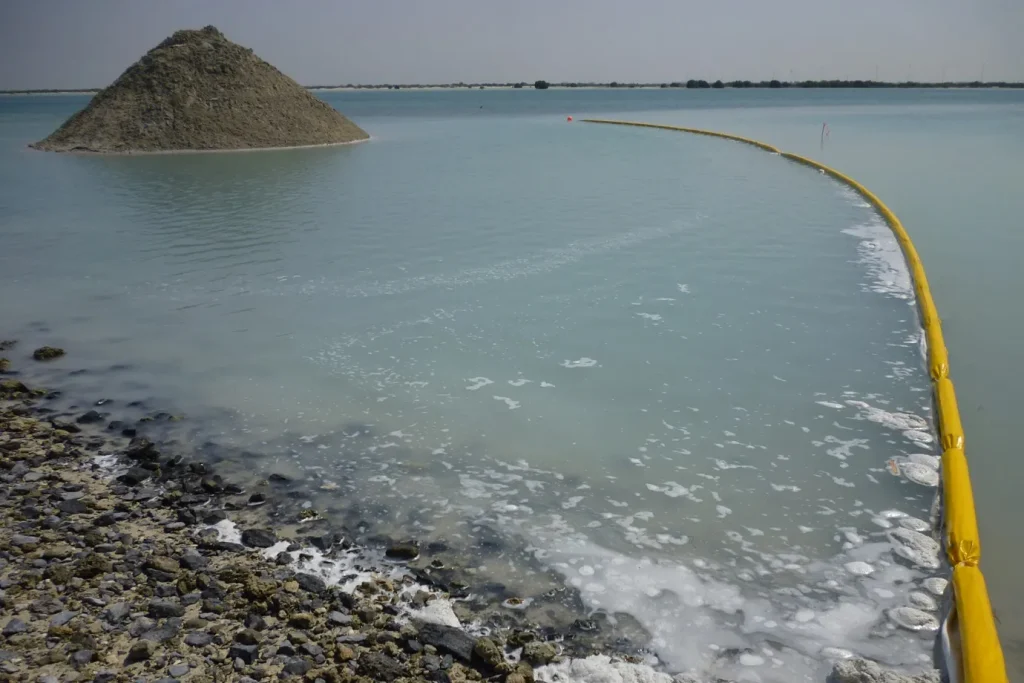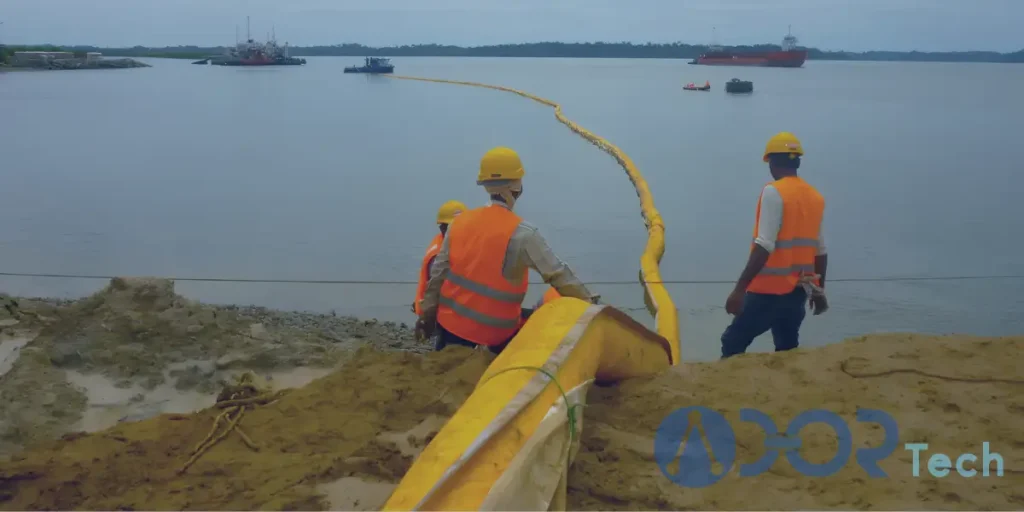
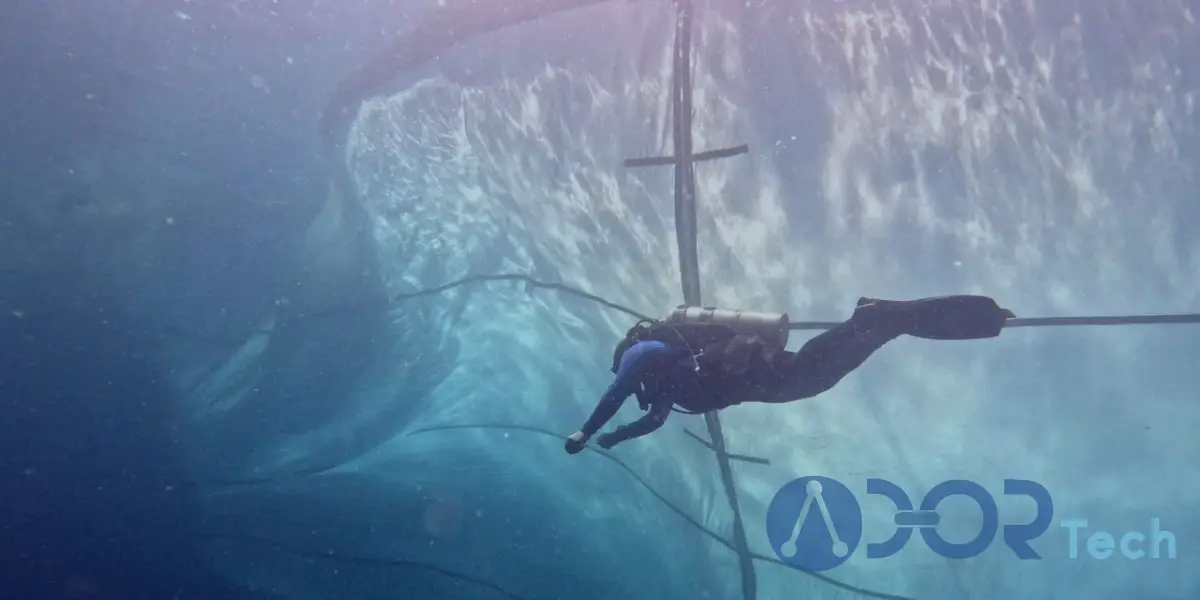
The turbidity curtain depth depends on various factors, including velocity and direction of currents flow, water depth, water level variation, wind speed and direction, and wave height. However, the curtain of turbidity barriers should be deployed approximately 1-2 feet above the seabed. It has typically seemed the more turbidity curtain depth be, it is more effective and efficient. But technically it is not true. The excessive turbidity curtain skirt depth can cause the curtain to be unstable. Here we will talk about the concept of depth in turbidity curtains, how to calculate effective depth step-by-step, and the factors that should be considered when it comes to silt curtain depth to avoid the costly sizing mistakes.
What Does Turbidity Curtain Depth Mean?
To understand how deep should a turbidity curtain be and how environmental factors and site conditions can affect the turbidity curtain skirt depth, we should proceed with the term “depth”. As you might know, turbidity curtains, also known as silt curtains, are the barriers with float units and a curtain or skirt underneath to contain sediments, silts, and turbidity derived from marine construction and dredging projects and preventing them from spreading out. The term “depth” here refers to the vertical distance from the water surface where the float units sit to the weighted lower edge of the turbidity curtain skirt.
Nominal depth Vs Effective Depth

Turbidity curtain depth can be measured in two ways. The first way is called “Nominal Depth”, which refers to the manufactured length of the curtain from the flotation section to the ballast chain. The second way is “Effective Depth”, which is the vertical depth reached during operation. In other words, environmental factors such as currents, waves, and water pressure cause the turbidity curtain skirt to deflect or billow, which is referred to as effective depth. So, the actual depth that can affect the turbidity curtain efficiency and performance in sediment control is effective depth.
How Deep Should a Turbidity Curtain Be? Step-By-Step Calculation
he most determining concept in how deep should a silt curtain be is the effective depth, which is affected by various factors. These factors include environmental and water conditions, site specifications, design, and the turbidity curtain installation. Here we provide you with a step-by-step guide on how to calculate the effective depth of turbidity curtain to ensure maximum efficiency and performance in sediment control:
Step 1: Issues Identification
Before calculating how deep should a turbidity curtain be, it is necessary to identify the challenges and issues that the project is faced with. Identifying marine construction or dredging areas, the potential sources of sediment plumes, and sensitive areas are the most critical matters that lead to understanding the main issues and challenges of the project.
Step 2: Site Evaluation
Proper site evaluation provides a better insight into what the project needs. Water depth, water level range (highest and lowest), tide depth range (highest and lowest), current speed and direction, wave height and exposure, wind speed, and also seabed profile are the most significant factors that should be evaluated for calculating the effective silt curtain depth.
Step 3: Design and Type Assessment
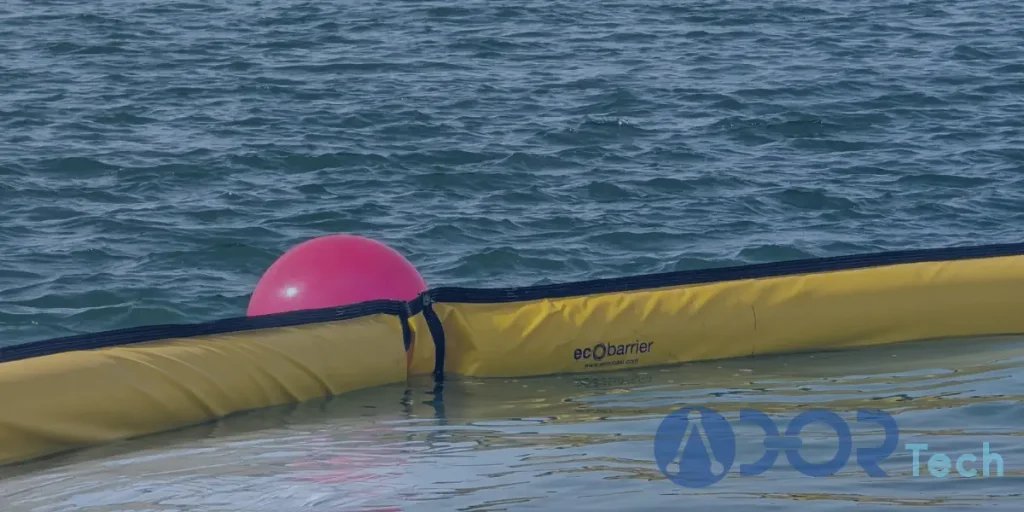
Site condition is not the only factor that the effective depth depends on. The design and type of turbidity curtain play a crucial role in proper effective turbidity curtain depth. Two curtains with the same nominal depth can have different effective depths if their designs differ. The most important factors in turbidity design are as follows:
- Ballast chain weight and distribution
- Fabric permeability
- Skirt flexibility
- Anchor chain weight, capacity, and spacing
- Anchor block weight
- Curtain orientation
Step 4: Curtain’s Deploy Shape Determination
After evaluating site conditions and finalizing the proper design and type of the turbidity curtain, it turns to determine the shape of the curtain deployment. The curtain of the turbidity barrier should certainly not deploy 90° vertical. Based on the site conditions and design finalization, it may be required to deploy the curtain vertically disposed to ensure maximum efficiency.
Step 5: Effective Depth Verification
When the turbidity curtain is installed, its performance should be assessed to make sure that the effective depth is calculated properly. Otherwise, the turbidity curtain can be removed and redesigned or reinstalled in the proper way to provide the expected operation.
Should a Turbidity Curtain Touch the Bottom?
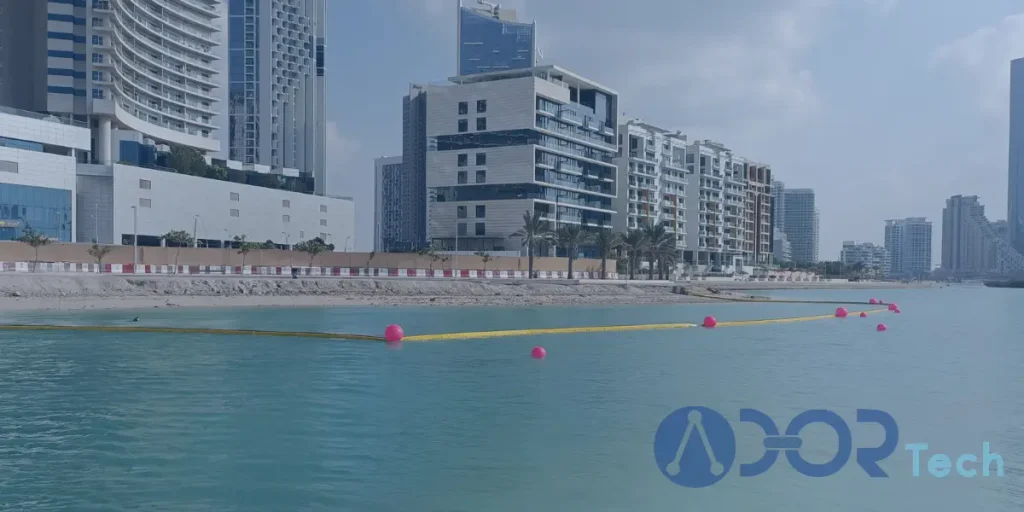
Technically, the curtain of the turbidity barrier should be deployed 1-2 feet above the seabed. However, it widely depends on the water depth. For shallow or calm waters where current and wave actions are negligible, full-depth installation can be efficient. But in waters with moderate to high currents and waves, a distance between curtain’s bottom and seabed should be observed. If the curtain touches the seabed in these areas, accumulated sediment can bury the skirt or pull the curtain underwater.
What Happens If Silt Curtain Depth Is Too Deep or Shallow?
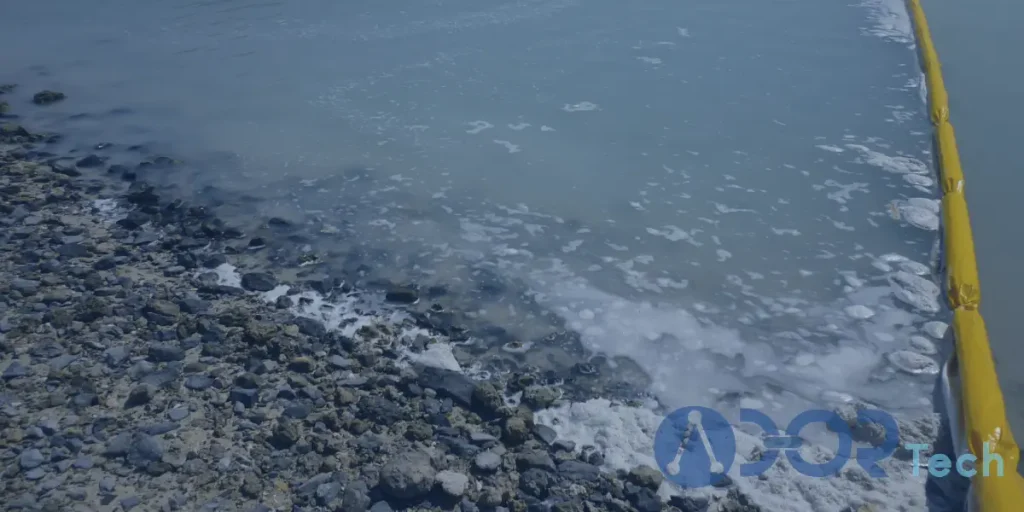
Before seeing what happens if the silt curtain depth is too deep or shallow, let’s define what does deep or shallow mean in this context. A turbidity curtain is too deep when its skirt creates insufficient bottom clearance or excessive hydraulic loading. Shallow turbidity curtain also refers to when its skirt does not extend far enough into the water column to control the sediment plume. Whether too deep or too shallow, both of these conditions can reduce performance and cause the project to exceed turbidity limits.
A deep curtain touches seabed and exposes more fabric to current, increasing the force transferred to the flotation, connectors, tension cables, anchors and mooring lines. Therefore, it can easily lead the turbidity curtain to failures. Moreover, when the curtain is too deep, it means more materials are used and it costs so much. However, a shallow curtain leaves an excessive opening beneath the ballast chain. Sediment-laden water can pass under the skirt before enough suspended material has settled.
Conclusion
In summary, understanding how deep should a turbidity curtain be depends on various factors. Site conditions such as water depth, water level, current speed and direction, wave height and exposure, wind speed, and seabed profile are among the most critical factors that directly affect the turbidity curtain depth. Too deep or shallow turbidity curtain skirt depth not only led the barrier to failure but also incur extreme costs for the project. Therefore, it is required to calculate how deep should a silt curtain be properly and how it should be deployed or designed to meet maximum efficiency and performance as well.
FAQs
What Determines the Correct Silt Curtain Depth?
Site conditions like water depth, water level, wave direction and exposure, current speed and direction, and wind speed.
Does Curtain Type Determine Its Depth?
No. Types of turbidity curtains differ based on their float size, fabric strength, ballast and anchor chain weight. The turbidity curtain is adjustable depending on the site requirements.
How Often Should Curtain Depth Be Checked?
Silt curtain depth should be regularly checked after installation, during representative current conditions and after storms, strong tides or heavy vessel wakes.