Types of navigation buoys play an important role in maritime safety, acting as silent sentinels guiding vessels through the intricacies of global waterways. Such floating signs are much more than tools, for by showing the way, they facilitate safe navigation and protect human life and the environment from accidents. Navigation buoys meaning indicates the safest routes, potential hazards, and designated areas; therefore, they play a significant role in the everyday running of transport, fishing, and recreational boats. 

In this blog post, we will examine the area represented by navigation buoys, the many existing types, and what each one does. We will dissect them from the best-known systems, such as the lateral buoys that allow navigation via safe waterways inside a channel, to the most specialized ones that identify areas with danger or environmental protection zones.Ā 

What are navigation buoys?

What are navigation buoys?

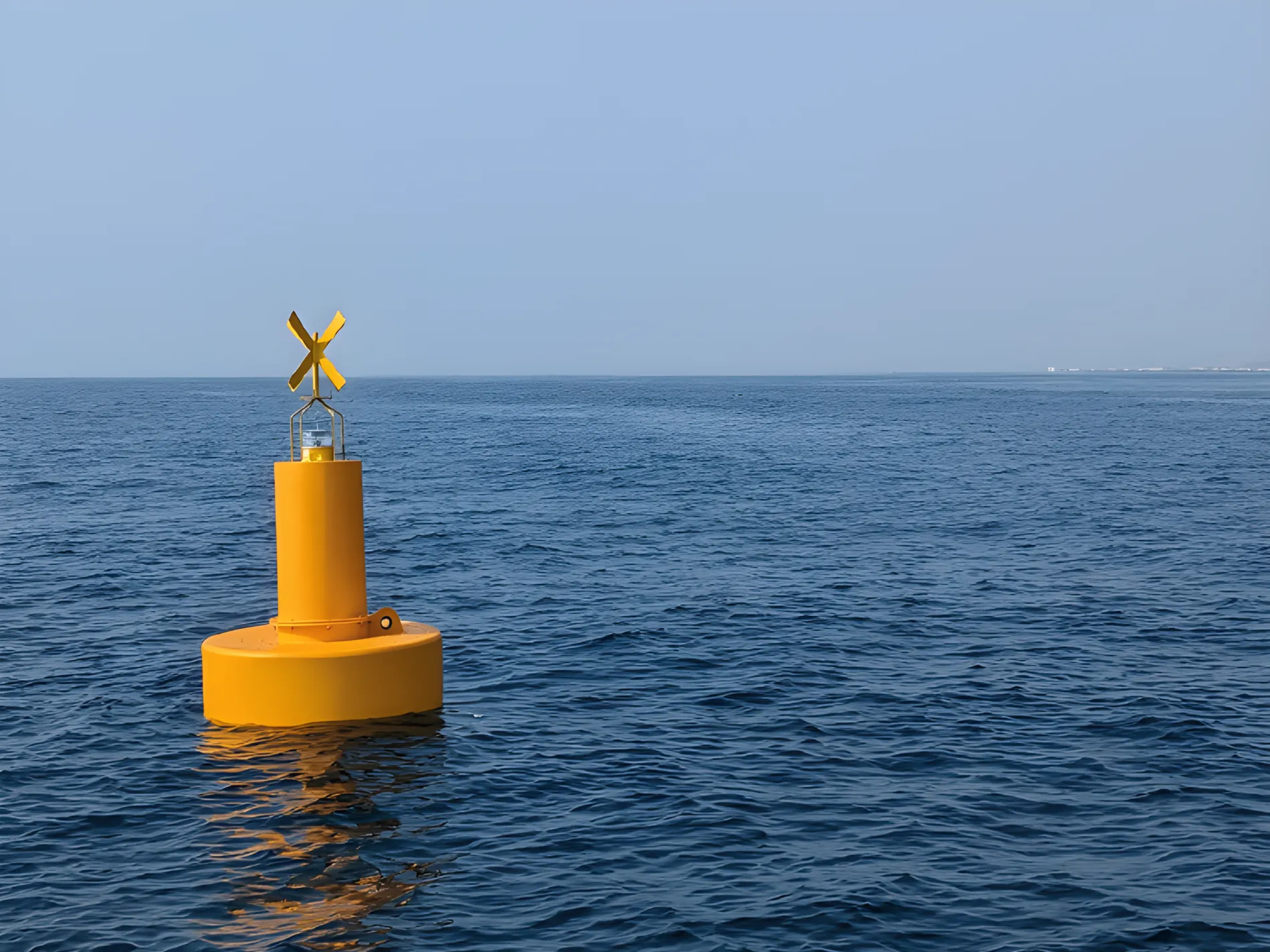
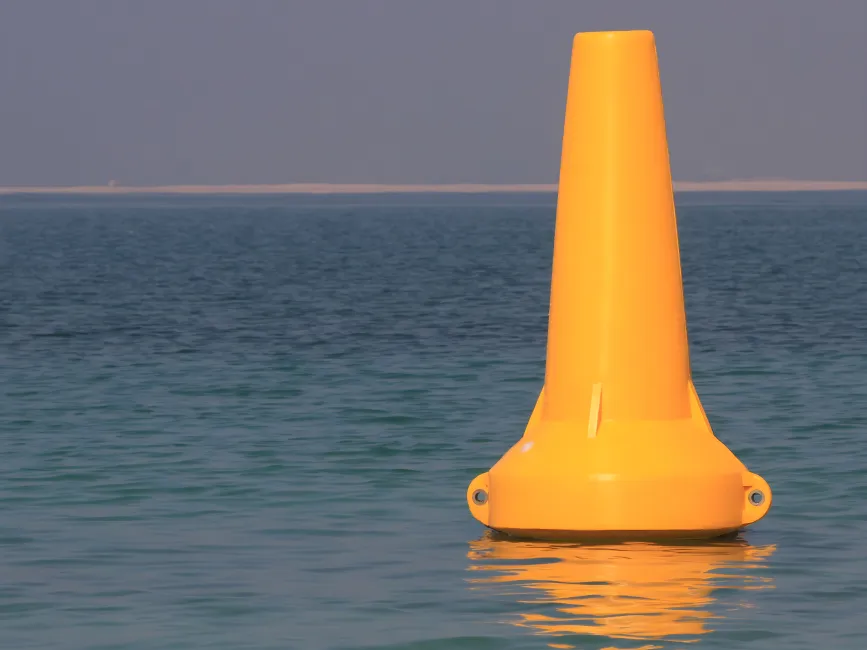
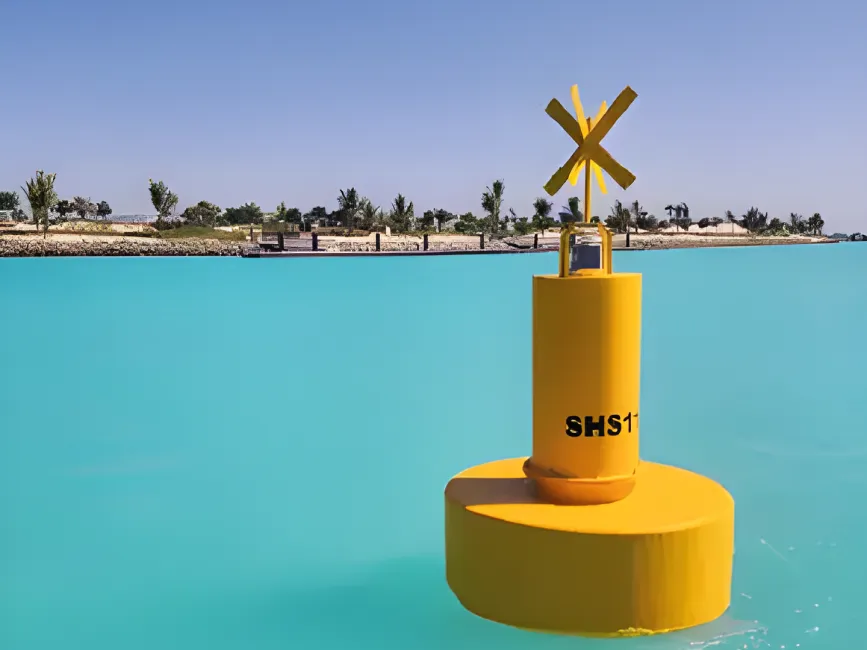
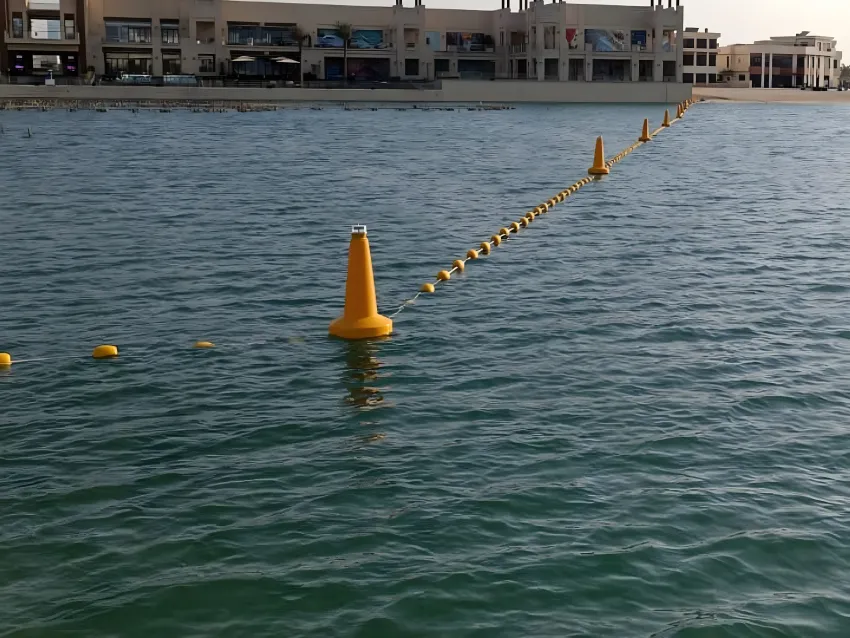
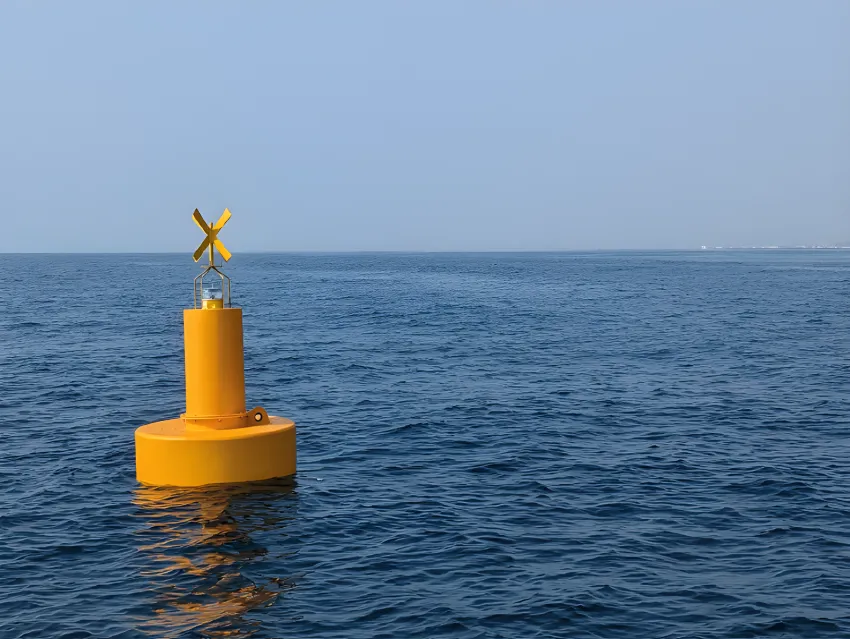
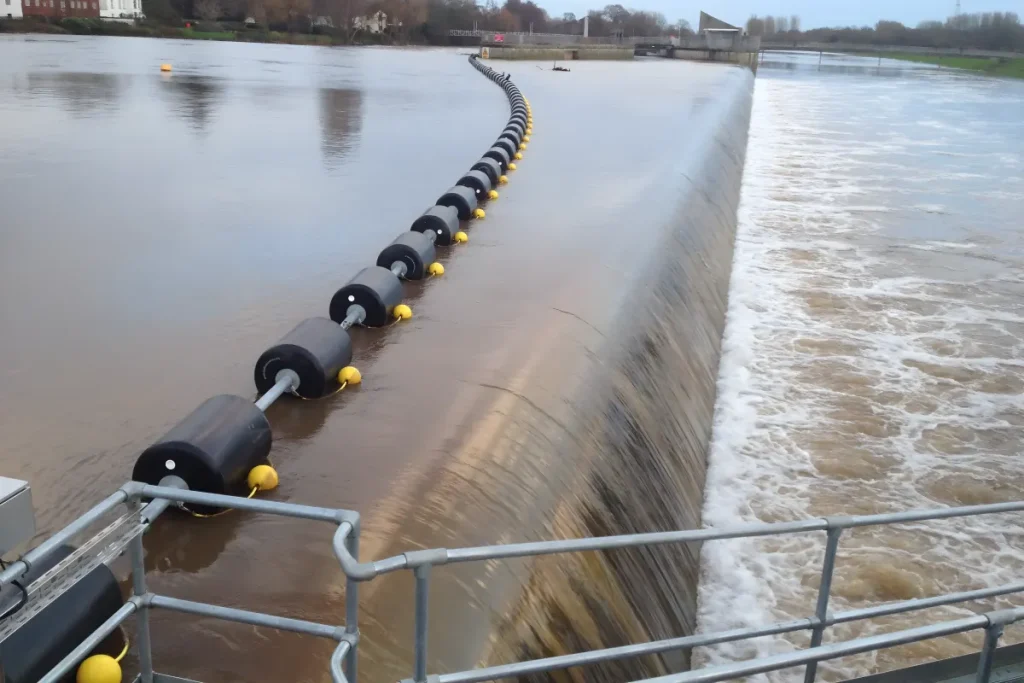
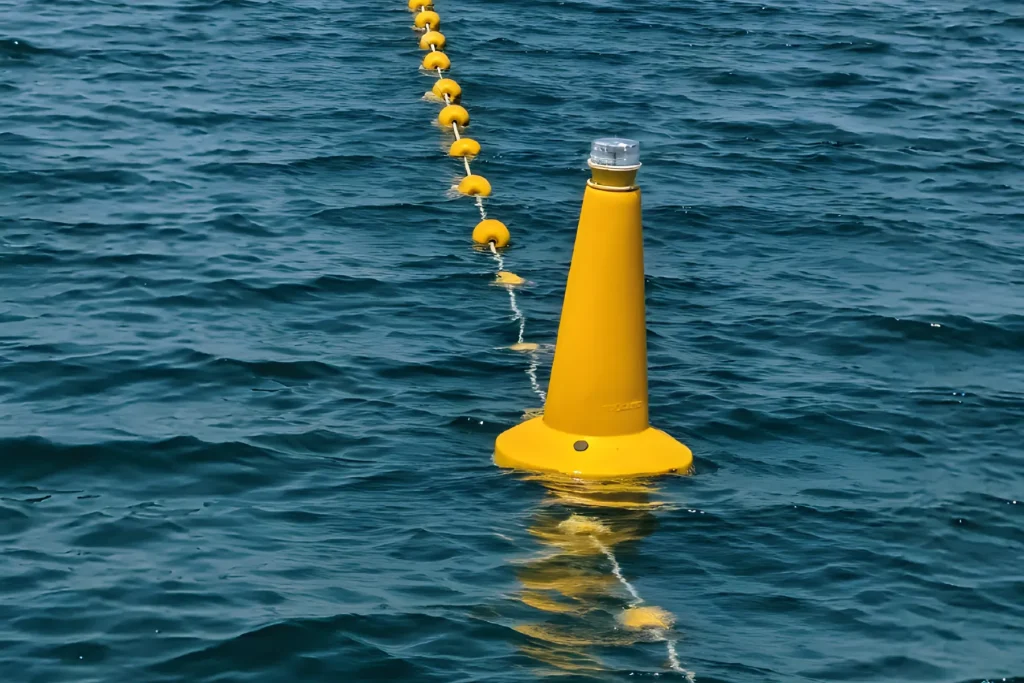
Navigation buoys are special float devices used in marine navigation. Whether alone or along with marine barrier, they are applied to mark safe passages and warn and guide vessels through channels, harbors, and open waters. They are usually attached to the bottom of a water body and mounted with lights and shapes for identification and retrieval. Some are also mounted with sound signals. The principal purpose of such lights is to serve as visual aids for navigators; they help the safe passage of vessels without the dangers of shallow waters, submerged rocks, or shipwrecks.

Navigational buoys provide reliable safety and proper marking of the available routes. They also help to light up the areas of caution to avoid accidents and collisions, which is beneficial for the environment and the efficient movement of vessels. They are especially important in places where natural aids to navigation, such as landmarks or lighthouses, are inadequate.

7 Types of Navigation Buoys: Meanings & ApplicationsĀ 

Types of Navigation Buoys

Types of navigation buoys come in many forms, all of which have evolved to serve the cardinal purposes within the maritime navigation system. They are instrumental in guiding vessels through safe passages, indicating hazards, and providing important navigation information. They are standardized in design, color, and shape based on The International Organization for Marine Aids to Navigation (IALA) standards so that any mariner can interpret the meaning safely and speedily for the safety of their vessel. The following are some key types of navigation buoys that serve important roles in this regard.

Lateral Buoys

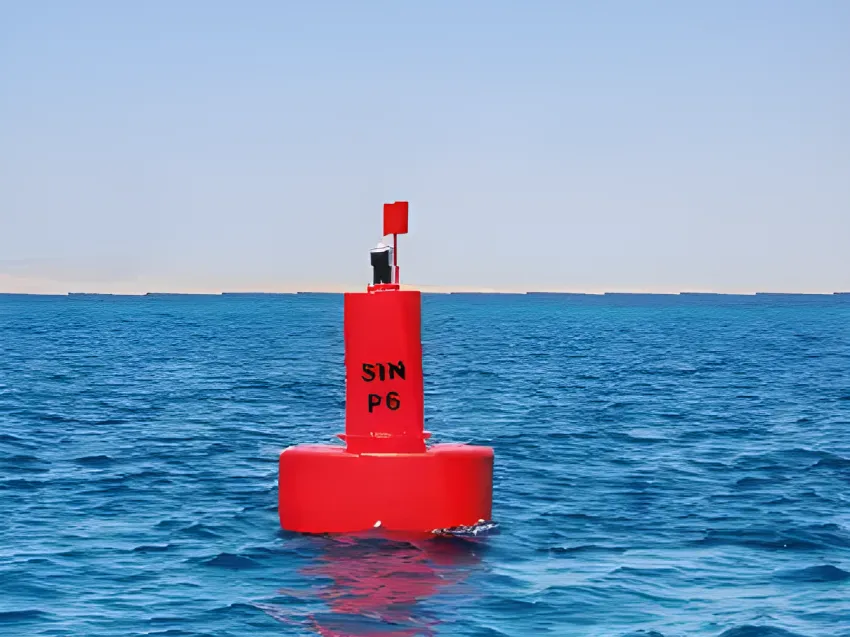
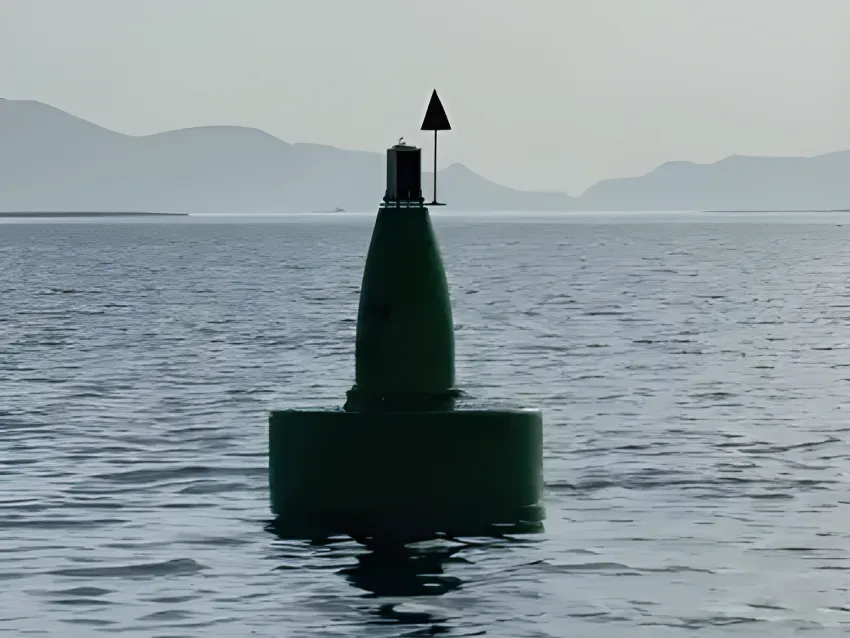
The lateral buoys are among the most used navigation buoys. They signal the sides of navigable channels and the direction of safe water. Most lateral buoys are color-coded in red and green based on the region they are used in. These buoys also carry a square shape on top or may equip with light characteristics, especially in dim or night navigation.Ā 

Cardinal Buoys

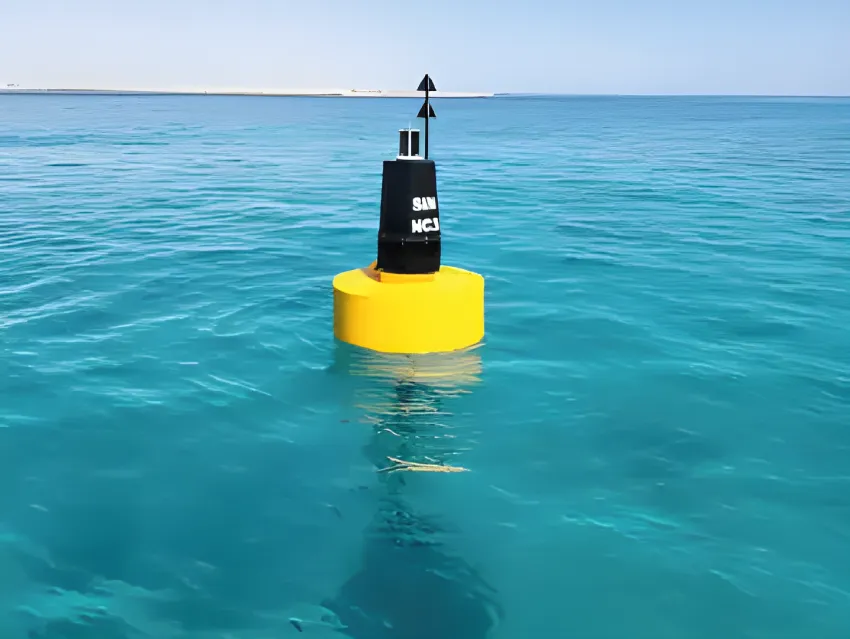
Cardinal buoys indicate the safest water from a hazard. They are named after the compass’s four cardinal points: North, East, South, and West. Each buoy is placed in the direction in which the safest water lies, bearing from the danger. For example, a North Cardinal buoy indicates that the safest water is north of danger. These marine navigation buoys are usually black and yellow, with special band patterns and top markings comprising two cones, enabling the sailor to identify its orientation quickly.Ā 

Bifurcation Buoys

Bifurcation buoys mark the separation of a channel into two. These navigational buoys guide mariners in knowing how to proceed with a branching waterway. Sometimes, a bifurcation buoy with red and green bands will indicate which channel is preferred for port or starboard while in movement. The top band usually indicates the preferred channel side to prevent vessels from proceeding safely in the proper channel.Ā 

Information Buoys

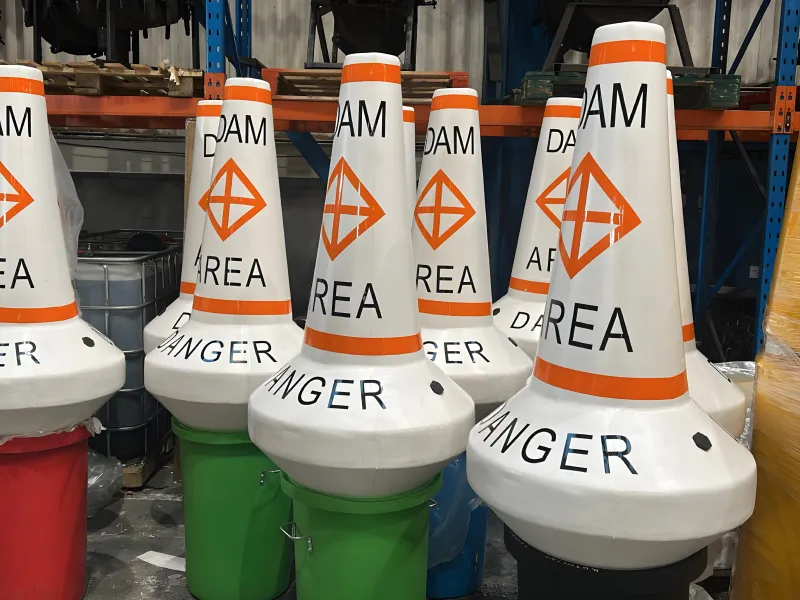
Information buoys will provide the mariner with information vital for navigation that is not specifically related to safe passage. These buoys often have a range of symbols or text in an attempt to advise the mariner on such things as speed limits, directions, and many other regulatory functions. White in color, possibly with orange markings, information buoys for navigation are nonetheless essential to local regulations and safety passage through certain areas.Ā 

Demarcation Buoys

Demarcation buoys establish borders to all sorts of marine zones. For example, they are marking a safe water channel from a restricted area or transitioning from inland to coastal waters. Such navigation buoys guide a mariner to stay within the areas marked for navigation and out of zones where different rules or hazards apply. The demarcation buoys will have different colors and shapes depending on which zone it delimits. In most cases, differentiation would be done with the other aids indicating the navigation approach.Ā 

Emergency Wreck Marking Buoys

The emergency wreck marking buoys were designed to temporarily mark newly discovered wrecks or hazards until permanent measures could be implemented. They appear outstanding because they are usually characterized by vertical blue and yellow stripes, with a light showing alternating flashes of blue and yellow. They are special in design, so one can easily identify them as representing a service than other types of buoys. This indicates to the mariner a new obstruction that would otherwise be dangerous.Ā 

Special Buoys

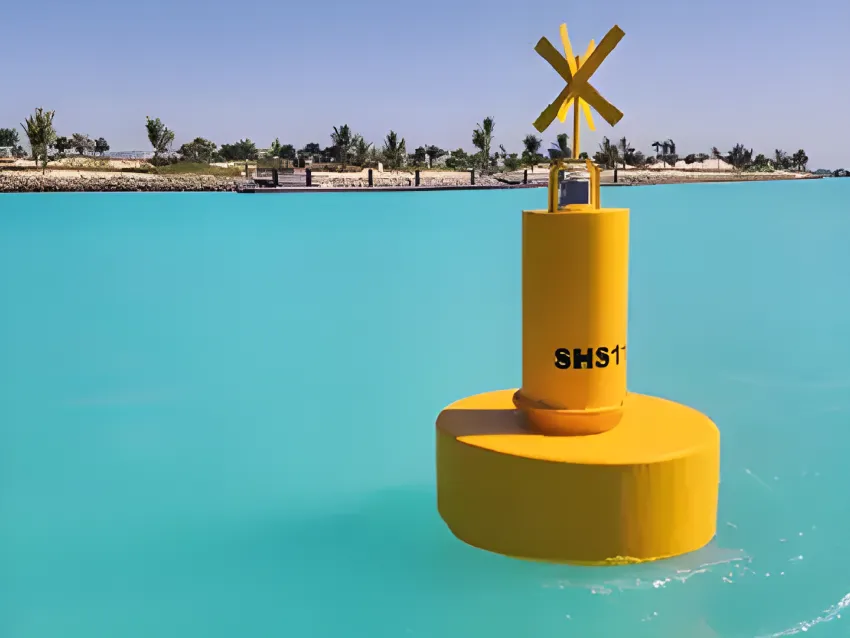
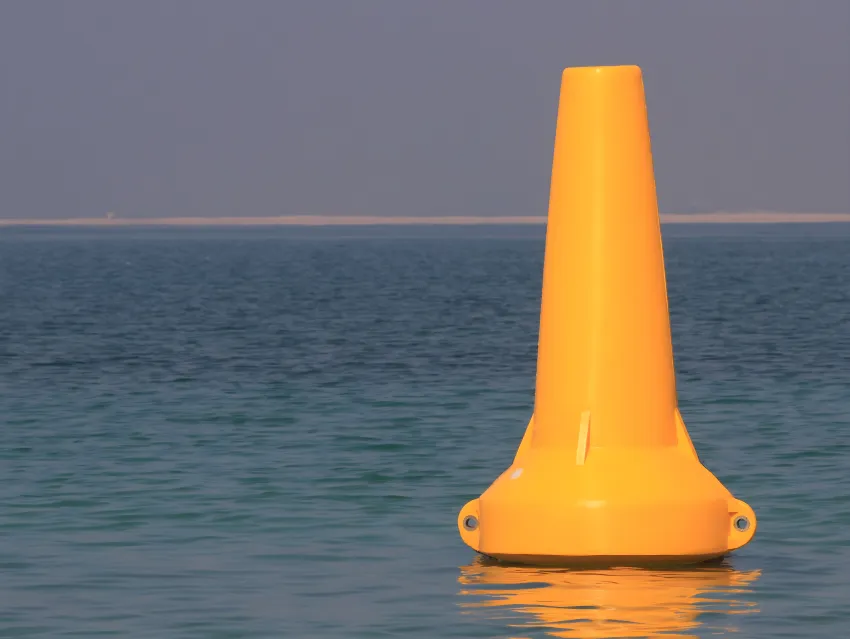
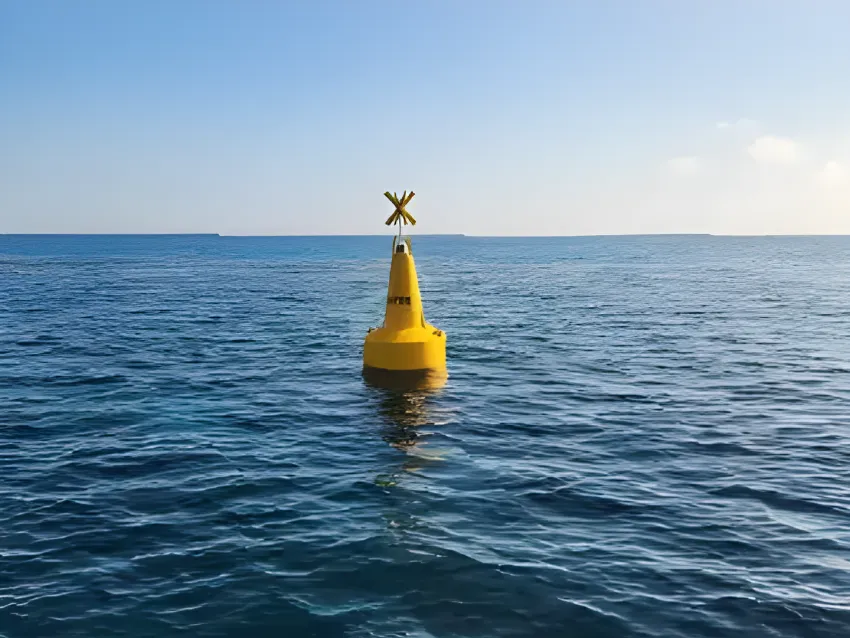
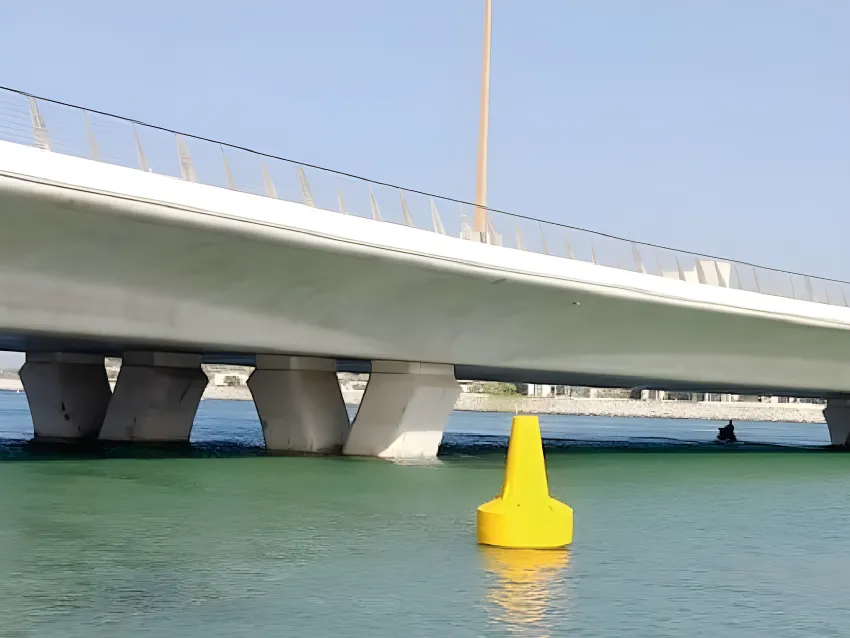
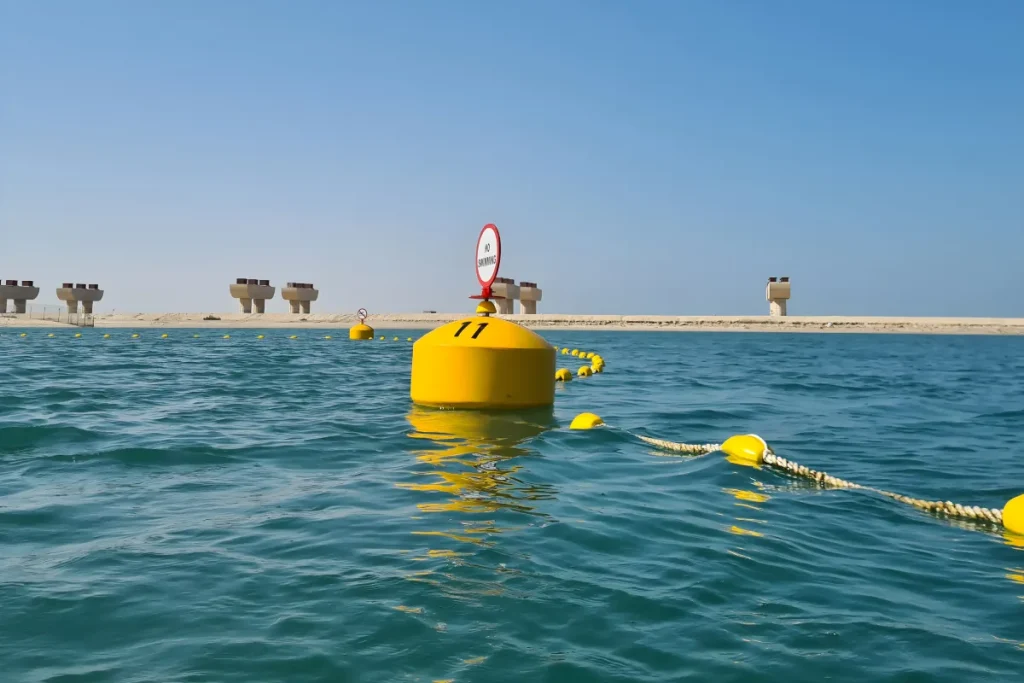
There navigation buoys are a lot of uses for special purposes that do not classify with usual navigation or marking hazards. They may mark areas such as anchorages, fishing zones, or pipelines. They are usually colored yellow and have specific top marks or lights that can define the function of such buoys. Special buoys are important in managing marine activities and ensuring vessels operate safely and efficiently in the allotted areas.Ā 

How Are Different Types of Navigation Buoys Anchored?Ā 

Marine navigation buoys are typically anchored to the seabed using two main systems: bottom-mounted anchors and moored anchors. Bottom-mounted anchors are often used in shallow waters and consist of heavy materials like concrete or metal blocks that secure the buoy by resting on the ocean floor. This method is effective in calmer waters where strong currents or tides aren’t significant. 

In deeper or more turbulent waters, moored anchors are preferred. These systems use a combination of anchors and mooring lines, allowing the navigational buoys to move with the tides but remain within a set range. The mooring lines are typically made of chain or synthetic materials and connect the buoy to the anchor, which is secured at the bottom. This setup ensures the buoy stays visible and functional despite changing water levels or wave conditions. This anchoring process ensures different types of navigation buoys can reliably mark hazards or safe channels under various maritime conditions. 

Navigation Buoys and the IALA Region B SystemĀ 

Types of navigation buoys are standardized globally under the International Organization for Marine Aids to Navigation (IALA), which guarantees conformity and safety in the navigation of waters globally. IALA was founded in 1957 and was developed to end the confusion between the many individual countries and companies with so many buoyage systems. The system which of the following is divided into two regions: Region A (Europe, Africa, most of Asia) and Region B (Americas, Japan, and the Philippines). 

The delineating feature between the two is in the color scheme of lateral marks: in Region A, the buoys indicating the port side of the preferred channel when entering from seaward are colored red, and the buoys indicating the starboard side are colored green; in Region B, the two are reversed.Ā 

Colors, Shapes, and Top Marks of Marine Navigation Buoys in CanadaĀ 

Global Standards and Buoyage Systems

Navigational buoys are designed based on the IALA standards for the region the marine navigation buoys are used in. In both regions, the white and red stripes buoys mean that the channel is starting. In region A, the port is on the right side of the channel while it is on the left side in region B. Since Canada is in region B, green navigation buoys with green square top marks are used on the left side of the channel to indicate where the entering of open sea is. On the right side, on the other hand, red navigational buoys with triangle top marks are used to indicate where the exiting of open sea is. Cardinal, demarcation, emergency wreck marking, information, and bifurcation buoys are same in both region A and B.Ā 

Conclusion

Types of navigation buoys stand out for their important roles in maritime safety, helping vessels through complex and largely hazardous waters. We have discussed the different types of navigation buoys, from lateral and cardinal buoys marking safe channels and hazards to the specialized ones that carry valuable information and delineate specific areas in the entire blog post. The development and standardization of such buoys, especially in the IALA system, have been instrumental in developing a uniform and dependable model that avails buoyancy to the rest of the world for maritime navigation.

As maritime activities grow and diversify, the future of navigation buoys will continue to lie at the heart of enhancing waterway safety, operational efficiency, and environmental stewardship in our waterways worldwide. Whether guiding vessels through crowded harbors or marking shoals in remote waters, navigation buoys are integral in facilitating the smooth operation of marine transportation and protecting the marine environment.

What Do the Navigational Buoys Mean?Ā 

Types of navigation buoys are delivered specific meanings depending on their applications, all used to ensure safe navigation in marinas.

What Are the Different Types of Buoys in Canada?

Types of navigation buoys in Canada include lateral, cardinal, bifurcation, information, demarcation, emergency wreck marking, and special buoys.

What Are the Color Codes for Marine Navigation Buoys?

The color and design of navigational buoys vary in different countries based on IALA standards..