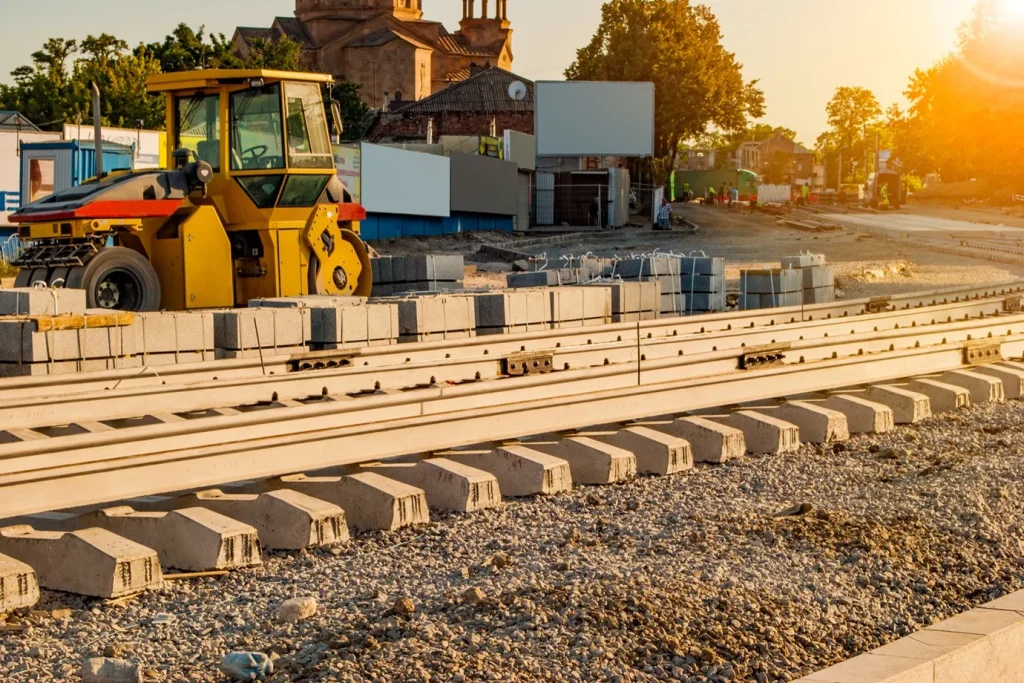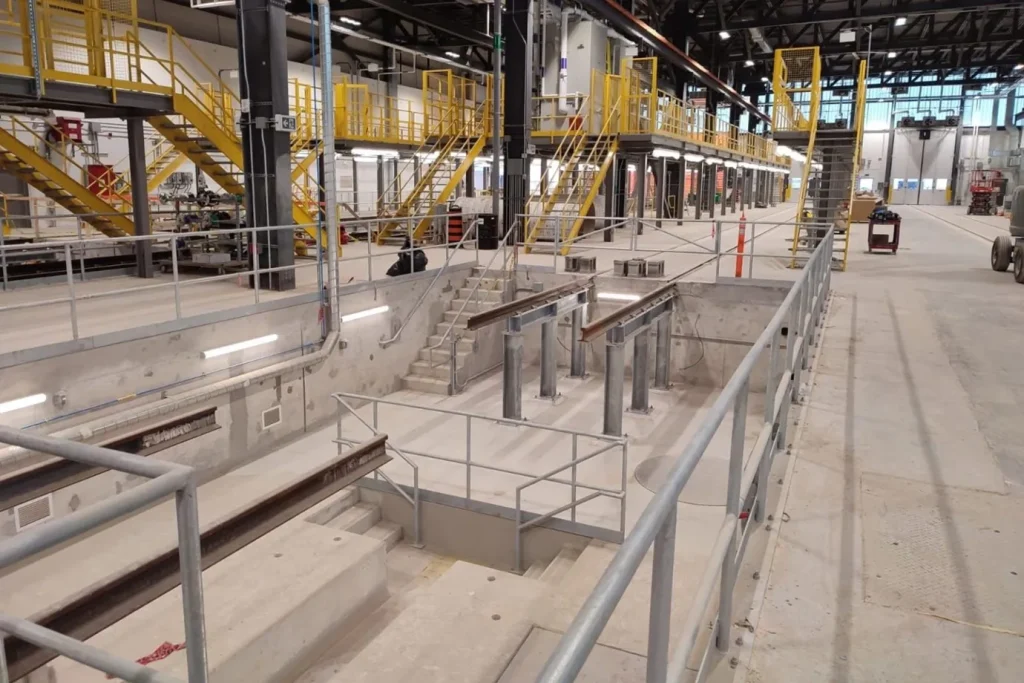
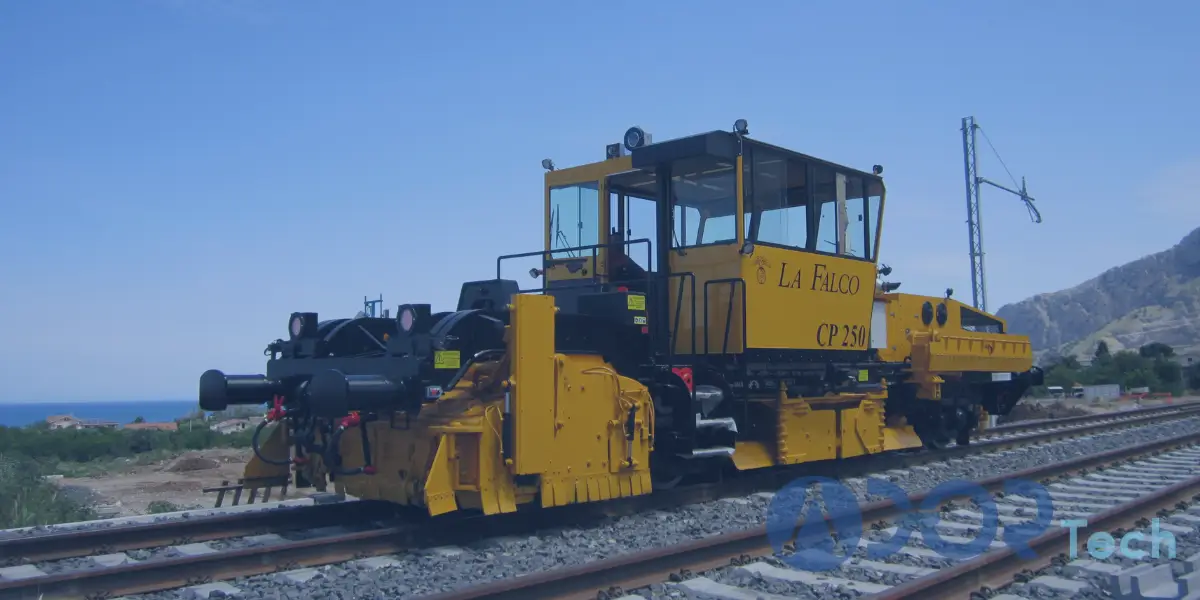
MOW equipment is designed to address the increasing demands of railway maintenance and construction, which play a vital role in improving the safety and efficiency of the operations. The diversity of railway maintenance tasks and infrastructural operations requires a wide range of maintenance of way equipment, such as ballast regulator, hi-rail excavator, track laying machine, shunter, and so on. Each of this railroad maintenance equipment built to perform specific functions under different working conditions. In this blog post, we will dive into the world of MOW equipment, understanding their main types and applications of each.
What Is MOW Equipment?
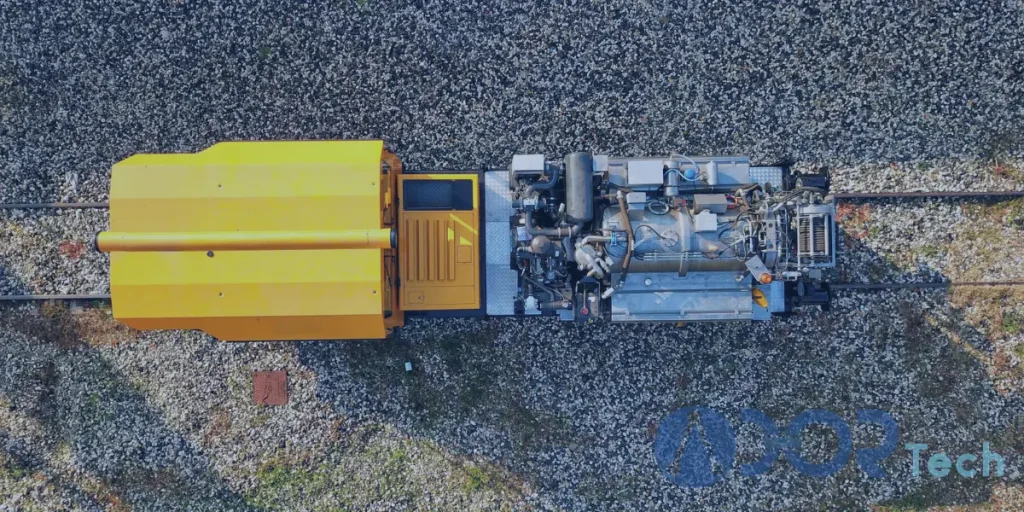
MOW equipment is specialized types of vehicles designed to operate on railway tracks, used for maintenance, infrastructural construction, emergency responses, and even transportation of crews and equipment. Most of these railroad maintenance equipment are designed to operate on track, but there is some dual mode vehicles engineered to operate on both rail tracks and highways. Whether maintenance or infrastructure construction, each of these tasks is necessary for smoother and safer railway operations. Therefore, the reliability and efficiency of maintenance of way equipment becomes more critical.
7 Types of Maintenance of Way Equipment
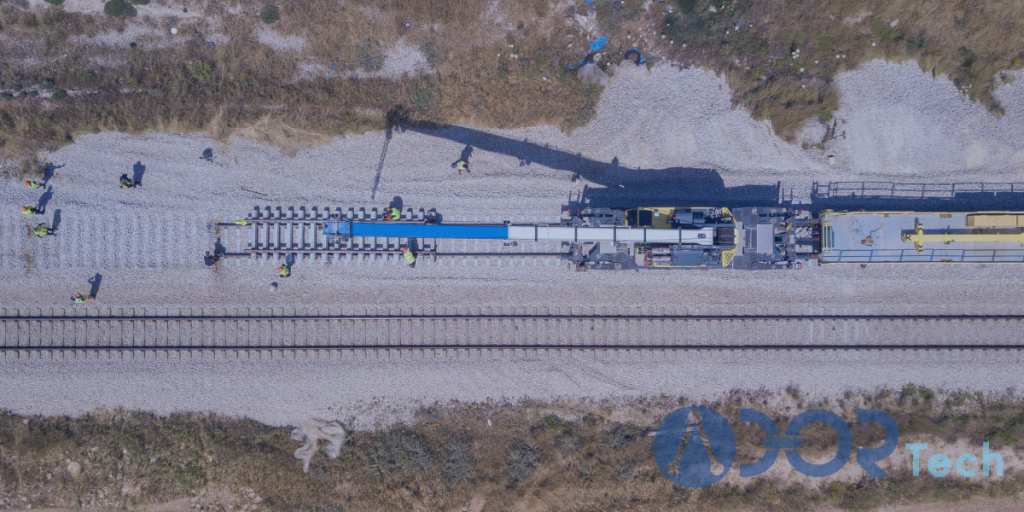
Maintenance of way equipment includes a wide range of vehicles, each designed for a particular task. Rail tracks require regular maintenance to ensure safety and operational efficiency. ballast profiling, tamping, rail grinding, vegetation controlling, and snow removal are just a few railway maintenance tasks. Moreover, rails, sleepers, and other railway components must be renewed periodically to extend their service life and accommodate increasing traffic demands. Now that we learn how railway maintenance and infrastructural operations are crucial, let’s delve into the main types of MOW equipment commonly used to perform these tasks:
Ballast Regulator
Ballast plays an important role in improving rail track stability, facilitating drainage, reducing vibration, and distributing loads. Ballast gradually shifts, settles, and becomes uneven over time due to repeated train loads, vibration, weather conditions, and routine railway operations. Ballast regulator machine is a key maintenance of way equipment used to distribute and shape the ballast evenly along the railway tracks, ensuring it is appropriately positioned and compacted, providing a solid foundation for railway tracks and promoting optimal track performance.
Tamping Machine
Railway tracks are continuously subjected to heavy axle loads, vibration, temperature changes, and environmental conditions. Over time, these factors cause the track to settle and gradually lose its original geometry, affecting alignment, level, and stability. Tamping machines are essential for aligning and packing the ballast underneath railway tracks. By consolidating the ballast, tampers ensure that the tracks remain properly supported and stable, preventing any unwanted movement of the rails.
Rail Grinders
Over time, rails develop surface defects such as corrugation, which can increase friction between the rail and the wheels. Rail grinder, also known as track grinder, is efficient maintenance of way machinery used to smooth these defects, reducing wear and tear and extending the lifespan of the rail. They also improve riding comfort and reduce noise levels.
Rails Loader Crane & Track Laying Machine
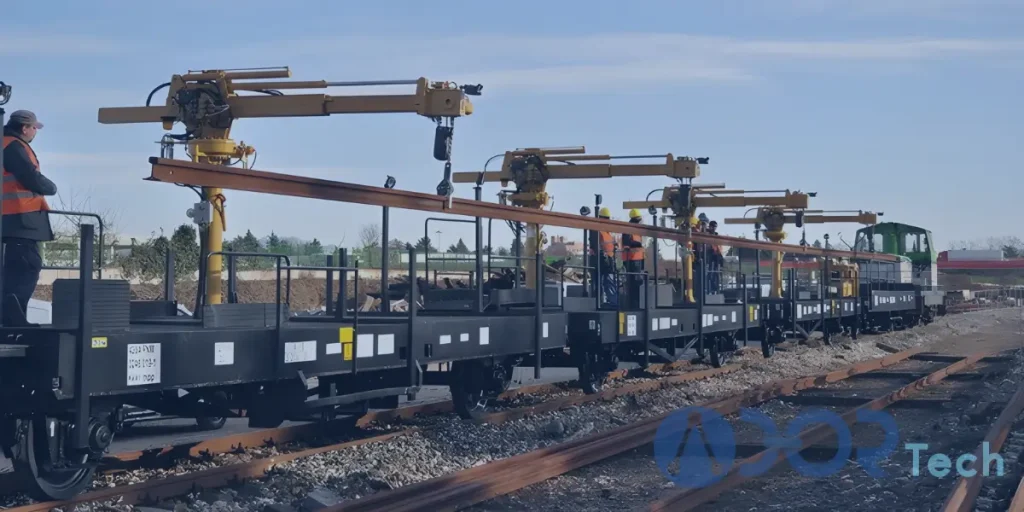
Replacement of rail tracks is necessary due to the gradual deterioration of railway infrastructure caused by repeated train loads, environmental conditions, and material fatigue. But handling the heavy rail tracks is not that easy. Rails loader crane is MOW equipment used to handle heavy rail sections precisely and efficiently, ensuring accurate placement of rail sections while prioritizing the safety of workers and maintaining project timelines. Track laying machine is another railroad maintenance equipment designed to lift, move, and switch the rails tracks in rail renewal and replacement projects.
Sleeper Gantry
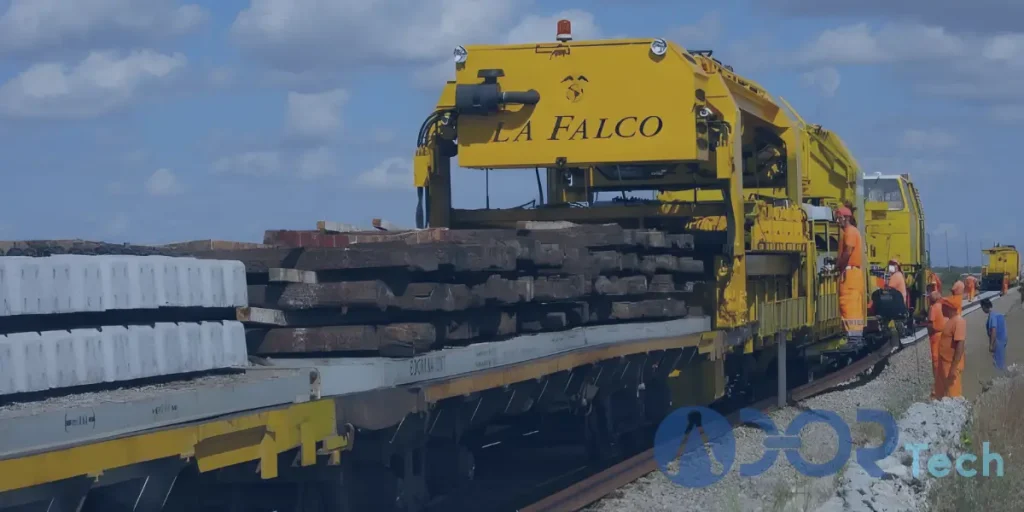
Railway sleepers have a finite service life and must be replaced when they become worn, damaged, or unable to provide adequate support for the rails. As efficient maintenance of way machinery, Sleeper gantry is designed to handle and position railway sleepers precisely. By ensuring the accurate placement of sleepers, the sleeper gantry enhances the stability and longevity of railway tracks, contributing to the overall safety and reliability of the rail infrastructure.
Hi-Rail Excavator and Truck
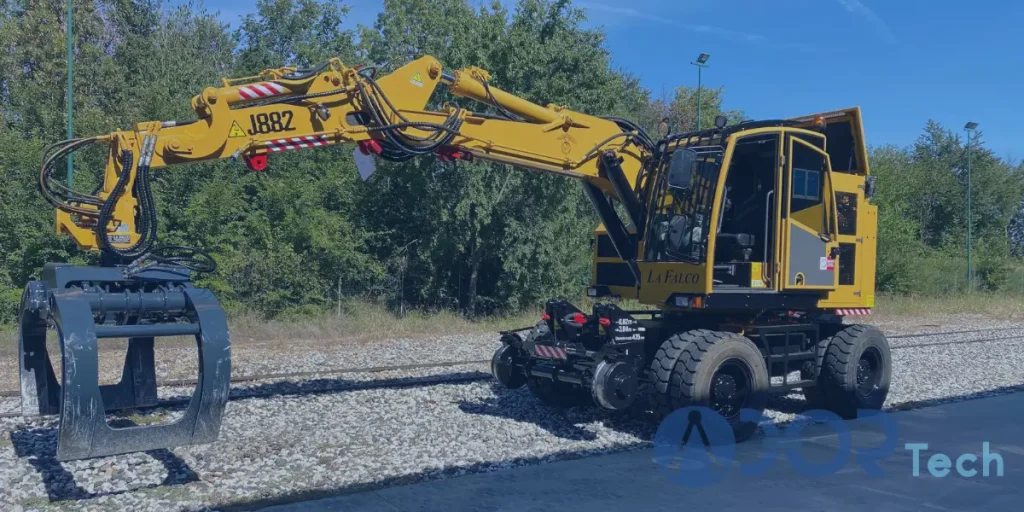
Hi-rail truck and excavator are extremely versatile railroad maintenance equipment used to perform a wide range of maintenance and infrastructure construction tasks. They are designed to operate on both rail tracks and roads for more flexibility. Hi-rail excavator and road-rail trucks are typically provided with various attachments for different tasks.
Shunter & Motorized Trolley
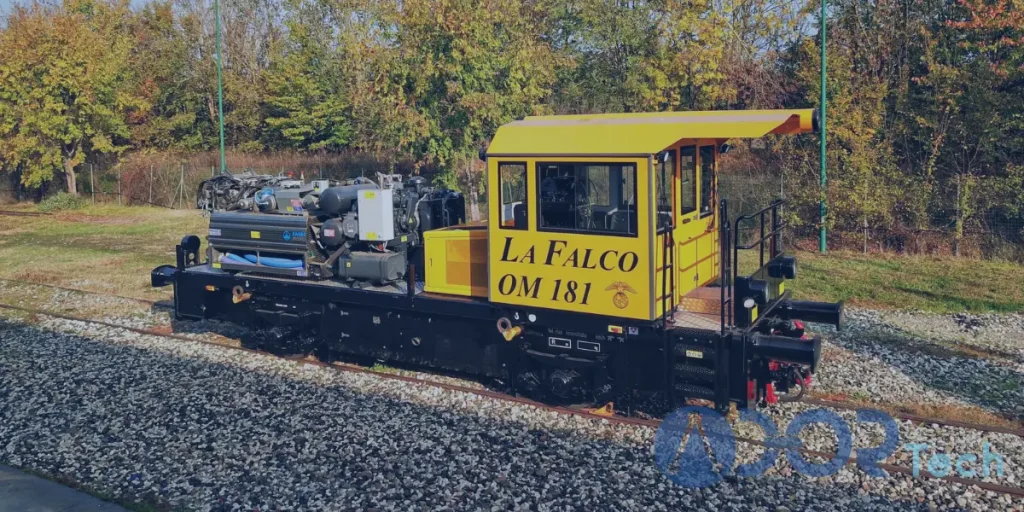
The efficiency of maintenance of way equipment is not just about performing maintenance tasks. Towing railway vehicles and transporting some of the MOW equipment or even crews to the operation sites at high speed has always been a concern in railway maintenance and construction projects. Shunter (also known as switcher locomotive) is multi-purpose maintenance of way equipment used as shunter, track cleaning, construction support equipment, tower locomotive, rescue or recovery vehicle for emergency responses, and crew speeder. Moreover, some of the maintenance of way machinery is required to be transported by a railway vehicle. Motorized trolley is a vehicle designed to transport different MOW equipment to the operation site by mounting them on and moving along railways.
Modern Maintenance of Way Machinery for 2026 Railway Demands
Maintenance of way machinery becomes more essential due to the increasing demand for railway maintenance and construction, which continue to grow as rail networks expand. Modern railway systems require more efficient, faster, and advanced MOW equipment that delivers higher productivity, greater precision, and improved operational flexibility while maintaining the highest safety standards.
Advanced hydraulic systems provide the power and precision needed to lift, position, excavate, and handle heavy railway components with greater control and efficiency. Automation has also transformed railway maintenance of way equipment by reducing manual intervention and increasing operational accuracy. In addition, remote monitoring and controlling allows operators for control maintenance and construction tasks from a safe distance using wireless remote-control systems.
Economic and Safety Benefits of Using Railroad Maintenance Equipment
Investing in specialized maintenance of way equipment offers significant economic and safety advantages that contribute to the long-term sustainability of rail networks. One of the primary economic benefits is reducing downtime. Using advanced maintenance of way machinery, rail operators can perform maintenance and infrastructure construction fast and smoothly, preventing costly service interruptions. This proactive approach minimizes the need for emergency repairs, which are typically more expensive and disruptive to train schedules.
Regarding safety, specialized MOW equipment such as rail grinders and ballast regulators helps maintain tracks’ structural integrity, preventing derailments and accidents. Additionally, automated maintenance of way equipment reduces the need for manual labor in hazardous environments, further enhancing worker safety by limiting exposure to dangerous conditions.
Another key economic benefit is extending the lifespan of infrastructure. Regular maintenance using specialized railroad maintenance equipment ensures that assets remain in optimal condition, reducing the frequency of replacements and lowering overall lifecycle costs. Furthermore, modern railway vehicles help optimize maintenance schedules, allocating resources efficiently.
Conclusion
Railway maintenance is vital for ensuring the safety and efficiency of rail systems. Regular monitoring and maintenance become critical as rail networks expand, covering vast distances with complex infrastructure, including tracks, signals, electrical systems, and rolling stock. Without proper attention, rail systems are prone to accidents, breakdowns, and costly delays, compromising safety and operational performance.
The blog emphasizes the importance of specialized MOW equipment. Each type of maintenance of way equipment plays a unique role in enhancing rail infrastructure’s long-term sustainability and stability. Maintenance of way machinery minimizes operational disruptions and ensures smooth freight and passenger transport service. In conclusion, having reliable railroad maintenance equipment and properly maintaining rail networks is essential for rail systems’ integrity and safety.
FAQs About MOW Equipment
What Does MOW Equipment Stands for?
MOW equipment stands for maintenance of way equipment.
What Is the Difference Between MOW Equipment and Railway Vehicle?
Maintenance of way equipment is a kind of railway vehicle, specialized for maintenance and infrastructure construction tasks in rail networks.
How to Choose the Right Maintenance of Way Equipment?
Choosing the right type of maintenance of way machinery depends on the demands of the project. MOW equipment ranges widely, each suitable for a specific task.