Overhead Contact System inspection is getting much easier with us! We provide advanced OCS inspection solutions to ensure safer railway operations more than ever.
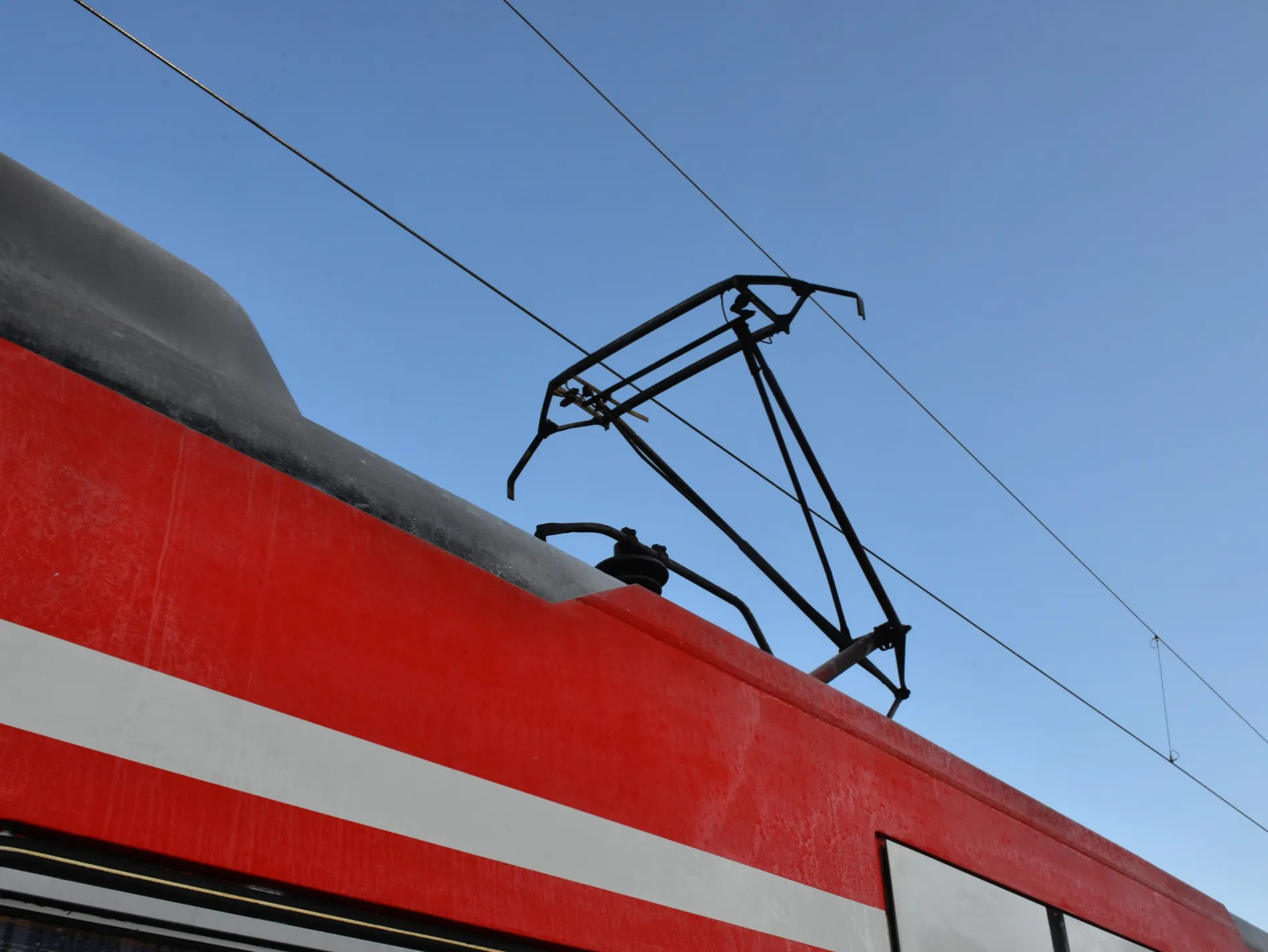
Overhead Contact System (OCS) refers to the overhead contact lines that supply needed electricity for trains, trams, or Light Rail Vehicles (LRVs). The roof-mounted pantograph on a railway vehicle touches the contact wire and collects required power for operation. Overhead Contact System can be disrupted or failed by several factors, such as weather conditions, mechanical defects, electrical faults, and external damage. Due to its critical role in keeping the railway network operate, it is necessary to inspect overhead contact line system regularly.
ADOR Tech provides you with advanced Overhead Contact System inspection solutions that your project needs.
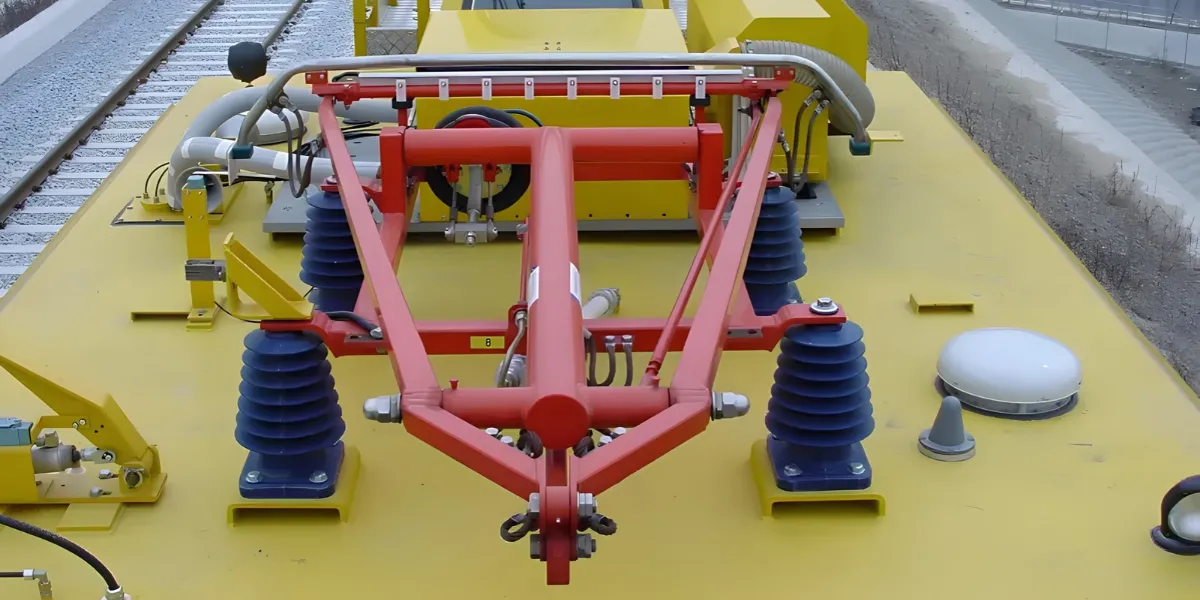
Contact line measuring system, also known as OVHWizard, is an ultrasound-based solution used to inspect the position of Overhead Contact System (OCS). Whether installed on a railway vehicle or used stationery, this OCS inspection solution provides a high-speed and accurate measurement, even during railway operations.
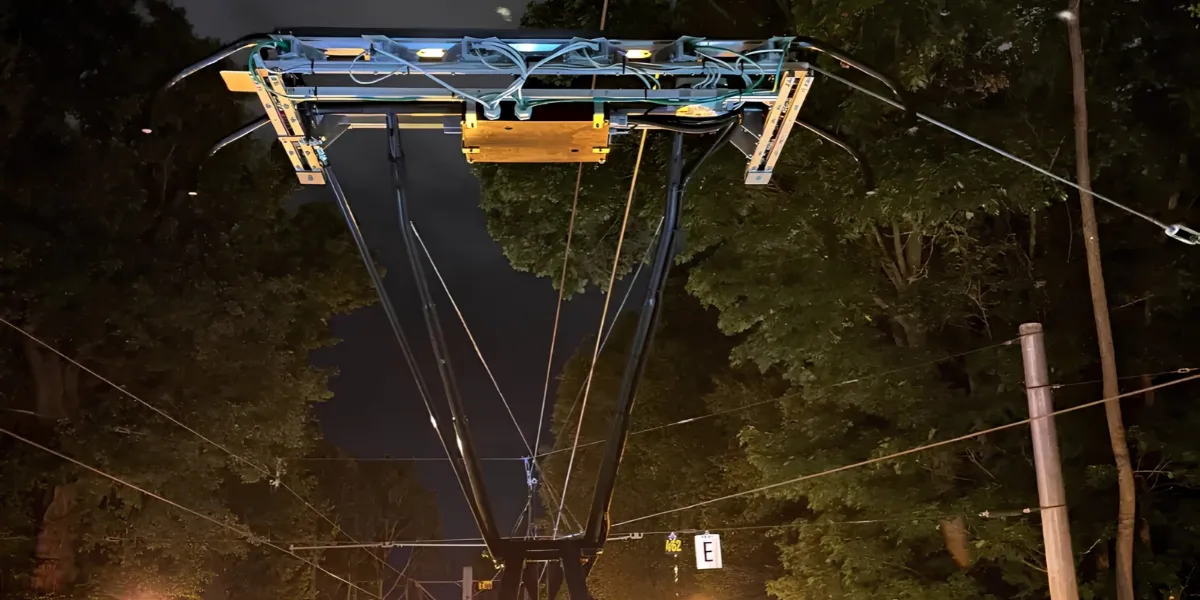
Contact wire wear measurement system or CatPro is an advanced laser-based solution used for overhead line wire wear and thickness measurement. It is installed on an existing pantograph and inspects Overhead Contact System (OCS) during railway operations.
Which Solution Fits Your Challenge? |
OVHWizard | CatPro |
|---|---|---|
| OCS Position Inspection | Yes | No |
| OCS Wire Wear & Thickness Inspection | No | Yes |
| Multiple Contact Wires Inspection at the Same Time | Yes | Yes |
| Measuring Twisted Contact Wires | No | Yes |
| All-Weather Operation | Yes | No |
| Vehicle Compensation | Yes | No |
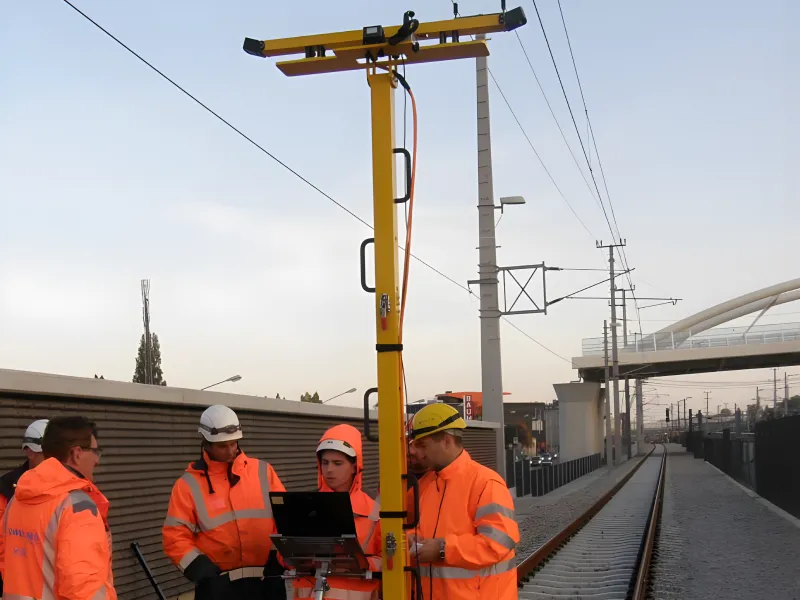
Contact Line Measuring System (OVHWizard) has successfully delivered to SPL Austria by our partner, Dr. Wehrhahn. The system is installed on a trolley instead of a railway vehicle to support more flexible inspection of overhead contact lines.
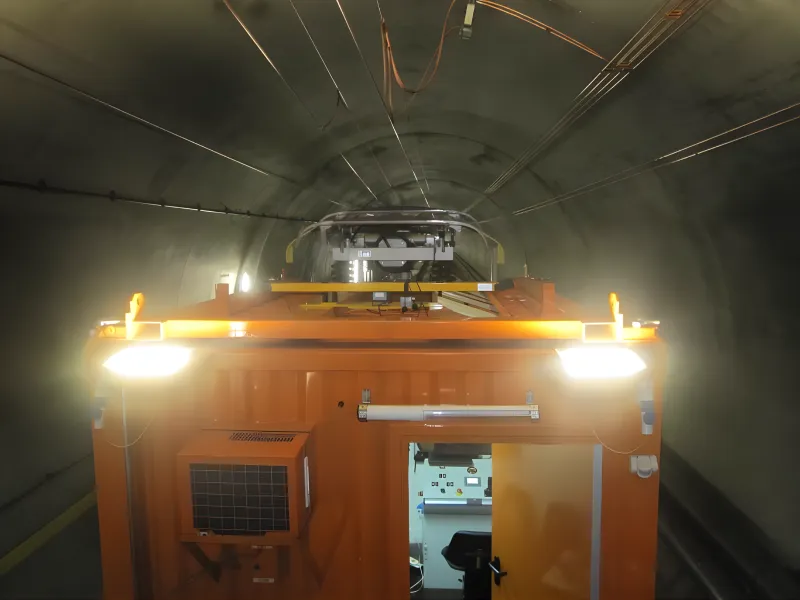
As a solution to a complete measurement of contact wires of the Gotthard tunnel, Contact Line Measuring System (OVHWizard) is delivered successfully to Switzerland by our partner, Dr. Wehrhahn.
It is critical to find wear, misalignment, and damaged components before they disrupt service, ensuring the safety of railway operations at the end.
According to the railway operator's maintenance plan and the condition of the system.
It is recorded, assessed for urgency, and scheduled for repair or closer examination.
Overhead Contact System inspection refers to measuring the geometry (height, stagger, and uplift) or defects of Overhead Contact System (OSC) to ensure the safety of railway operations. Regular OCS inspection leads to identifying wire wear, incorrect positioning, and damaged components before they affect train operations. A useful inspection combines measurements of the contact wire with checks of the equipment that supports it. Ignoring or postponing Overhead Contact System inspection can affect current collection and increase the risk of service disruption.
Overhead Contact System inspection covers the contact wire, messenger wire, droppers, supports, fittings, and insulators. Measurement devices and solutions look for wear, damage, loose connections, and signs of incorrect tension or positioning. They also measure contact wire height, stagger, uplift, and wear where those measurements are part of the inspection scope.
OCS inspection typically combines visual checks with contact wire measurements. Since some of the defects may be hidden or cannot be identified by naked eyes, it is necessary to use the Overhead Contact System inspection devices. The railway maintenance teams may examine components from the ground or an elevated work platform, while equipment mounted on a trolley or rail vehicle measures the wire along the route. This equipment records each finding, assess its urgency, and identify where maintenance or a closer examination is needed. Close access to electrical equipment follows the railway’s track access and electrical safety procedures.