Sediment control is challenging, but not for us. ADOR Tech provides fully customizable sediment control solutions, designed around each project’s demands.
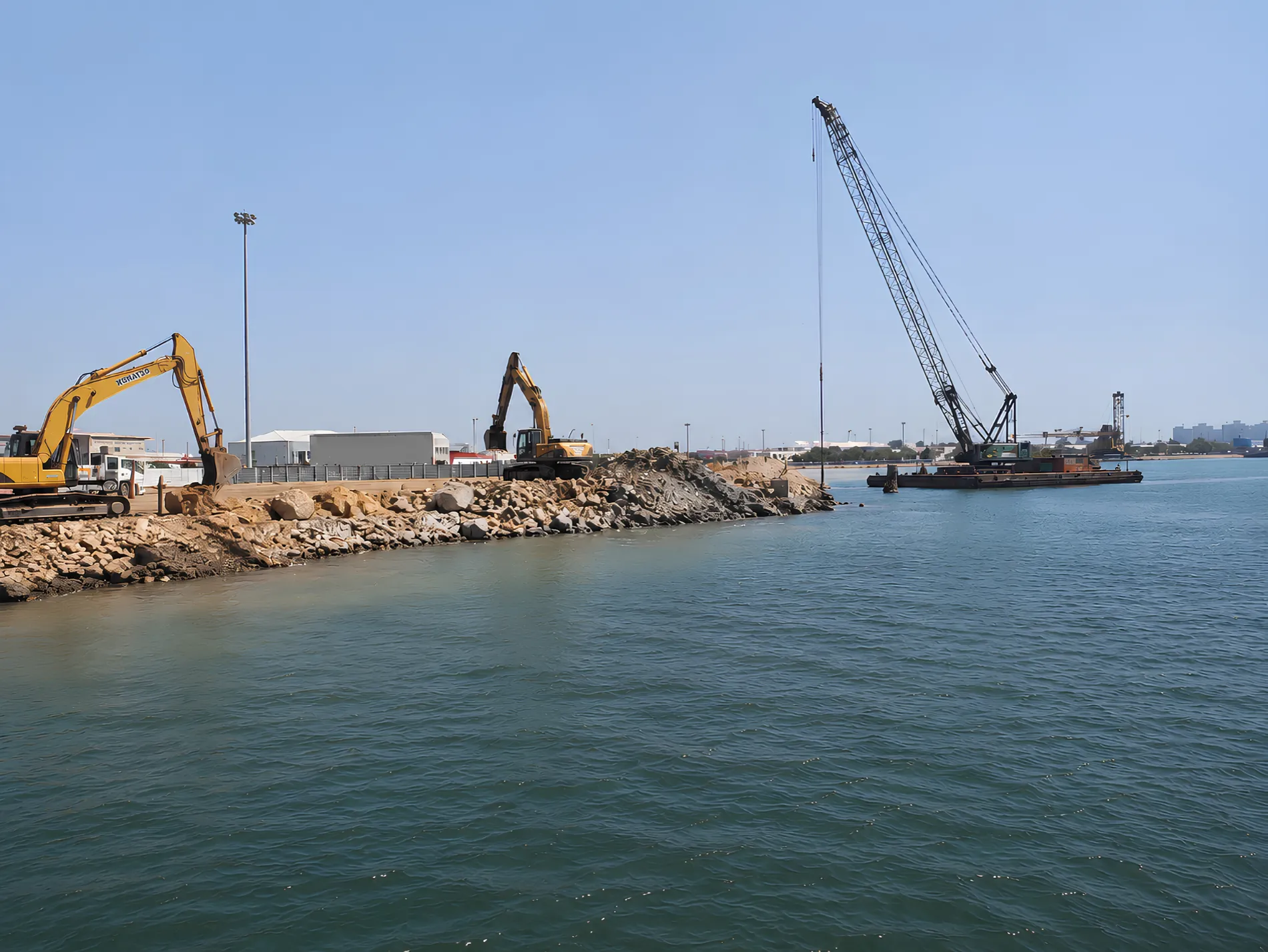
Sediment is the loose silt, turbidity, clay, sand, and other soil particles. Its sources fall into natural erosion and human activities. Natural erosion happens when sediment from weathered rock is carried to the sea by river systems. Human activities that cause sediment pollution include marine construction, dredging, port and harbour development, pile driving, and land reclamation. Sediment control is the set of methods for containing, managing, and preventing sediment and turbidity from spreading through or accumulating in water. It covers controlling the sediment at its source and capturing suspended particles before they reach surrounding waterways.
From natural erosion to marine construction, entrust the sediment control of your project to us.
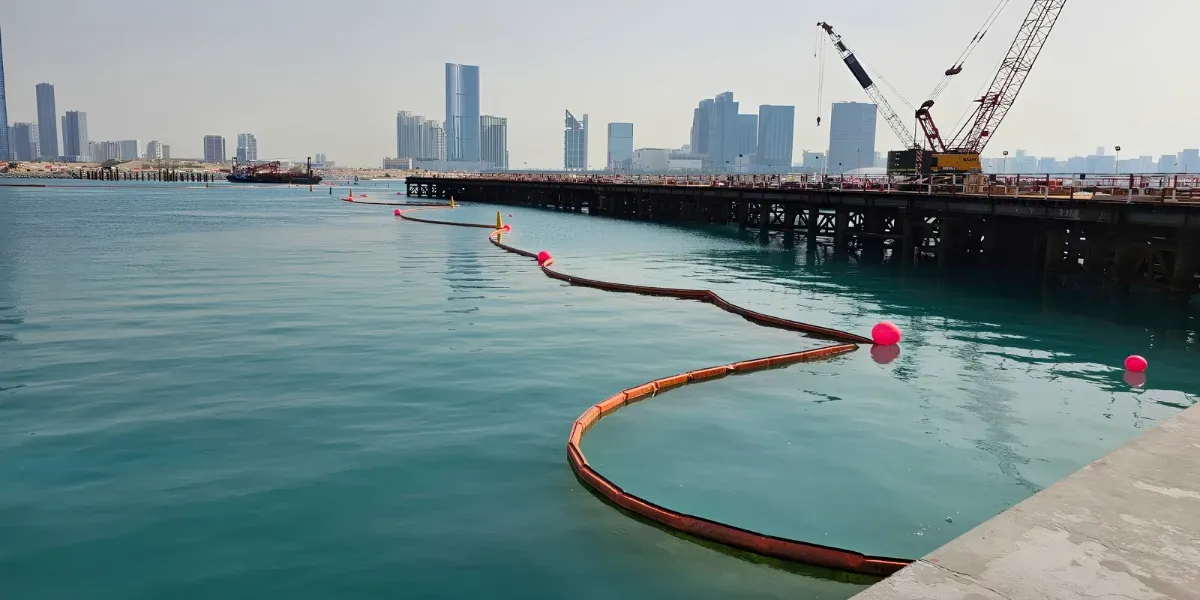
Floating barriers with a skirt underneath that contain sediment and stop it from spreading. Widely used in marine construction, dredging, and other in-water works where suspended particles must stay controlled.
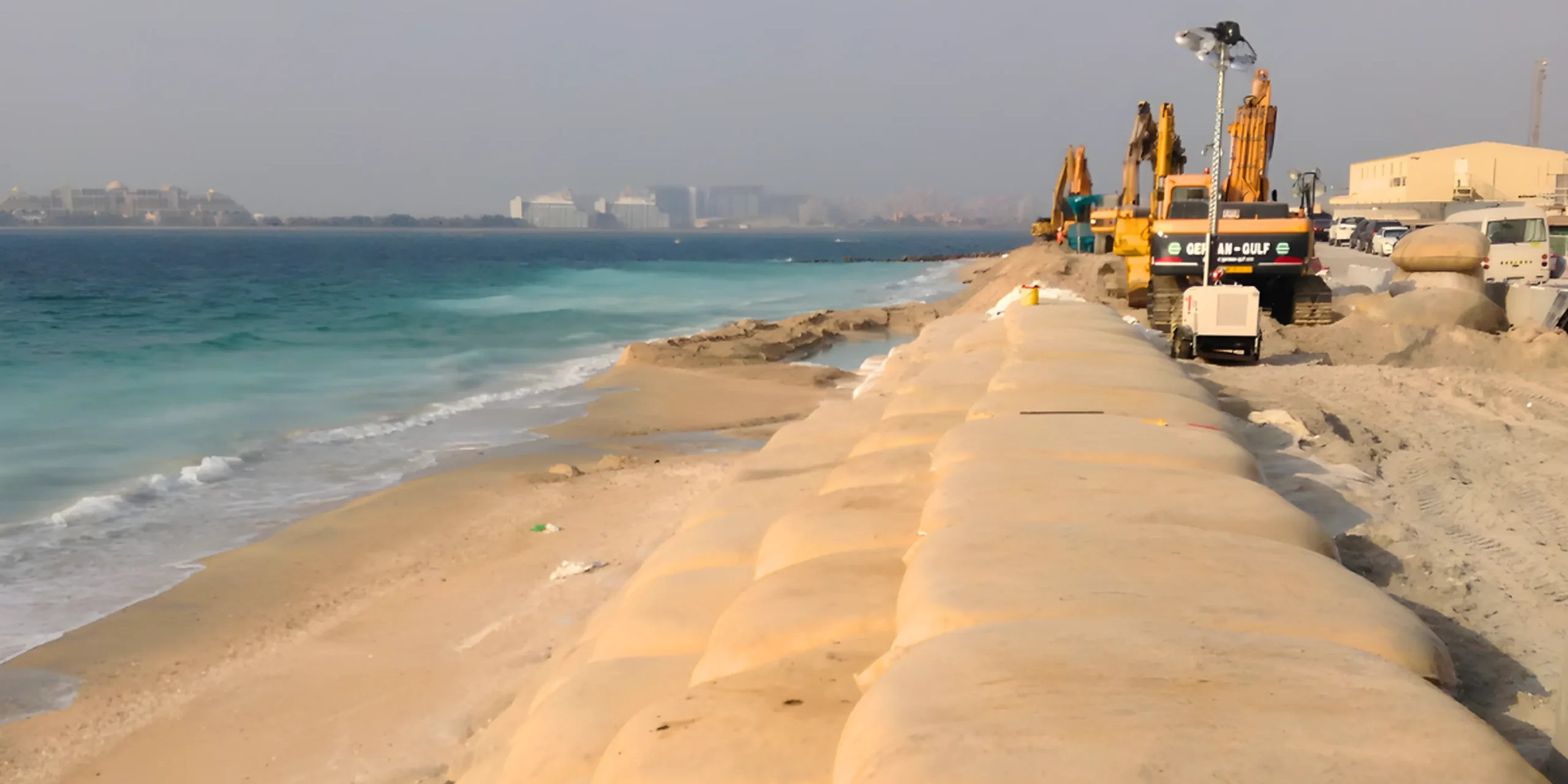
Also known as Ecobags or Geobags: sand-filled units used along coastlines for sediment control, shoreline protection, and erosion mitigation, in both temporary and long-term applications.
Which Solution Fits Your Challenge? |
Standard | Premium | Green | Geobags |
|---|---|---|---|---|
| Limited Project Budget | Yes | No | Yes | No |
| Sheltered or Calm Water | Yes | No | No | No |
| High Sediment Loads | No | Yes | No | No |
| Strong Currents & Tidal Flows | No | Yes | Yes | No |
| Minimizing Environmental Impact | No | No | Yes | No |
| High Freight Costs | No | No | Yes | No |
| Long-Term Reusability | No | Yes | Yes | No |
| Offshore Applications | No | Yes | No | No |
| Coastal & Shoreline Erosion | No | No | No | Yes |
| Wave & Tidal Erosion | No | No | No | Yes |
| Riverbank & Canal Erosion | No | No | No | Yes |
| Emergency Coastal Protection | No | No | No | Yes |
| Temporary Marine Structures & Bunds | No | No | No | Yes |
| Beach Restoration & Land Reclamation | No | No | No | Yes |
Review site conditions, water movement, sediment behaviour, access, and project requirements.
Select the most suitable sediment control approach and configuration for the site.
Customize the solution around dimensions, materials, anchoring, and site-specific needs.
Coordinate packaging, transport, and delivery around the project schedule and destination.
Support final positioning, anchoring layout, deployment, and installation on site.
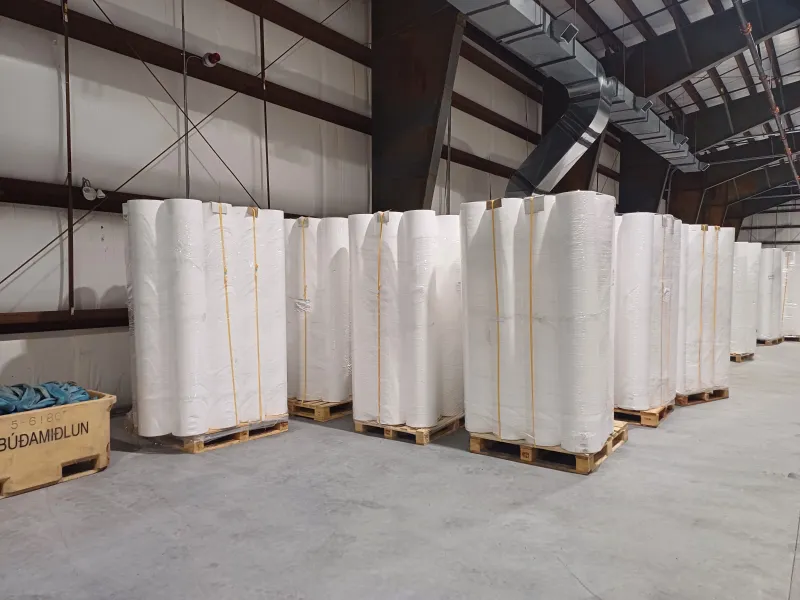
ADOR Tech delivered turbidity curtains for the White Rose Offshore project in Canada, containing sediment during offshore oil field construction and protecting the surrounding marine environment.
Share the key project details with our team to prepare a suitable sediment control solution.
Sediment control protects water quality, aquatic habitats and nearby shorelines. It also helps projects meet environmental requirements and avoid delays, fines and remediation costs.
Sediment refers to the solid particles present in water, while turbidity describes the cloudiness caused by those suspended particles.
Excessive or contaminated sediment can become pollution when it changes water quality, damages habitats or carries harmful substances.
Sediment control is commonly required when an activity could disturb soil or seabed material and allow particles to spread into nearby rivers, lakes, coastal waters or marine habitats.
Uncontrolled sediment can spread beyond the project area, degrade water quality, damage sensitive ecosystems and lead to regulatory violations, project delays and additional costs.
Not all the sediment control projects are the same. The source, type, and volume of sediment may differ. Moreover, the site condition is mostly different project by project. For instance, the solution that works in calm water definitely fails in waters with strong currents and tidal flows. Therefore, it is crucial to review the site conditions and project’s specifications before choosing a sediment control solution to meet all the project’s requirements and demands as well.
Here at ADOR Tech, our engineers and technical team provide you with the solution designed and customized totally based on your project’s needs and specifications. We review the critical factors, such as sediment source, volume, type, site weather conditions, water-level fluctuations, waves range, currents and tidal conditions, and anything else that can affect the marine sediment control solutions first.
Choosing the right sediment control solution is the most important part of the project. Before choosing the marine sediment control solutions, you should understand the project’s specifications and site conditions first, and the demands of applying a solution for sediment control at the next step. The more you know the project’s demands, the more efficient your chosen solution be. The factors you need to know include sediment source and volume, sediment type and particle size, water depth, current speed and direction, wave and tidal conditions, water-level fluctuations, wind and weather exposure, shoreline or seabed conditions, project duration, temporary or permanent protection, environmental sensitivity, and regulatory requirements.