Track ballast is an essential component that plays a crucial role in maintaining the stability and safety of rail operations.
1 Heart reaction. If you’ve ever wondered why trains can smoothly traverse vast distances without derailing, a significant part of the answer lies in the ballast beneath the tracks. This gravel-like material may seem unassuming, but it serves multiple critical functions, from bearing loads and providing drainage to minimizing vibrations and maintaining track alignment. Understanding railway ballast is crucial for appreciating how railroads function efficiently and safely.
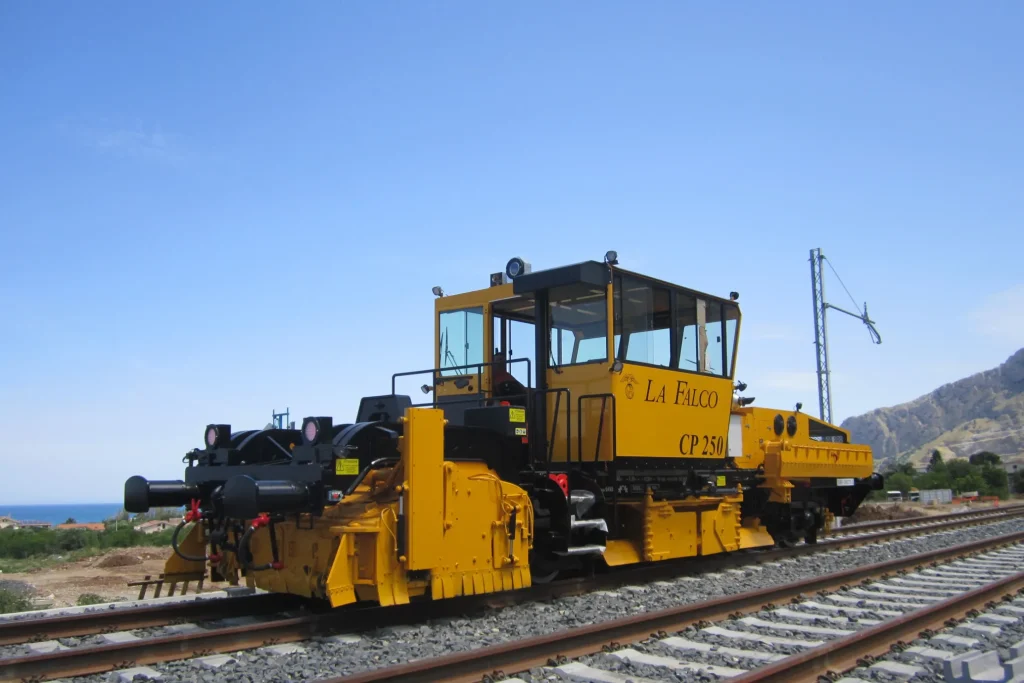
This blog post will explore everything you need to know about railway ballast. We will begin by defining ballast and discussing the commonly used materials. We will also highlight the importance of ballast in providing resistance against loads and its crucial role in railway infrastructure maintenance. During track maintenance, a ballast regulator machine is used to distribute, shape, and profile the ballast along the railway track. Additionally, we will cover specific details such as the typical ballast weight, its profile, and the maintenance practices that ensure its longevity and effectiveness.
What Is Railway Ballast and Why Is It Important?
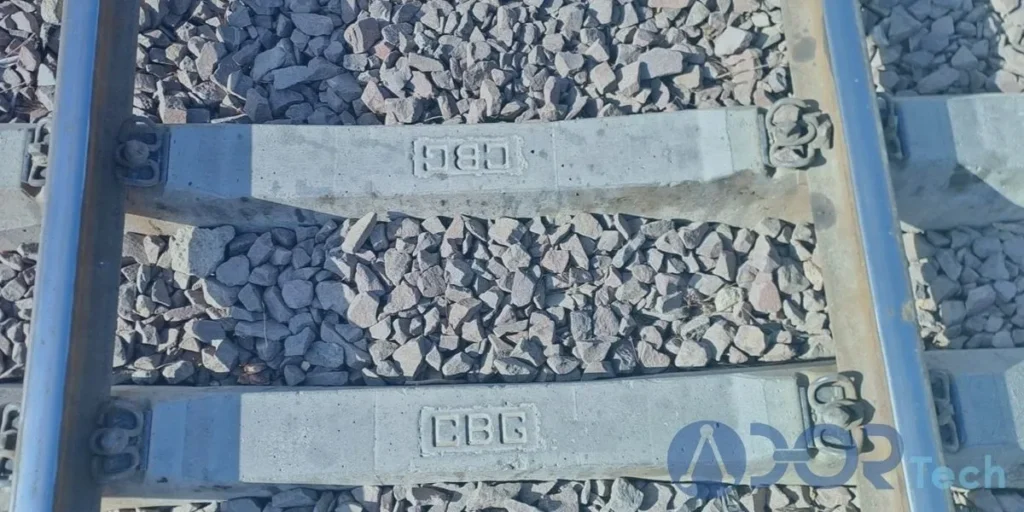
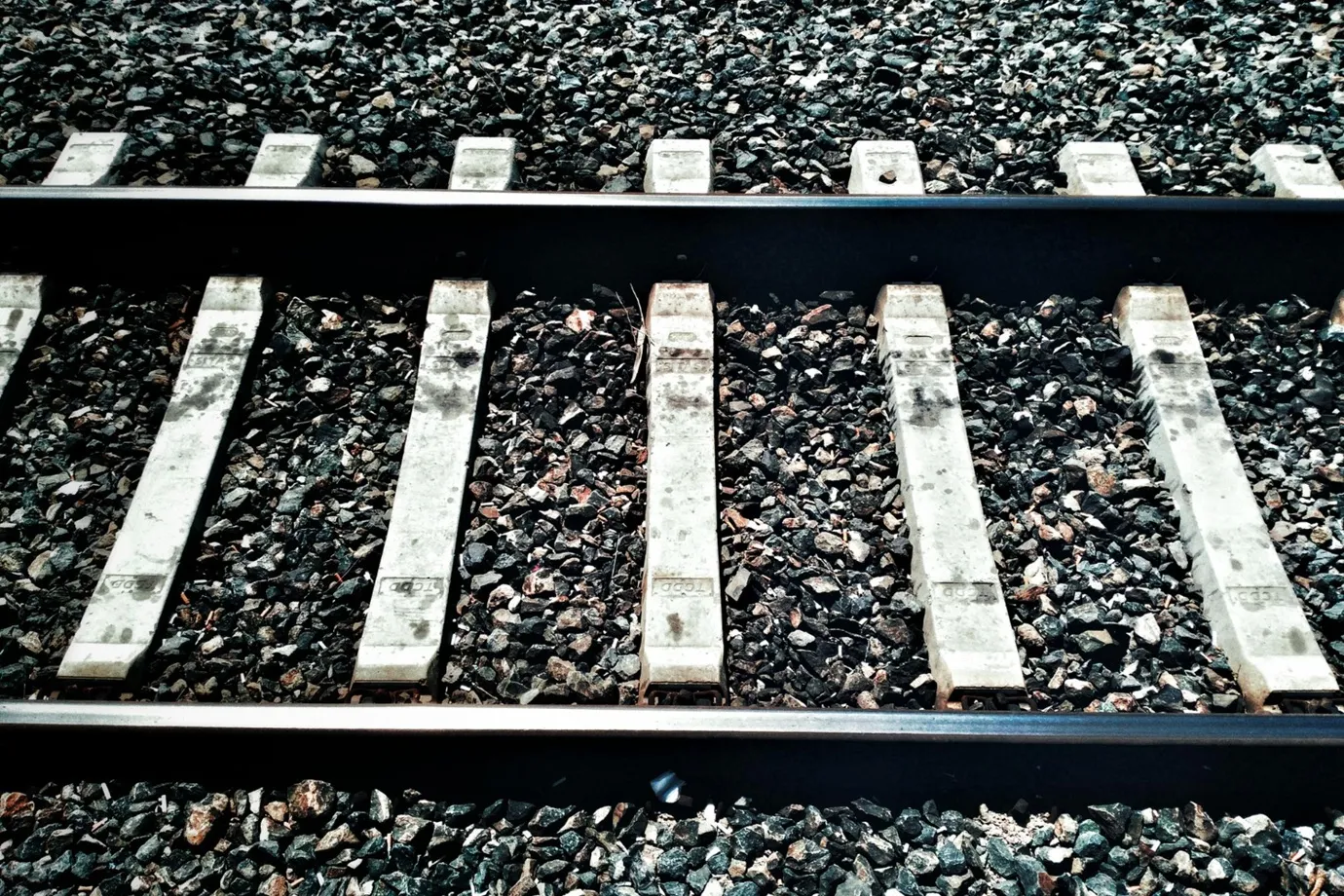
Ballast on railway track consists of a layer of coarse, granular material positioned beneath and around railroad tracks. Its main purpose is to uphold the tracks and maintain their position when trains travel over them. Usually produced from crushed stone, gravel, or similar materials, ballast provides a secure base, aiding the even distribution of the trains’ weight across the track bed. This prevents the tracks from shifting and ensures a smooth and safe journey for trains.
Ballast is crucial for maintaining track integrity, especially in challenging weather conditions, by aiding drainage and preventing water accumulation. Furthermore, it helps minimize vibrations from passing trains, which can contribute to track and train wear and tear, thereby extending the life of the railway infrastructure.
The significance of railway ballast cannot be emphasized enough. Without it, tracks would be susceptible to movement and misplacement, resulting in possible derailments and safety risks. Furthermore, the upkeep of ballast is quite simple, making it a feasible option for maintaining and safeguarding railway tracks. Grasping the role and significance of ballast is crucial for anyone with an interest in the operations of railway systems.
Why is Ballast Used on Railways?
Ballast is a vital component of railway infrastructure, playing several key roles that ensure trains’ safe and efficient operation. Primarily composed of crushed stone, gravel, or similar materials, ballast is laid beneath and around railway tracks. Its main functions include providing stability, facilitating drainage, reducing vibrations, and distributing loads. By understanding why ballast is used on railway tracks, we can appreciate its importance in maintaining the integrity and longevity of the track system. Below, we will explore the reasons for using ballast in more detail, covering stability and support, drainage, vibration reduction, and load distribution.
Stability and Support
Ballast keeps railway tracks stable and securely in place. Its weight and distribution prevent lateral movement and misalignment of the tracks, which is essential for safety. Properly maintained ballast ensures that the tracks remain in their correct position even under the heavy loads exerted by passing trains. This stability is crucial to avoid derailments and maintain smooth train operations.
Drainage
Adequate drainage is another critical function of ballast on railway tracks. The granular nature of ballast allows water to drain away from the tracks, preventing accumulation and potential water damage. Good drainage is vital for maintaining the integrity of the track structure, especially in areas prone to heavy rainfall or flooding. By keeping the tracks dry, ballast helps to prevent the formation of mud and the weakening of the railway foundation.
Vibration Reduction
The ballast also plays a significant role in reducing the vibrations caused by passing trains. These vibrations can lead to wear and tear on the tracks and the train components. The ballast absorbs and dissipates these vibrations, contributing to a smoother and quieter ride. This extends the life of the railway infrastructure and enhances the comfort of passengers and the efficiency of freight transport.
Load Distribution
Another essential role of ballast is load distribution. Ballast spreads the load from the trains evenly across the subgrade, reducing the stress on any single point of the track structure. This distribution helps to prevent the deformation and failure of the track bed under the heavy weight of passing trains. By distributing the load effectively, ballast ensures the longevity and durability of the railway tracks, making it possible to handle the significant pressures exerted by modern trains.
Types of Railway Ballast Materials and Their Properties
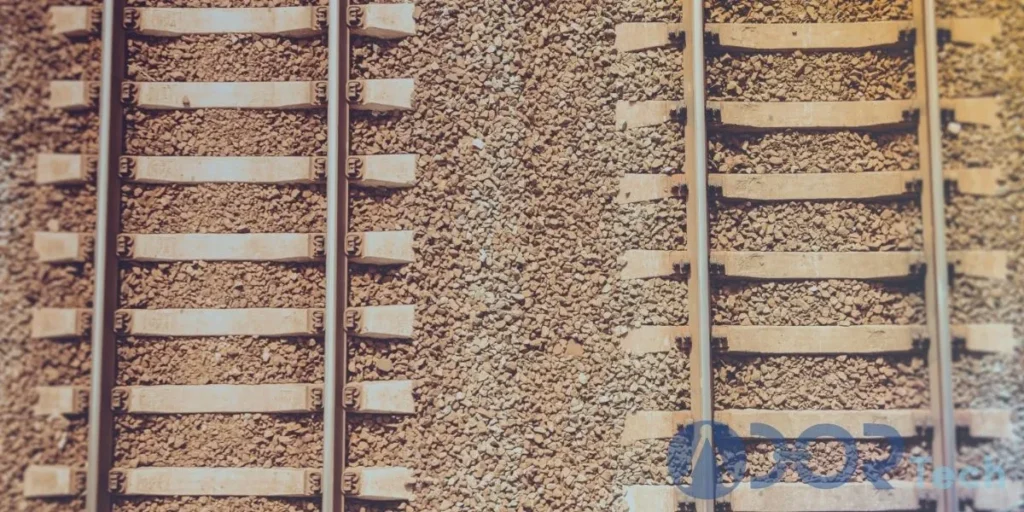
Railway ballast is typically composed of materials that provide the necessary support and stability for railway tracks. The primary materials used for railway ballast include crushed stone, gravel, and slag. These materials are chosen for their durability and ability to withstand the weight and pressure of passing trains. Each material has unique properties that make it suitable for use as ballast, ensuring the tracks remain stable and aligned under heavy loads.
Types of Materials
1– Crushed Stone: The most common material used for railway ballast.
2- Gravel: Although it is less common than crushed stone, gravel is sometimes used in railway ballast.
3- Slag: Slag has similar properties to crushed stone but can be more cost-effective.
Properties of Good Ballast in Railway Engineering
Ballast on railway tracks can effectively support and stabilize railway tracks using materials with these properties, ensuring safe and efficient train operations. Understanding the types of materials and their essential properties is key to maintaining a reliable and durable railway infrastructure. Below is a list of properties that should be considered for ballast on railway tracks:
- Durability
- Hardness
- Angularity
- Size and Gradation
- Drainage
- Cleanliness
- Non-degradable
Railway Ballast Profile and Track Structure Design
Maintaining the correct ballast profile is crucial for optimal track performance. A well-defined profile ensures that the ballast provides adequate support and stability to the tracks, preventing lateral or vertical movement. Ballast profiling, tamping, cleaning, and inspection are therefore important parts of a complete rail track maintenance program. This stability is essential for keeping the tracks aligned and reducing the risk of track defects.
Maintaining the correct ballast profile is crucial for optimal track performance. A well-defined profile ensures that the ballast provides adequate support and stability to the tracks, preventing lateral or vertical movement. This stability is essential to keep the tracks aligned and to prevent derailments. Additionally, a proper ballast profile facilitates effective drainage, preventing water accumulation that can weaken the track structure. Regular maintenance of the ballast profile helps distribute the loads evenly, reducing the wear and tear on the tracks and extending the lifespan of the railway infrastructure.
Railway Ballast Density, Weight, and Specifications
Railway ballast typically weighs between 1,600 and 1,800 kilograms per cubic meter, depending on the material used. This weight ensures that the ballast can effectively anchor the tracks and support the heavy loads that passing trains impose. For example, a standard section of track with a ballast layer about 30 centimeters deep can weigh around 480 to 540 kilograms per square meter. This substantial weight contributes to the stability and robustness of the railway tracks, helping to prevent any movement or misalignment.
Several factors can influence the weight of railway ballast. The type of material used is a primary factor; for instance, granite and limestone are commonly used due to their high density and durability, contributing to the ballast’s overall weight. Additionally, moisture content significantly affects the weight of ballast. Ballast that has absorbed water will weigh more than dry ballast because water adds to the overall mass. The cleanliness of the ballast also plays a role; ballast free of fine particles and debris will have a more consistent weight than ballast containing dirt and other contaminants.
Railway Ballast Maintenance Methods and Best Practices
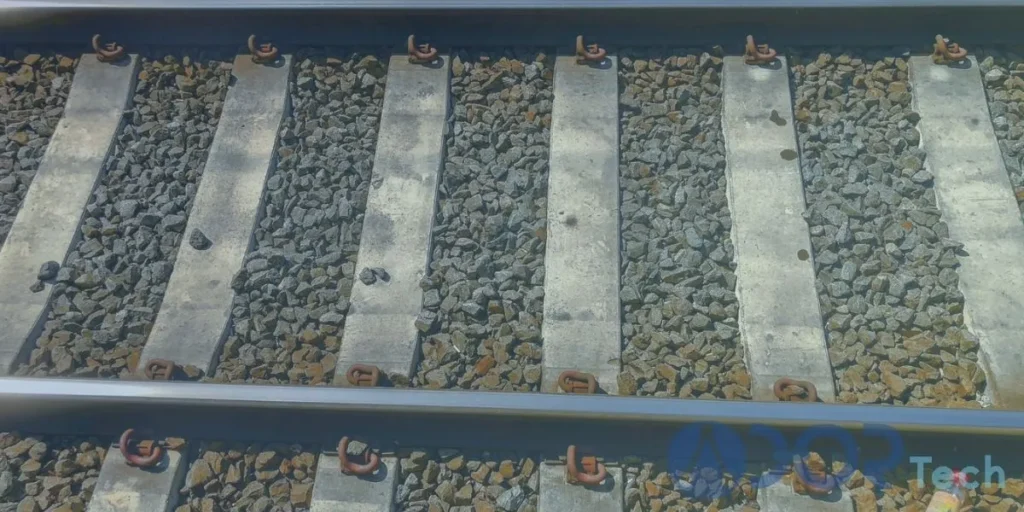
Maintaining ballast on railway tracks is crucial for ensuring the stability and longevity of the tracks. Effective railway ballast maintenance methods involve regular inspection, tamping, ballast cleaning, profiling, and the replacement of degraded material. Over time, ballast can become contaminated with fine particles, dirt, and debris, reducing its drainage capacity and load-bearing performance.
When ballast becomes loose or uneven, a railway tamping machine packs the material beneath the sleepers to restore the correct track geometry, improve load distribution, and provide stable support for the rails.
Ballast renewal is sometimes necessary, especially in heavily trafficked areas where the ballast undergoes significant wear and degradation. During renewal, the old ballast is removed and replaced with new material. This process is often combined with track renewal projects to ensure the entire track structure is maintained to the highest standards.
Conclusion: Why Railway Ballast Is Critical for Track Performance?
In conclusion, ballast on railway tracks plays a vital role in ensuring trains’ safe and efficient operation. This seemingly simple layer of crushed stone or gravel is the foundation that supports the entire rail infrastructure. Without ballast, tracks would quickly become misaligned and unstable, posing severe safety risks.
Throughout this comprehensive guide, we have explored various aspects of railway ballast, from its materials and properties to its functions in providing stability, drainage, vibration reduction, and load distribution. We have also delved into the crucial topics of ballast profile, weight, maintenance practices, and environmental considerations.
Rail ballast is typically made from durable, angular stones such as granite, limestone or basalt. These materials interlock well to resist movement, drain water effectively and withstand repeated compression under heavy trains. Alternatives like gravel or slag may be used where cost or local availability dictates, but they often offer less locking ability or durability.
The gaps between ballast stones create channels that allow rainwater to seep away from the track, preventing waterlogging and subgrade erosion. The ballast also absorbs and dissipates vibrations generated by passing trains, reducing wear on rails, sleepers and rolling stock and improving ride comfort.
Quarrying and transporting stone for ballast can disturb habitats and produce noise and dust. Used ballast may accumulate oils, metals or other contaminants that can leach into soil and water. Sustainable approaches include recycling cleaned ballast, sourcing materials responsibly and carefully managing disposal to minimize ecological impact.