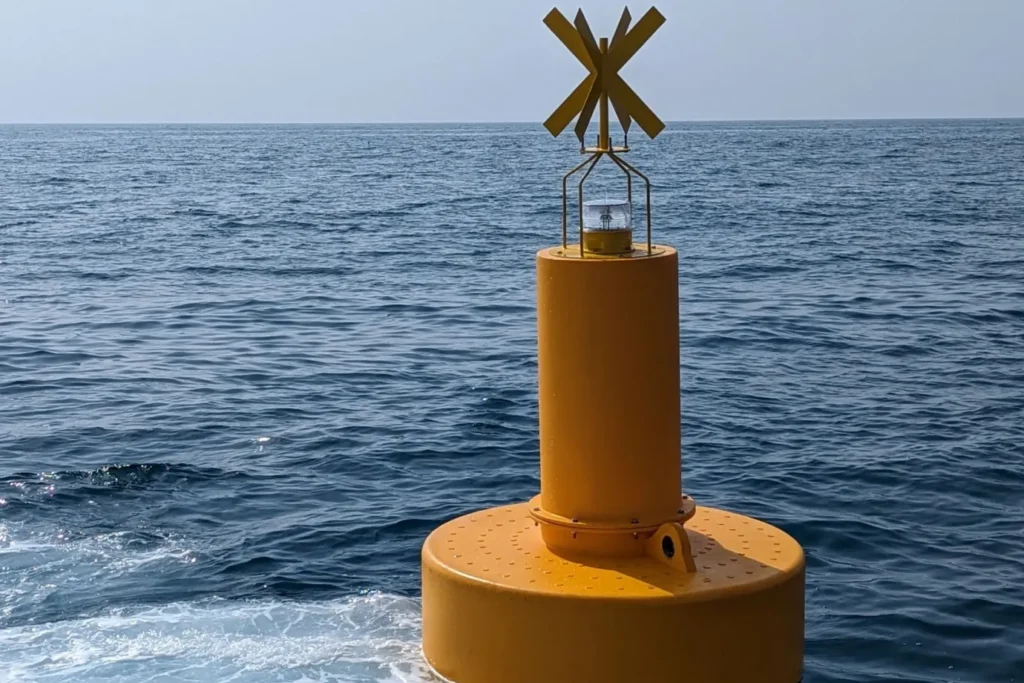
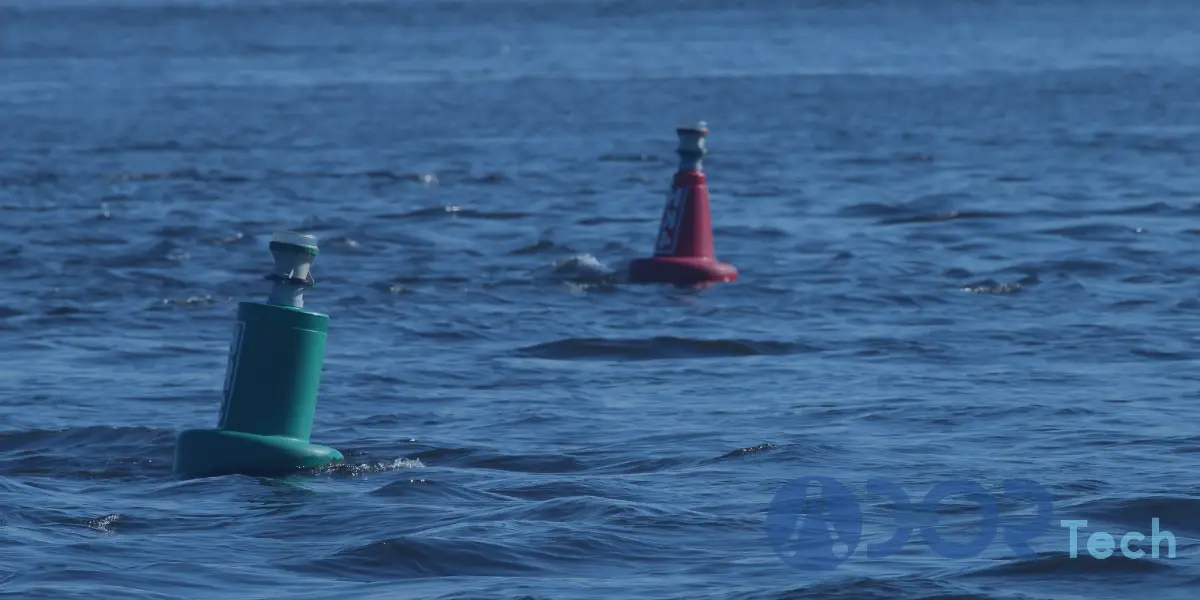
Red and green buoy meaning widely depends on the IALA standards for each region. In region A, red buoys mark the port side when entering a harbor, while green buoys mark the starboard side. In Region B, the system is reversed: green buoys mark the port side, and red buoys mark the starboard side. But it is not just about the color of buoys; their shape and top marks also carry different meanings. This blog post will take you to the world of navigation buoys, discussing deeper about what do green and red buoys mean worldwide and how do they can be considered as aids to navigation tools.
What Red & Green Markers Mean: Colors, Shapes, and Top Marks
To understand what do green and red buoys mean, we should learn IALA regions first. IALA stands for International Association of Marine Aids to Navigation and Lighthouse Authorities, developing standards and guidance for marine aids to navigation worldwide. IALA divides its system into two regions: region A includes Africa, Asia, Australia, and Europe while region B covers Americas, Japan, South Korea, and Philippines. The IALA standards are reversed in these two regions.
Marine Navigation buoys are categorized into different types based on their applications. Cautionary buoys warn mariners about hazards or special activities, while lateral buoys indicate navigable routes in ports and channels, including green and red navigation buoys. The buoys that are the sign of entering the open sea are typically called port buoys, port-hand buoys, or port-hand marks while the buoys that are the sign of exiting the open sea are often called starboard buoys, starboard-hand buoys, or starboard marks. In region A, port-hand buoys are red and starboard buoys are green. In region B, port-hand marks are green and starboard marks are red.
How Do Shape and Color Work Together in Lateral Buoys?
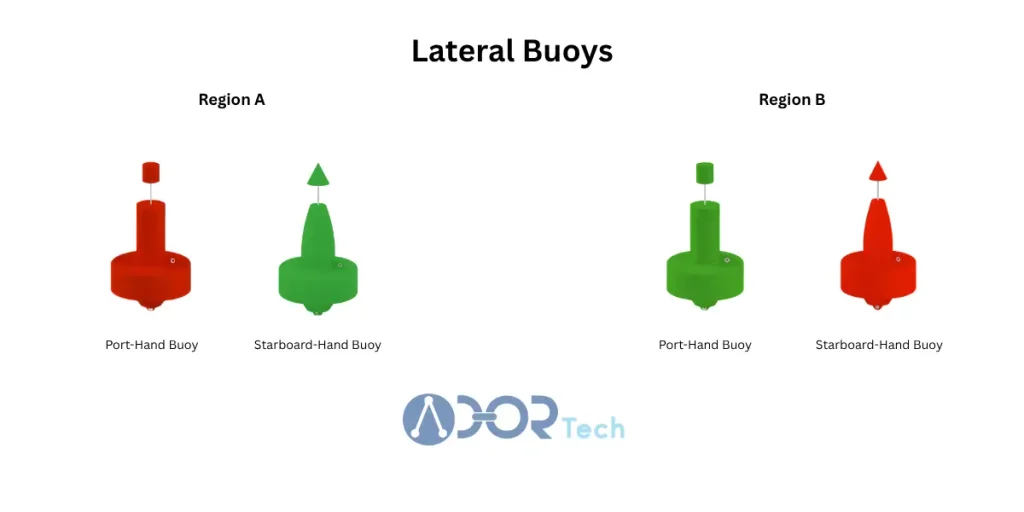
When it comes to the question “what do green and red buoys mean?”, typically the focus will turn to their colors. But color is only one of the items that define the characters of lateral buoys. Whether green or red, port-hand marks are designed with a square-shaped body (like a can) with a square-shaped top mark. This is why port marks are also known as can buoys. Starboard buoys, on the other hand, are designed with a cylinder-shaped body with the triangle top mark. However, top marks can be removed in small ports and just follow the correct colors. They can also be equipped with marine lanterns with the same color to increase visibility at night or fog.
What Does Red Right Returning Mean?
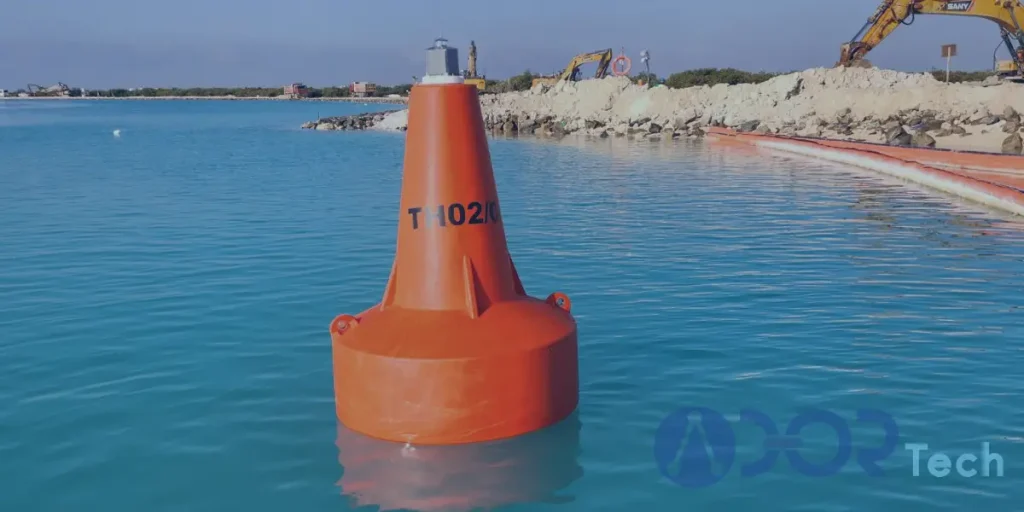
There is a rule in IALA region B, which is called “Red Right Returning”. The term “Returning” refers to when you head back from the open sea to the port, harbour, or upstream. If you return, the starboard-hand buoys should be on your right side and the port-hand buoys should be on your left side. In other words, starboard marks are red in region B and when you return from the open sea, you should see the red buoys on your right side while the green port marks should be kept on your left side. In IALA region A, this rule is not working, and you should see green buoys on your right side during returning.
How Do Buoy Numbers Help You Determine Direction?

Buoy numbers act like a map in navigation. These numbers typically begin from the seaward entrance toward the harbour or upstream. In other words, the higher numbers indicate that you are travelling inward while lower numbers mean that you are heading toward open water. This is a general rule in both IALA region A and B. But the buoys that carry odds and even numbers differ in each region. In region A, green buoys have even numbers and red buoys have odd numbers. However, green buoys have odd numbers and red buoys have even numbers in region B. Therefore, when you return from open water, you should see red buoys on your right side with 2, 4, 6, 8, and so on, and also green buoys on your left side with 1, 3, 5, 7, and so on as much you move toward the harbour or upstream.
What Are Striped Red and Green Buoy Meaning?

When a channel divides into two branches, you can pass on either side, but striped red and green buoys guide you on how to pass. These buoys are called preferred-channel buoys, which are also known as junction or bifurcation buoys. The topmost color in these striped red and green buoys defines the preferred side or main channel as well.
| Region A | Region B | |
| Red Over Green | To the right | To the left |
| Green Over Red | To the left | To the right |
In region A, the red over green striped buoys mean that you should keep the buoy on your left side while the green over red striped buoys indicate that you should keep the buoy on your right side. In region B, on the other hand, the red over green striped buoys mean you should keep the buoy on your right side while the green over red striped buoys indicate that you should keep the buoy on your left side.
Navigation Buoys vs. Channel Markers: Is There a Difference?
To understand what the difference between navigation buoys and channel markers is, let’s define each concept first. Navigation buoys are a type of marine buoys designed as aids to navigation tools.
Navigation buoys should not be confused with mooring buoys, which provide a fixed point for securing vessels rather than guiding navigation. Channel marker, however, is a more general concept that refers to any aids to navigation tools, including buoys, beacons, lighted posts, etc. So, navigation buoys are a kind of channel marker. Lateral buoys, including red and green buoys, are a type of navigation buoys that can be channel markers used to guide vessels in traveling.
What Should You Do If a Buoy Is Missing or Off Station?
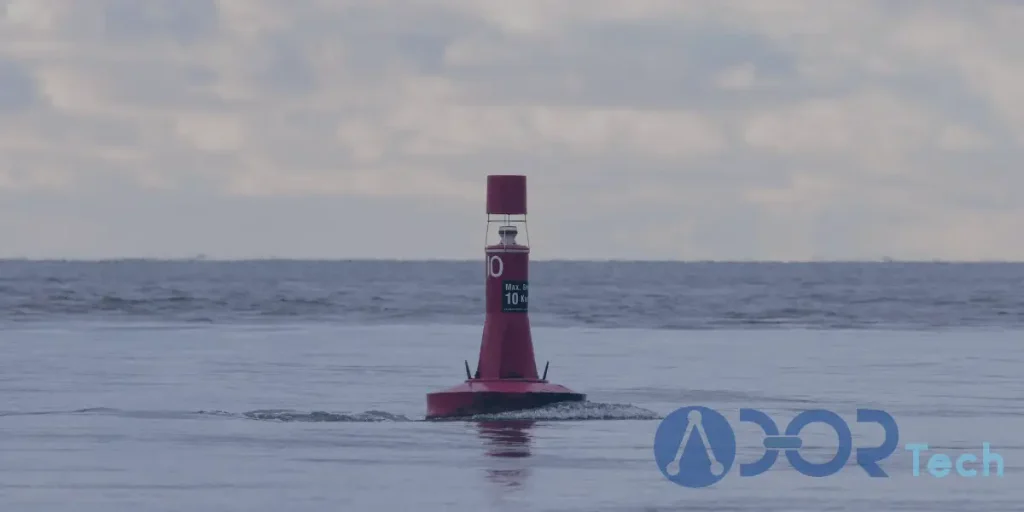
Red and green buoys play a critical role in providing safe navigation. But they are missing or off station, in such cases, you should reduce the speed and remain in the last known safe water or turn back if you cannot confirm the safe route. You can use the following sources to verify your position safely instead of buoys:
- GPS position
- Fixed shore-based aids or landmarks
- Navigational warnings
- Current nautical chart or electronic chart
Conclusion
What do green and red buoys mean? You may see green and red marks near the ports and channels that wonder what they are used for. These green and red marks are lateral buoys, widely used as aids to navigation tools, guiding vessels on traveling safely. The red and green buoy meaning differ in IALA region A and B. In region A, green buoys stand for starboard marks, and red buoys mean port marks while in region B, green buoys indicate port-hand and red buoys are starboard-hand. Understanding what do red and green buoys mean is not just about the colors, it is also related to their shapes, top marks, and even numbers. This blog post explains what red & green markers mean in detail, providing you with anything you need to have safe navigation.
FAQs
Red and green buoys can be equipped with marine lanterns with the same color to ensure they are totally visible at night, fog, or whenever they might be not identified because of low visibility.
There is no universal passing distance. A vessel should remain within the charted channel while allowing enough clearance for current, wind, traffic and the buoy’s movement around its anchor.
When leaving a harbor or travelling downstream toward open water, the buoy positions appear reversed because you are moving against the conventional direction of buoyage. Buoy numbers also generally decrease as you travel toward open water.