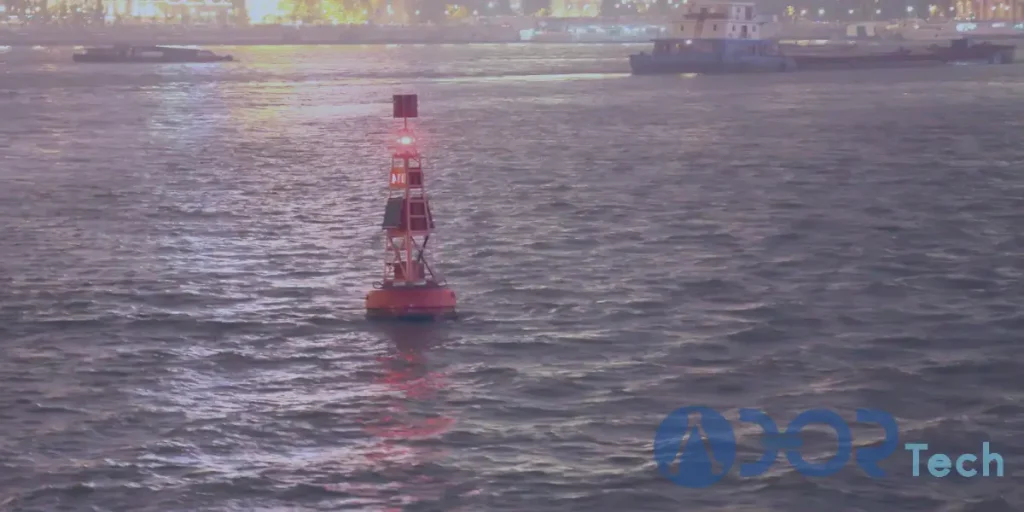
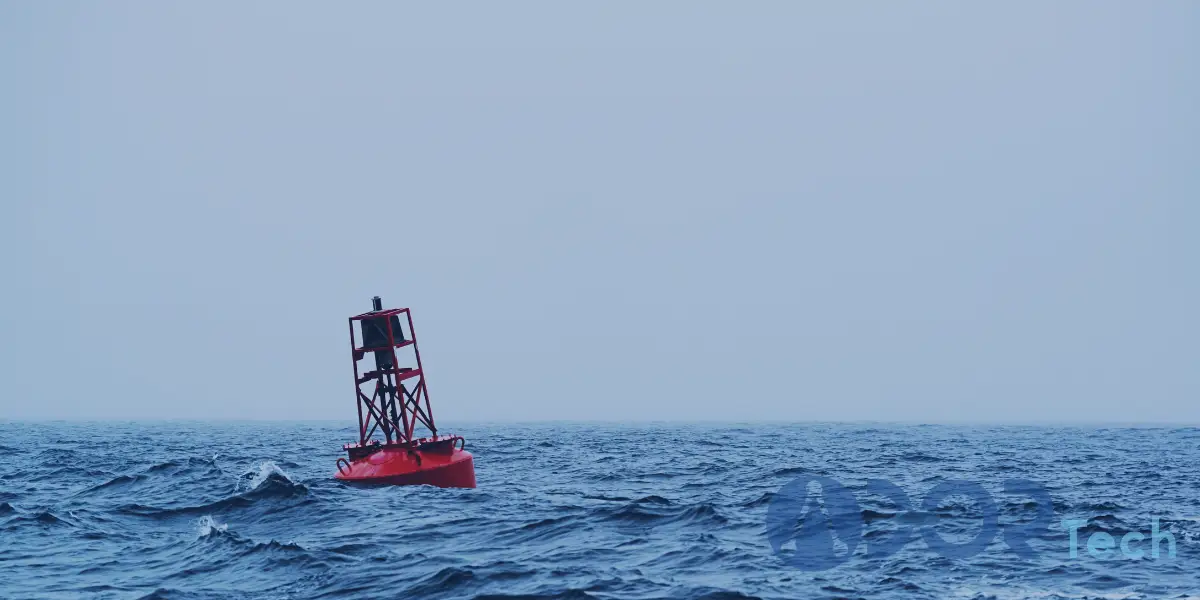
Virtual buoy and navigation buoy in Canada are two main aids to navigation (AtoN) tools that help to identify the safe routes for navigation. Navigation buoys are floating devices used to mark channel routes, hazards, or areas where require caution for navigation while virtual buoy is a digital navigation mark which specifies the areas or locations where navigation buoys cannot be installed or placed. Actually, virtual buoy can be considered as the digital format of navigation buoys. This blog post will define what virtual buoy and navigation buoy are and their most crucial applications. We will also compare them with their key differences.
What Is Virtual Buoy?
Virtual buoy is a digital aid to navigation (AtoN) system that virtually indicates the locations where are hazards, channel boundaries, or areas that are necessary to be marked for mariners and navigators. Virtual buoy is displayed through the Automatic Identification System (AIS) of vessels and therefore, it is also known as virtual AIS buoy or virtual AIS aid to navigation (AtoN). The AIS is equipped with receivers that indicate the signals through display, so the position, name, and type of the navigation mark is provided for mariners. For instance, a virtual lateral mark identifies the channel sides, or a virtual cardinal buoy marks the direction of safe water. The virtual aids to navigation are defined based on the International Association of Marine Aids to Navigation and Lighthouse Authorities (IALA) standards.
What Is Navigation Buoy?
Navigation buoy is a floating device used to mark specific areas, channel sides, and hazards generally to ensure safe navigation for mariners. The navigation buoy is deployed on the water and anchored at the bottom to the seabed to remain in place or move limitedly. The color, top mark, and meaning of the navigation buoys are defined by International Association of Marine Aids to Navigation and Lighthouse Authorities (IALA).
Types of Navigation Buoys .
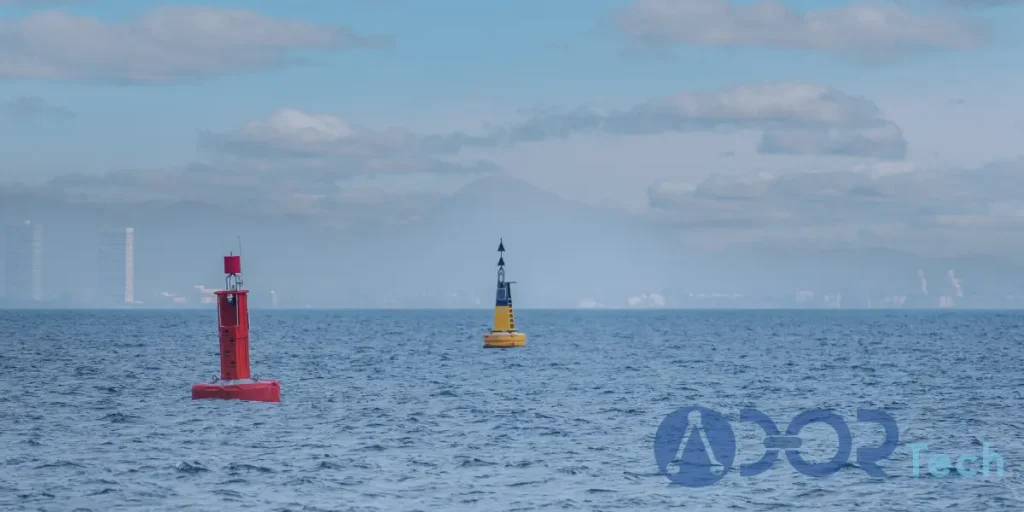
Navigation buoys are classified into three main types based on their applications. Although all the navigation buoy types are aimed to provide safe navigation, each of them is designed specifically for an aid to navigation (AtoN) purpose. Here are the main types of navigation buoys commonly used:
Lateral Buoys
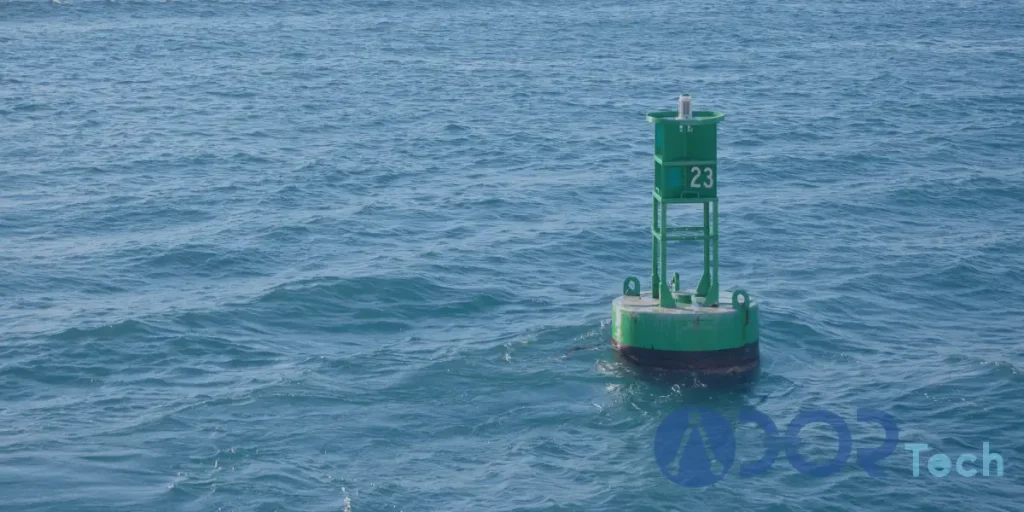
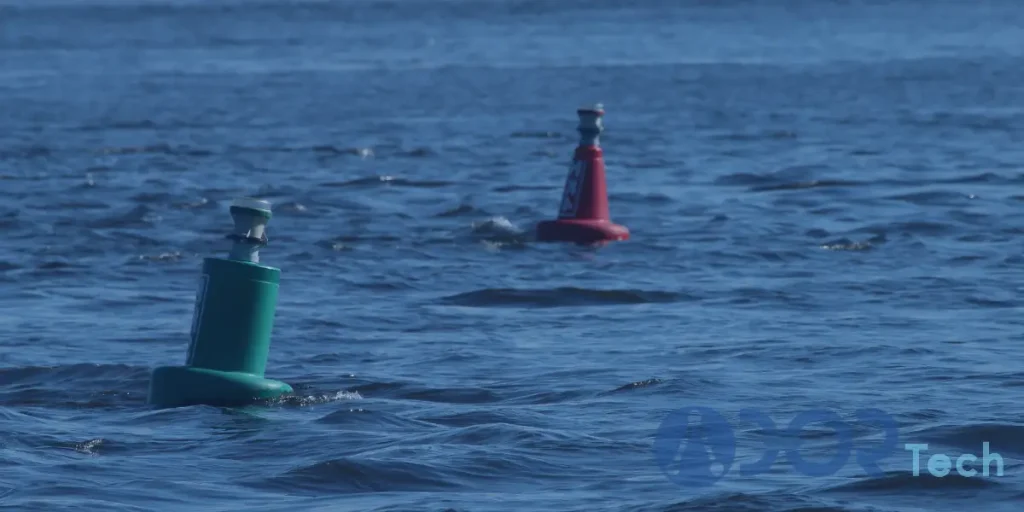
Lateral buoy is a type of navigation buoy used to define the channel sides. In IALA region A, port side is defined by a red can-shaped buoy with a red can-shaped top mark and starboard side is specified by a green cylinder buoy with a green cylinder top mark. In IALA region B, on the other hand, port side is indicated by a green can-shaped buoy with a green can-shaped top mark while starboard side is defined by a red cylinder buoy with a red cylinder top mark.
Cardinal Buoys
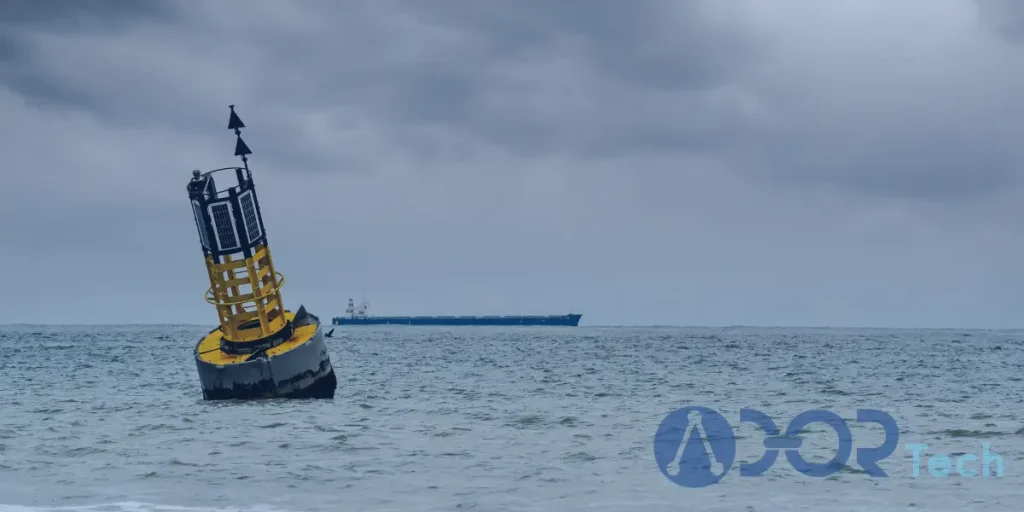
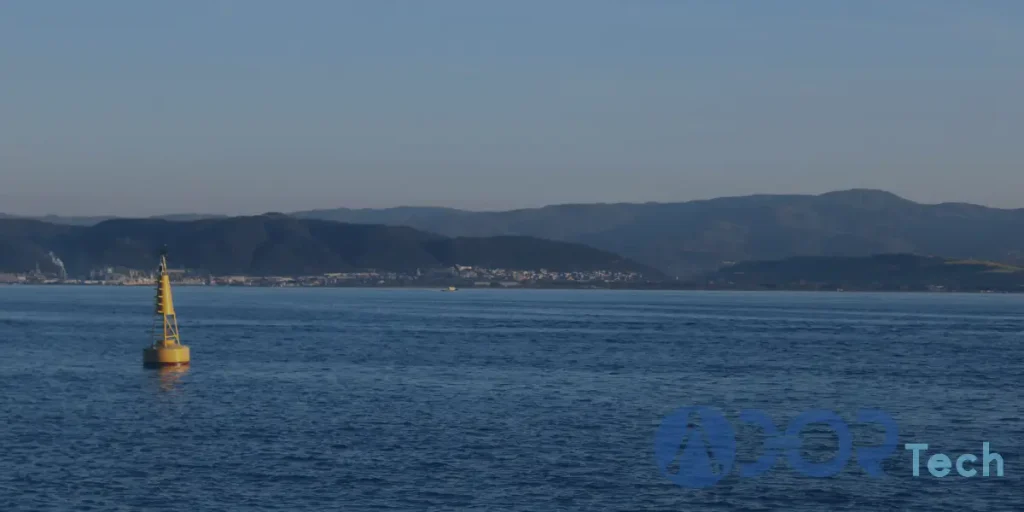
Cardinal buoy is another type of navigation buoy used to indicate the four main directions of North, South, East, and West. They play a crucial role in defining the safe navigation route for the mariners. Cardinal buoys are designed in black and yellow colors generally: black top and yellow bottom indicate North; black bottom and yellow top indicate South, yellow top and bottom with black in the middle indicate West; and black top and bottom with yellow in the middle indicate East.
The top mark used for each direction is also different: two upward black cylinders indicate North, two downward black cylinders indicate South, two inward black cylinders indicate West, and two outward black cylinders indicate East. The color and top marks of cardinal buoys are same in both IALA region A and B.
Special Marker Buoys
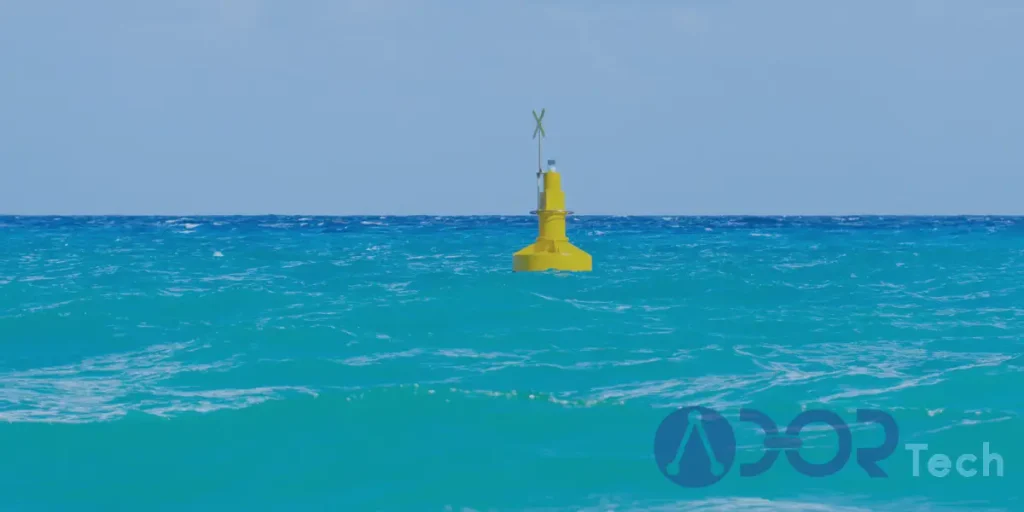
Special marker buoy, also known as special purpose buoy, is often used to warn mariners to navigate with more caution or even not navigate in a specific area. In other words, special marker buoys mark the hazardous objects or areas to warn mariners. Provided in four main types, each type of special purpose buoy is used to mark a specific hazard:
| Cautionary Buoy | Marking areas that may require more caution |
| Isolated Danger Buoy | Marking small, isolated hazards (e.g., rocks) |
| Safe Water Buoy | Marking the navigable water |
| Emergency Wreck Buoy | Marking the newly discovered wrecks |
4 Key Differences of Virtual AIS Buoy and Navigation Buoy
Virtual AIS buoy and navigation buoy are two completely different tools both with the same purpose: aid to navigation (AtoN). Both virtual buoy and navigation buoy are used to mark the channel sides, safe routes, and hazards but in different ways. However, here we will compare these two aids to navigation (AtoN) tools based on their key differences:
Navigation Mark Type
Virtual aids to navigation are a digital platform where mariners can see the marked-up locations and areas. A virtual buoy actually uses the Automatic Identification System (AIS) that indicates the marked locations via a display. Navigation buoy, conversely, refers to the physical floating devices used to mark areas or boundaries. Therefore, virtual AIS buoy is a digital system while the navigation buoy is physically placed and installed on the water.
Identification Method
Mariners should identify a virtual buoy through its appearance on a compatible navigation display through AIS broadcasts. However, to identify a navigation buoy, it is required to understand IALA standards for the region you navigate (A or B). Mariners should identify a navigation buoy by detecting its color, top mark, shape, light color, and flashing pattern.
Deployment & Needed Equipment
Virtual AIS buoy is an electronic broadcast that requires receivers to catch the signals and a display to indicate the marked-up areas. Navigation buoy, on the other hand, is required to deploy on the water, anchoring at the bottom to the seabed to remain in fixed position or at least limit its movements. Navigation buoys also needed to be equipped with accessories, such as top marks, marine lanterns, and warning signages (if necessary).
Main Applications
Although both virtual buoy and navigation buoy are used for aid to navigation at the end, but their main application may be differed. Virtual aids to navigation are typically used for hazard marking, temporary changes, and locations where physical buoys are difficult to maintain while navigation buoy is mostly efficient for ongoing visual marking of channels, hazards, and designated areas.
Virtual Aids to Navigation or Physical Navigation Buoys: Which One Is Better?
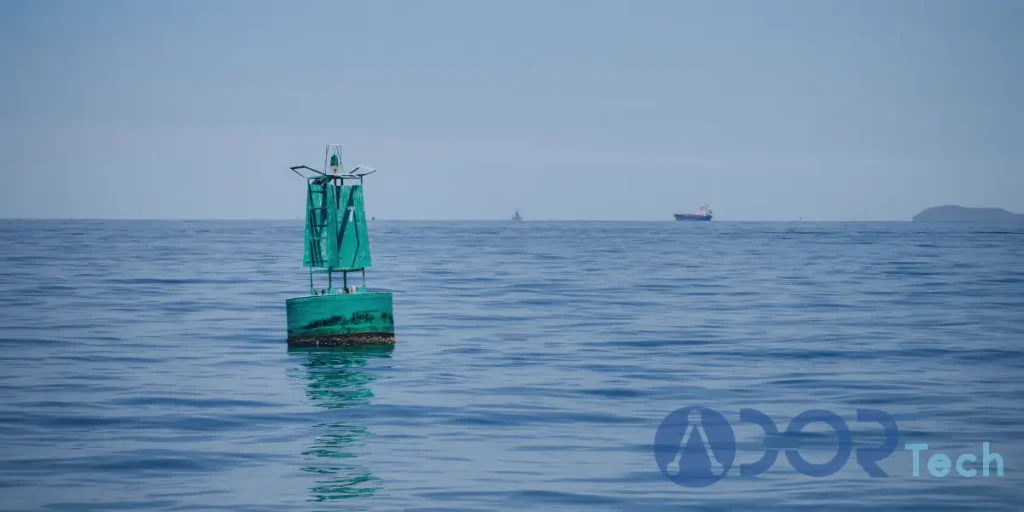
Virtual aids to navigation and physical navigation buoys both provide limitations and benefits. Therefore, choosing a method depends on the location and vessels. Navigation buoys are generally better for serving a wide range of vessels, because mariners can see them without AIS equipment. They are particularly useful where small boats and recreational vessels operate. However, virtual AIS buoys are useful for rapidly marking new hazards or locations, where installing and maintaining physical buoys is difficult, provided vessels have compatible AIS receiving and display equipment.
Conclusion
Virtual buoy and physical navigation buoy serve the same purpose of guiding vessels but suit different needs. Physical buoys provide visible guidance without requiring onboard electronic equipment, while virtual buoys support rapid hazard marking and locations where physical deployment is difficult. The choice depends on site conditions, the vessels using the waterway, and their navigation equipment. Used together, they can provide complementary visual and electronic guidance.
Can Virtual Buoy Replace Physical Navigation Buoy?
In some locations, virtual buoy can provide an alternative, but they cannot serve vessels without compatible AIS receiving and display equipment. The choice requires an assessment of local navigation needs.
Do Virtual Buoys Require Equipment on Board?
Yes. Mariners need AIS receiving equipment and a compatible navigation display. Physical navigation buoys can be identified visually without electronic equipment.
Which Type Requires More Maintenance?
Physical buoys require maintenance of their bodies, moorings, and fitted equipment. Virtual buoys avoid these tasks at the marked location, but their transmitting infrastructure and broadcast information still requires upkeep.
Can Virtual and Physical Navigation Buoys Be Used in the Same Waterway?
Yes. They can mark different locations within the same navigation system, combining visible guidance with electronic information.