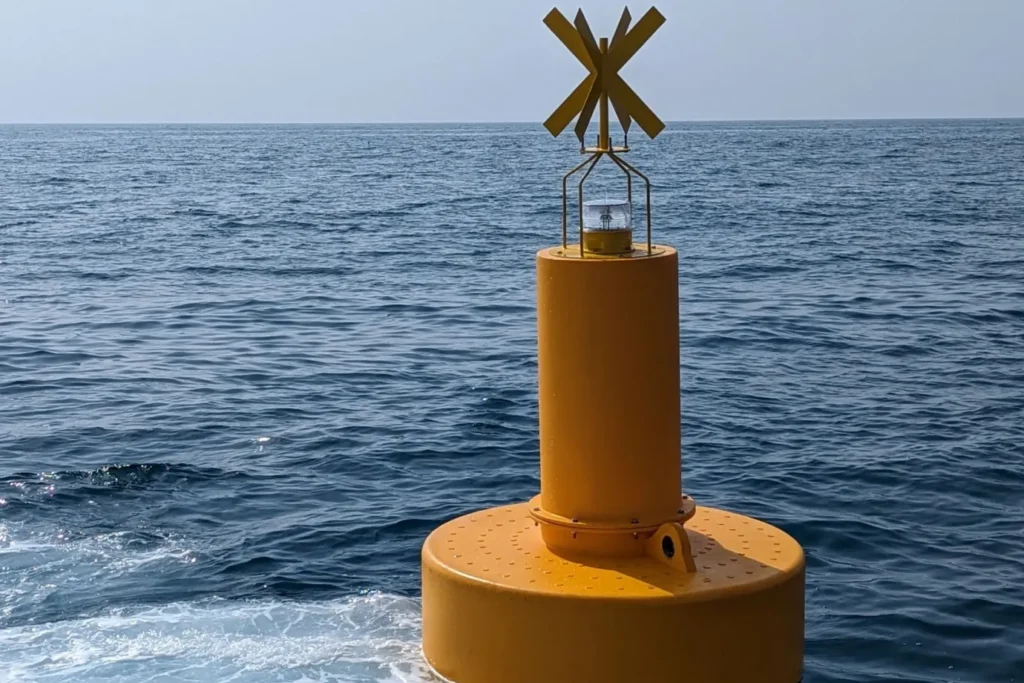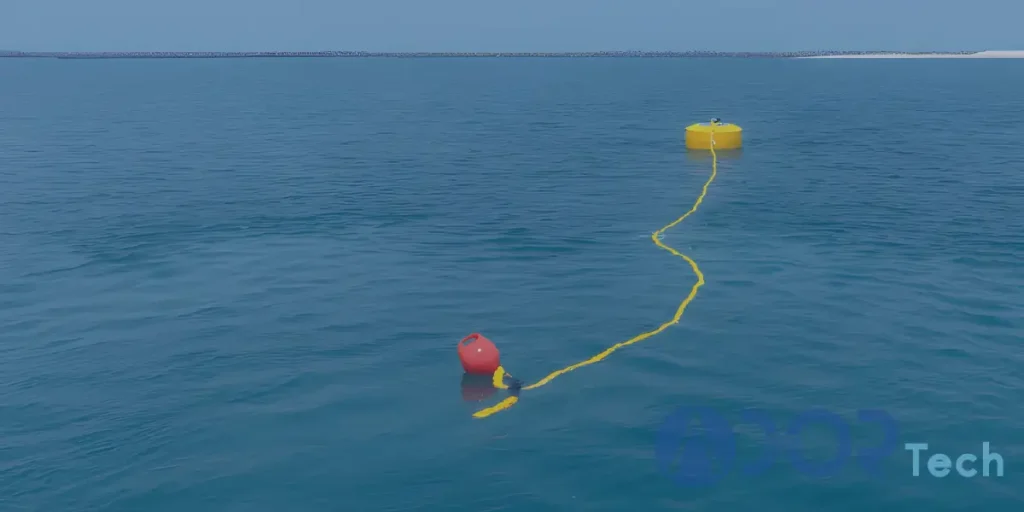
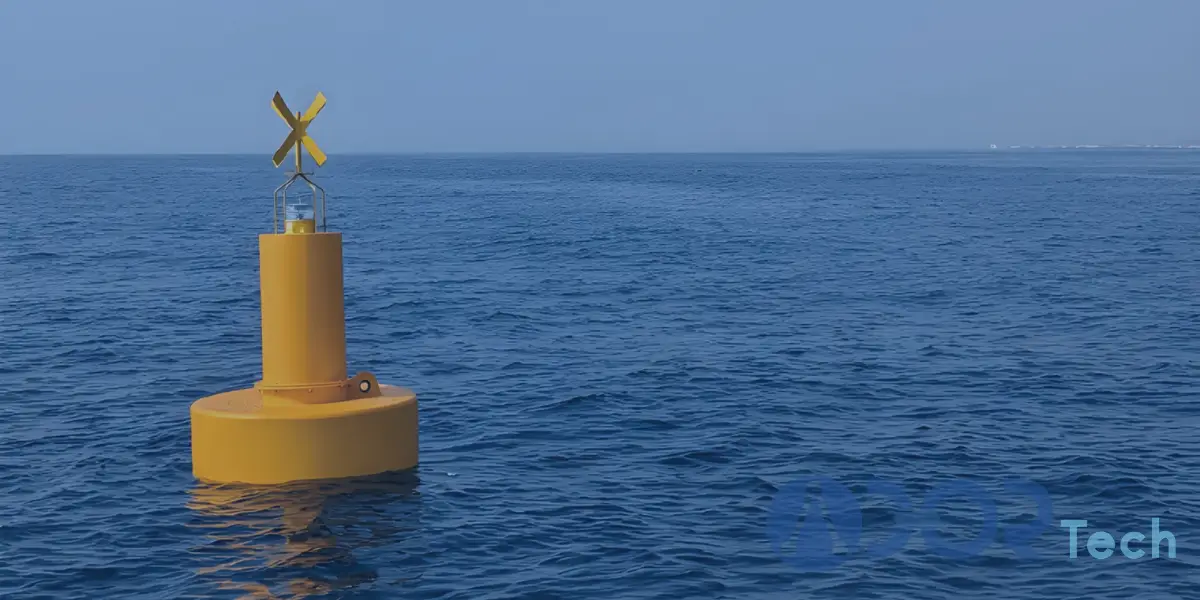
Yellow buoys are a type of marine navigation buoys used to mark the special areas, such as restricted zones, hazardous objects, anchorage, and construction sites. But yellow buoy meaning can be dependent on its shape and top mark. This blog post will dive into the world of yellow buoy marker meaning and its common shapes, designs, applications, and anything you should need to know for safer navigation. Moreover, we learn what does yellow buoy mean in Canada, United States, and other countries based on the IALA and regional standards.
What Does Yellow Buoy Mean?
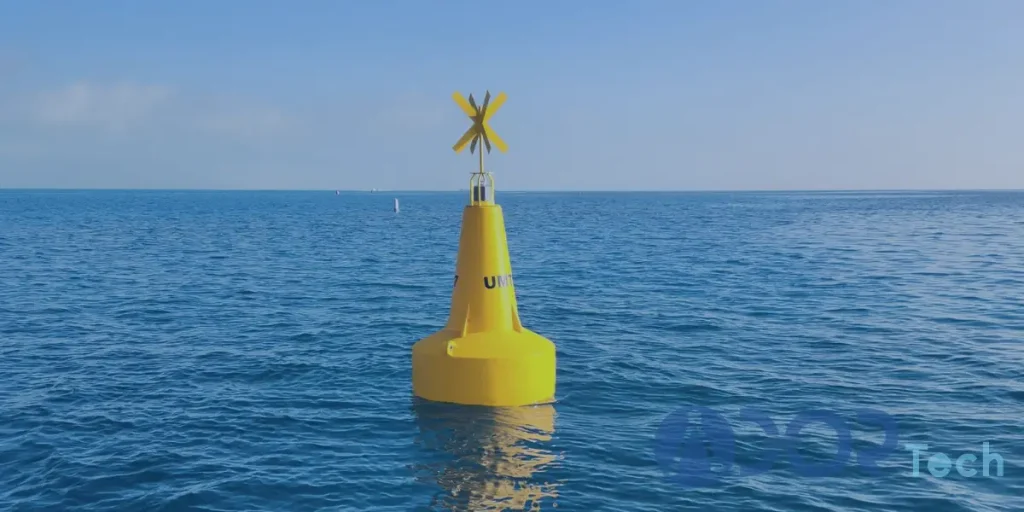
Yellow typically reminds us of danger. This concept applies to marine navigation, too. Yellow buoys, also known as special mark buoys, are used for demarcation and signal that navigation in these areas may be hazardous. However, yellow buoy meaning widely depends on its design. These buoys can be manufactured in small sizes for shallow water and coastal zones, marking the swimming or boating areas while the large-size yellow buoys are used as aids to navigation tools. Equipped with yellow marine lanterns, special mark buoys enable better visibility at night or weather conditions where their visibility may be disrupted, such as fog and storm. Yellow buoys can be designed with different top marks. These top marks are generally X-shaped or spike, acting as warning signs on the top of the buoys to improve their visibility.
What Does a Yellow Buoy Mark? 6 Key Applications
Due to the yellow buoy marker meaning, they are mostly used for demarcation and marking the special areas, signaling the vessels or public that they are not allowed to navigate there. Here are the most common areas where yellow buoys are deployed:
Underwater Cables, Pipelines, and Outfalls
Underwater pipes are installed on or beneath the seabed to transport oil, gas, drinking water, wastewater, or other materials between offshore and nearshore areas. Outfalls are submerged pipeline discharge points that release wastewater, stormwater, cooling water, or similar flows into lakes, rivers, or seas. Electrical and telecommunications cables are also laid on or buried beneath the seabed to carry electricity, internet data, and communication signals. Yellow buoys may mark areas containing these pipelines, cables, or outfalls, alerting mariners to navigate with additional caution.
Bridges and Passing Gates

Most of the bridges over navigable waterways are movable or include a designated navigation gate or span that allows vessels to pass. When the gate is closed, or when a fixed bridge has no navigable opening at all, yellow cautionary buoys may be used to signal that passage is unavailable and help prevent collisions.
Anchorage and Traffic Separation Areas
The boundaries of anchorage and traffic separation areas may be difficult, and it can lead to vessels anchoring inside navigation lanes, entering opposing traffic, obstructing established routes, or increasing the risk of collisions. Yellow buoys mark the boundaries of these areas, helping vessels locate approved anchoring zones, remain within the correct traffic lane, and avoid entering restricted or opposing traffic areas.
Dredging, Spoil Grounds, and Marine Construction Zones
Warning mariners about operating equipment, mooring lines, changing water depths, submerged objects, and restricted access is necessary around the dredging, construction, and spoil ground areas. Yellow buoys are used to help vessels maintain a safe distance and avoid disrupting ongoing work in such areas.
Recreation, Swimming, and Water Sport Zones
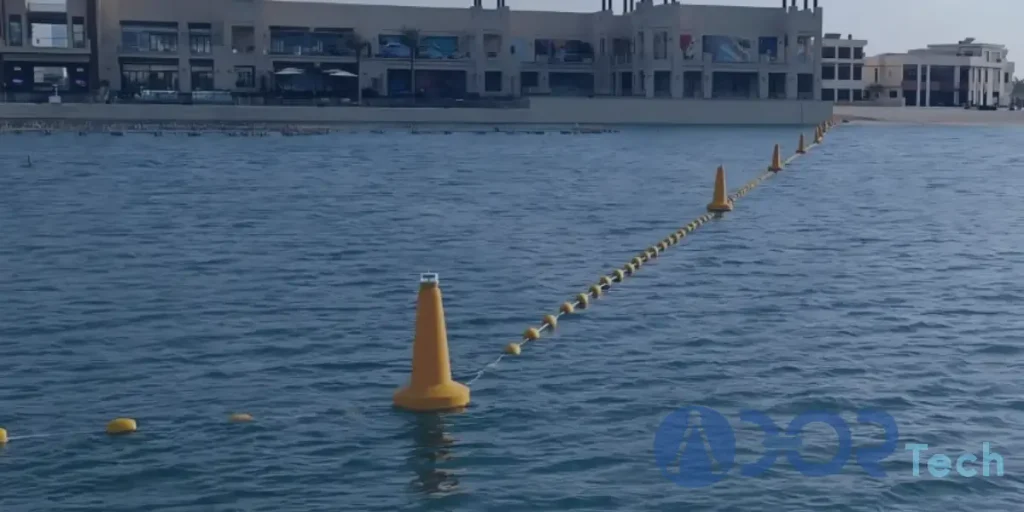
In shallow water near coastline and hotels, there is a specific area designed for activities like recreation, swimming, and water sports. Yellow buoys can define their boundaries, separate participants from regular vessel traffic, and warn boats or vessels to slow down, keep out, or navigate with caution in these zones.
Scientific, Aquaculture, and Environmental Monitoring Areas
Scientific, aquaculture, and environmental monitoring (e.g., measuring temperature, water quality, currents and waves characteristics, pollution detection, and ecosystem conditions) is required for research and confirming the regulations compliance. These areas should be marked by yellow buoys to signal that navigation is not allowed temporarily.
What Is Black and Yellow Buoy Marker Meaning?
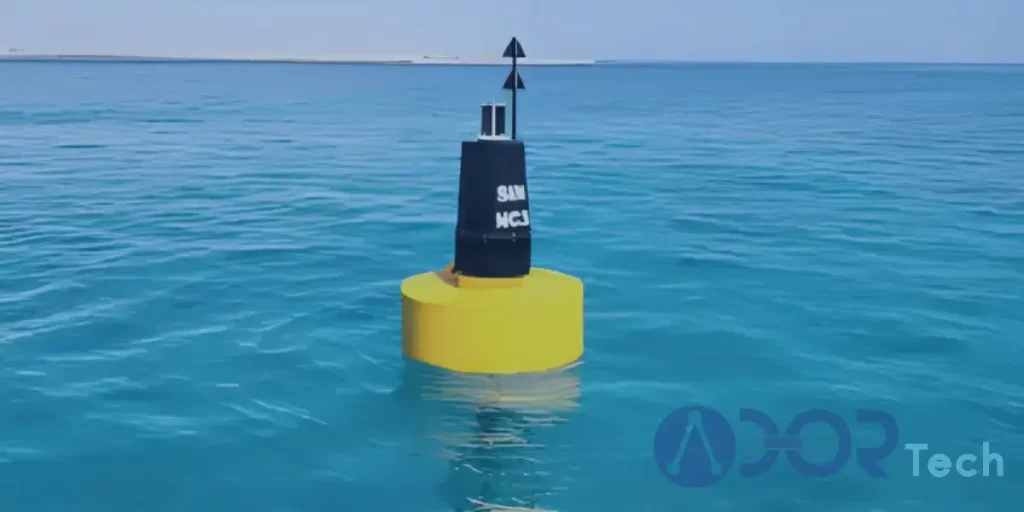
The combination of yellow and black create cardinal buoys, which are used for demarcating safe order by indicating the directions. The buoy with black top and yellow bottom indicates North while if it is reversed (yellow top and black bottom), the buoy indicates South. The black buoy with yellow in the middle shows East while the yellow buoy with black in the middle shows West. However, cardinal buoys are equipped with top marks that signal the directions. For example, two upward top marks indicate North and two downward top marks indicate South. When both top marks point out facing away from each other the direction is East and when they point face toward each other the direction is West.
Does Yellow Buoy Meaning Change by Country?
Despite the red and green buoy meaning which differ in IALA region A and B, the yellow buoy meaning is similar worldwide: demarcation of special areas or objects. But it may be used differently in some countries. In Canada, it is widely used to mark underwater pipelines, firing ranges, racecourses, seaplane bases, anchorage, scientific zones, or areas without a through channel. In United States, yellow buoys generally indicate special-purpose areas. However, a yellow triangle buoy means keep the marker to starboard while a yellow square buoy means keep it to port on the Intracoastal Waterway.
Yellow buoys in United Kingdom and most European countries is a sign of IALA special mark for features such as pipelines, cables, recreation zones, spoil grounds, or scientific equipment. The nautical chart explains its exact purpose. In Australia and New Zealand, they typically follow the IALA special-mark system and identifies special-use areas or installations rather than channel sides.
What Should You Do When You See a Yellow Buoy?
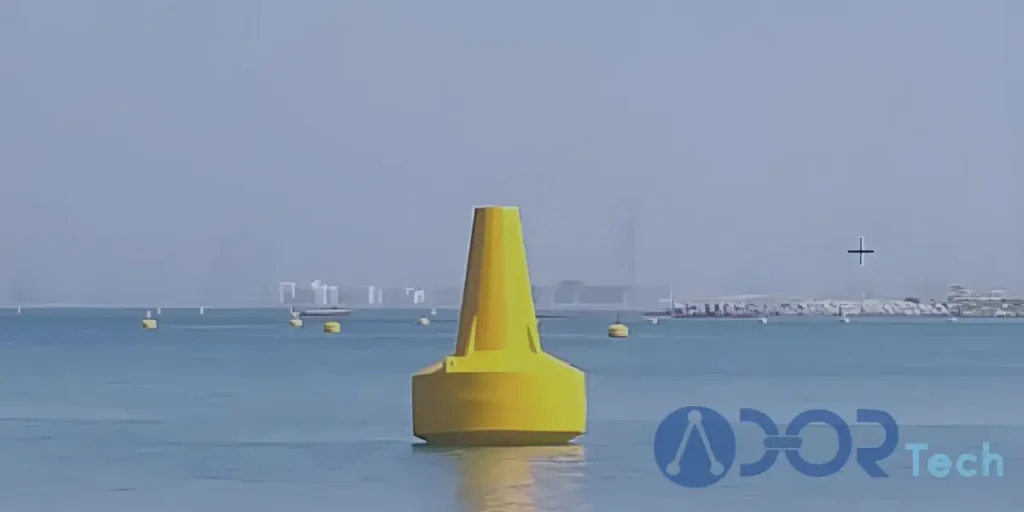
Now that we learn what do yellow buoys mean and what is a yellow buoy used for, the next step is to understand what we should do when we see a yellow buoy. A yellow buoy mostly means that navigation in that specified area is not allowed or should be cautionary. Therefore, once you see a yellow buoy, you should reduce the speed, maintain a safe distance from the buoy, consult nautical chart to identify its purpose, and avoid anchoring or fishing near the marked area.
Conclusion
In summary, understanding the yellow buoy meaning is critical. Yellow buoys are typically used to mark special areas. Including underwater equipment (e.g., cables and pipelines), anchorage, dredging and construction zones, bridges, scientific activities, aquaculture, environmental monitoring, swimming, and water sport areas. The combination of yellow with other colors in navigation buoys may deliver different meanings. for instance, yellow and black buoys indicate the directions of North, South, East, and West. In this blog post, we provide a complete guide on what does yellow buoy mean, what does it marks, and what to do if we see one during navigation.
FAQs
Generally, yellow buoys are used to mark specific areas, but it is possible for them to be used as channel markers only in specific situations.
Permanent yellow buoys are charted, but the temporary ones used to mark construction, dredging, and research activities are mostly not.
Depending on the regional standards and regulations, yellow buoys may carry warning signs, letters, and numbers.