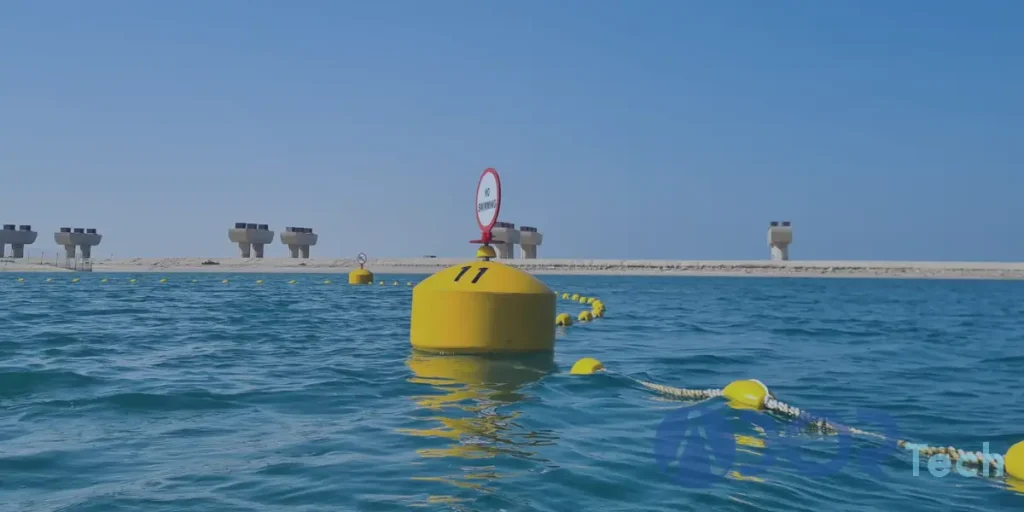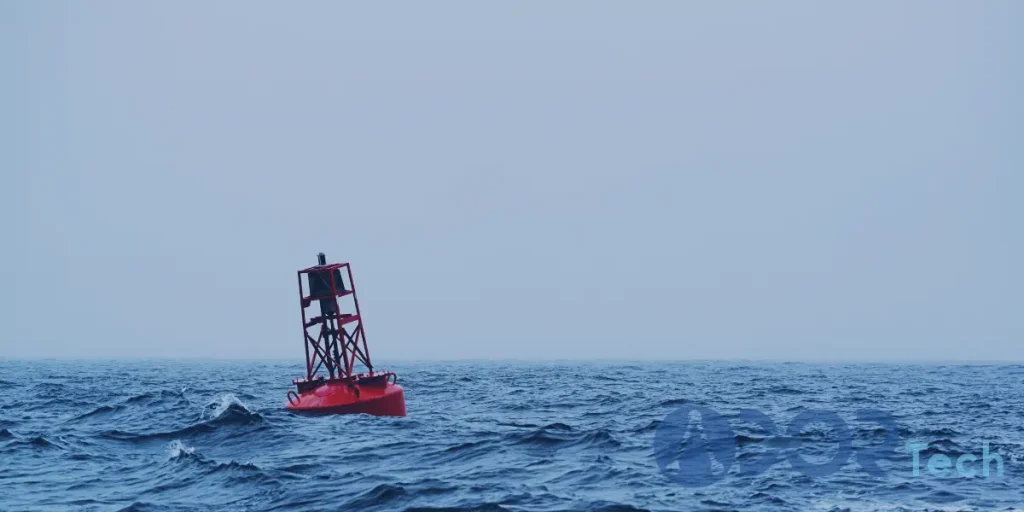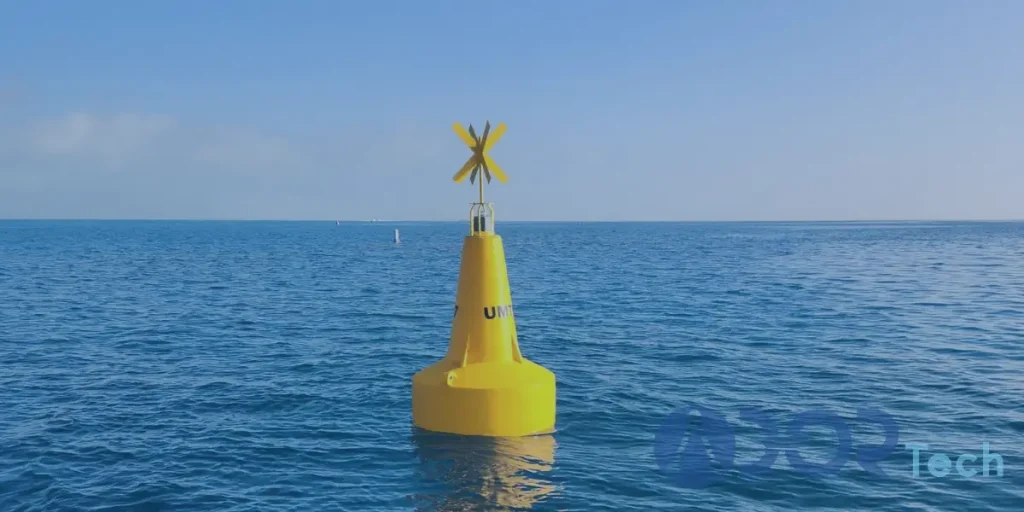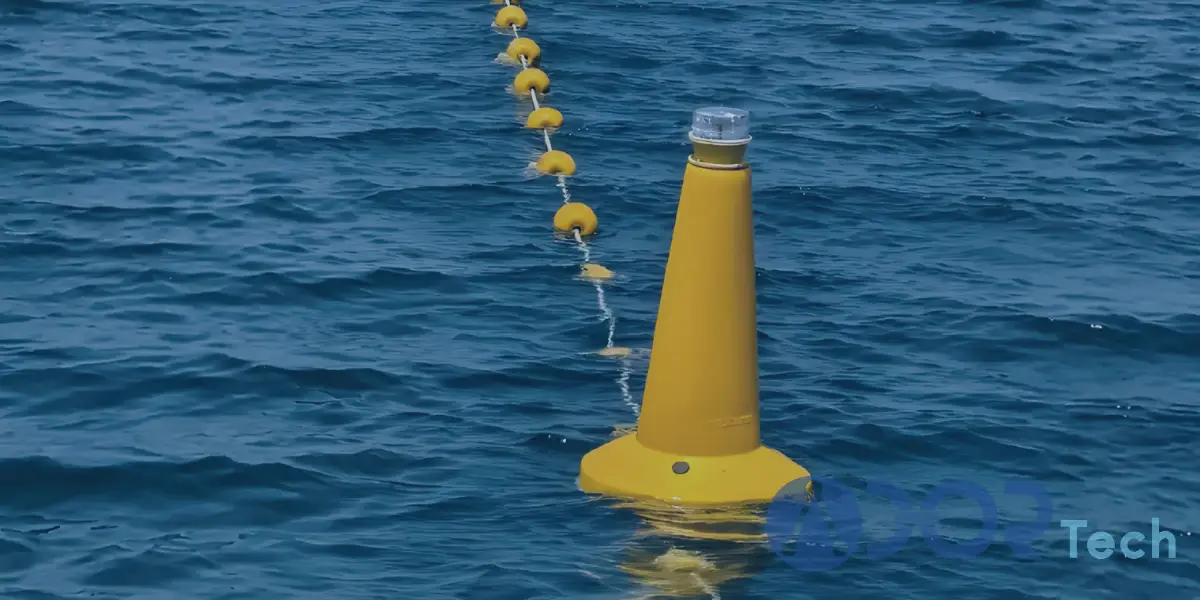
Solar marine lanterns are the lights mounted on the buoys to illuminate the marinas for navigators when the visibility is reduced. In Canada, the role of solar marine lanterns for winter and harsh weather conditions is critical, because the visibility is significantly limited at these situations and the navigators cannot identify the safe routes. This blog post will define the common applications of solar navigation light in marine industry and then, deeply discuss its applications in Canada and North American countries. We’ll also go through the advanced features that make a marine lantern more efficient and beneficial than it already is.
The Importance of Solar Marine Lanterns in Navigation
Solar marine lanterns are the solar powered marine navigation light installed on the floating buoys to illuminate the marinas for navigators at low-visible conditions, such as night and harsh weather conditions like rains, snow, storms, fog, etc. Normally, the navigation buoys act as guides that mark the safe roues, hazards, special boundaries, and channel sides. These buoys are not visible in darkness or harsh weather conditions. Installing a marine lantern on top of the navigation buoys not only increases their visibility but also are a kind of aid to navigation (AtoN) tools by helping navigators.
Solar Navigation Light Characteristics: Power Source, Colors & Flashing Patterns
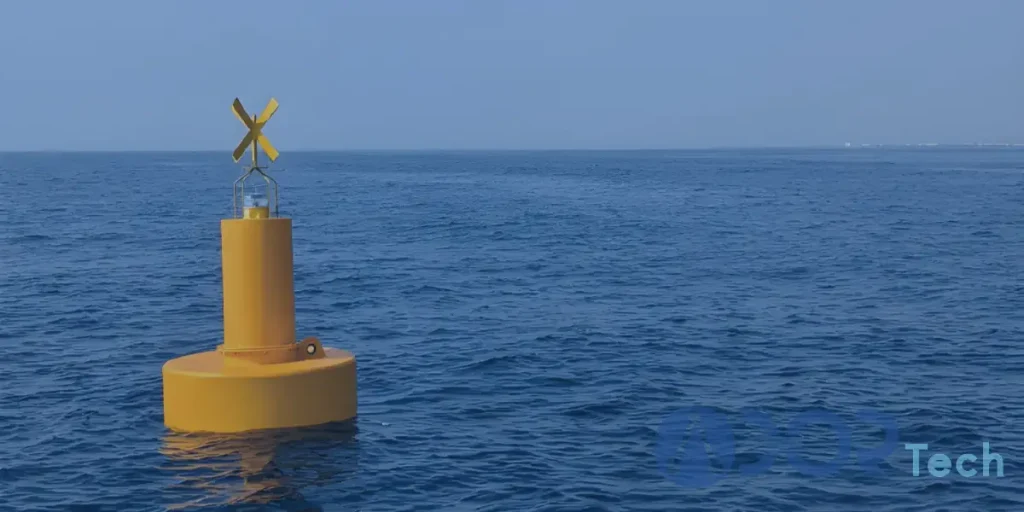
Solar navigation light, mostly known as solar marine lanterns, is actually an LED light inside of a waterproof case to protect it from moisture, which is equipped with solar-powered batteries. These batteries are bowered by the sunlight at day and keep the marine lantern light-up at night or whenever the visibility is limited. Marine lantern battery autonomy widely depends on the capacity of battery used in the solar marine lanterns. The more capacity the battery has, the more autonomy it will provide.
Solar navigation light color characteristics often rely on the International Association of Marine Aids to Navigation and Lighthouse Authorities (IALA) standards for navigation buoy color and meaning. In other words, the color of solar marine lanterns and navigation buoys is the same. For example, the color of the marine lantern used for cautionary or special purpose buoy is yellow. It will help navigators to identify what type of buoy is that light stands for.
| Type of Navigation Buoy | Marine Lantern Color |
|---|---|
| Lateral Buoy | Red or Green |
| Cardinal Buoy | White |
| Isolated Danger Buoy | White |
| Safe Water Buoy | White |
| Cautionary Buoy | Yellow |
| Emergency Wreck Buoy | Blue-Yellow |
But the question is: how to recognize what type of buoy the solar powered marine navigation light stands for if it doesn’t fit the color of the buoy? The solar navigation light can be identified through its flashing pattern. Each of the navigation buoy types that is equipped with a marine lantern follows a flashing pattern that helps the navigators to understand the type of the buoy. It means that a solar powered marine navigation light follows a periodic flashing pattern and the period of darkness and light in each type of buoy differs.
| Type of Navigation Buoy | Flashing Pattern |
|---|---|
| Lateral Buoy | Single or Quick Flashes |
| North Cardinal Buoy | Continuous Quick Flashes |
| South Cardinal Buoy | 6 Quick Flashes per Cycle |
| West Cardinal Buoy | 9 Quick Flashes per Cycle |
| East Cardinal Buoy | 3 Quick Flashes per Cycle |
| Isolated Danger Buoy | 2 Flashes per Cycle |
| Safe Water Buoy | Equal Light/Dark |
| Cautionary Buoy | 1 Flash Every 4 Seconds |
| Emergency Wreck Buoy | Alternating Blue & Yellow Flashes Every 3 Seconds |
Primary Marine Lantern Applications in Canada
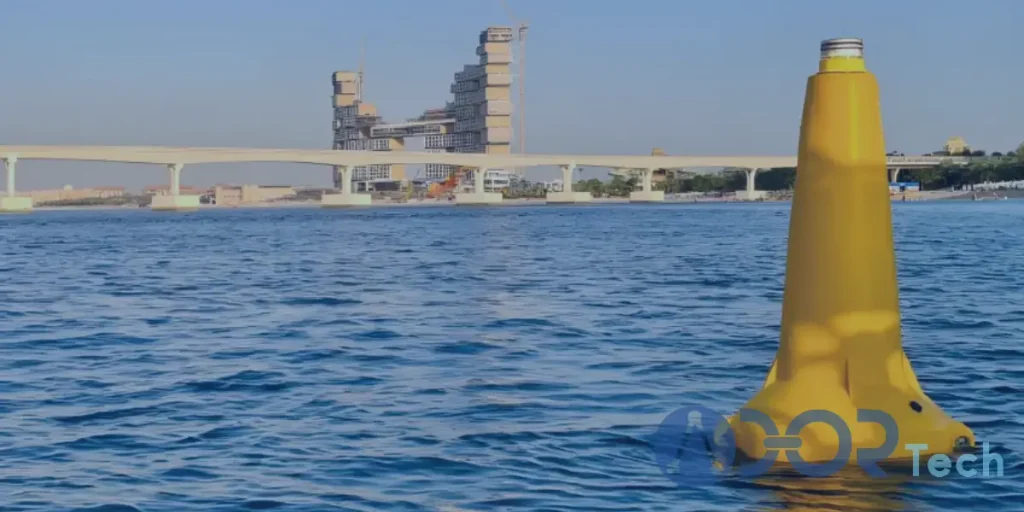
Marine lantern is one of the main components of aid to navigation (AtoN) systems worldwide. Installed on the navigation buoys, solar marine lanterns are generally used to define the navigation buoys in conditions when the visibility is significantly limited, such as night, storm, fog, rain, snow, etc. However, solar marine lanterns can be used for different purposes based on the region. In Canada and other North American countries, solar marine lanterns for winter are more efficient rather than the other times of the year because of the minimum visibility in the extreme weather conditions in these region’s winter. So, here are the most common and primary applications of solar powered marine navigation light in Canada:
Solar Marine Lanterns for Winter
Using solar marine lanterns for winter is necessary due to freezing temperatures, drifting ice, snow, reduced daylight hours, and severe winter storms in Canada. In this time of the year, navigation is not only almost impossible without marine lantern but also maximize the risk of hazardous accidents. Installing a solar powered marine navigation light on navigation buoys or fixed beacons help vessels identify safe navigation routes under difficult seasonal conditions. However, it is crucial for the solar navigation light to be resistant enough to be capable of operating in the extreme weathers during Canadian winters.
Marine Lantern for Four-Season Navigation Buoys
Some of the navigations buoys are not seasonal and deployed permanently. Since these navigation buoys must operate in all conditions that might occur during their installation period, it is necessary to equip them with solar marine lanterns to make them ready to operate in four-season conditions, from extreme sunlight to heavy ice movement and strong currents.
How Far a Solar Powered Marine Navigation Light Can Be Seen?
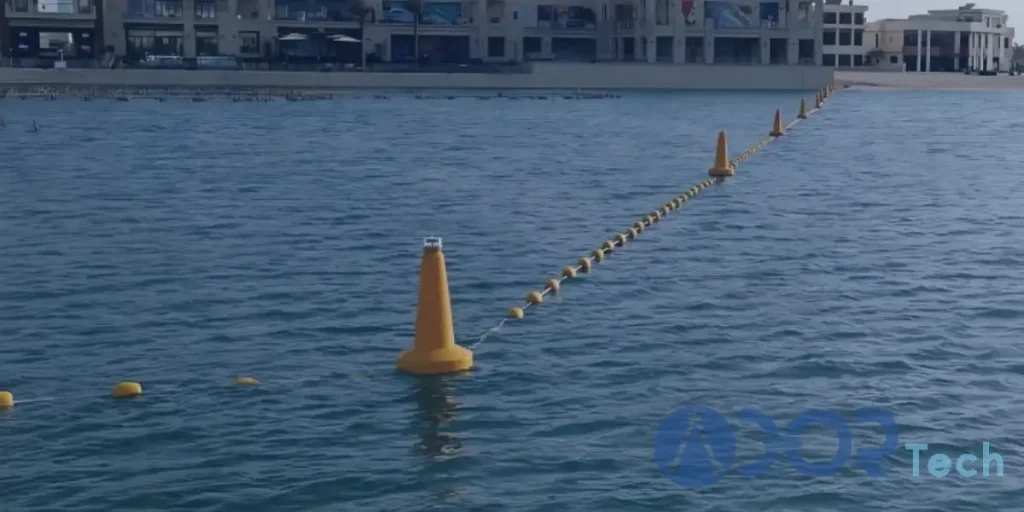
There are three different measurements to determine how far a solar navigation light can be seen: nominal range, luminous range, and geographic range. Nominal range is the maximum distance at which a marine lantern can be seen under standardized atmospheric conditions, assuming a meteorological visibility of 10 nautical miles and a dark background. Luminous range is the maximum distance at which a marine lantern can be seen under the prevailing atmospheric conditions. Geographic range refers to the maximum distance at which a marine lantern can be seen based on Earth’s curvature, the height of the lantern above sea level, and the observer’s eye height.
Nominal Range vs. Luminous Range vs. Geographic Range: Which Is the Most Important?
Nominal range is generally the primary specification used to compare visibility performance of solar powered marine navigation light, because it provides a standardized reference. However, the luminous and geographic ranges are also important when selecting a lantern for a particular marine condition. For instance, a powerful marine lantern with a 10 NM nominal range may not be visible from 10 NM away if it is installed on a low navigation buoy and its geographic range is only 6 NM.
Conclusion
Solar marine lanterns play an important role in improving navigation safety by increasing the visibility of navigation buoys, marine hazards, and fixed aids to navigation, particularly at night and in low-visibility conditions. However, selecting the right solar-powered marine lantern requires considering several technical factors, including nominal range, light color, flashing patterns, marine lantern battery autonomy, and environmental conditions. In Canada, where freezing temperatures, ice accumulation, and limited winter sunlight can affect equipment performance, choosing a marine lantern designed for harsh weather conditions is particularly important.
FAQs
How Long Can a Solar Marine Lantern Operate Without Sunlight?
It depends on the lantern’s battery capacity, light intensity, and flashing pattern. Some models can operate for several days or weeks without solar charging. This duration is known as marine lantern battery autonomy.
What Is the Difference Between a Solar Marine Lantern and a Regular Marine Lantern?
A solar marine lantern uses solar panels and rechargeable batteries as its primary power system. Other marine lanterns may operate using replaceable batteries or external electrical supplies. Solar-powered models are particularly useful for remote installations, where connecting to an electrical grid is impractical.
Do Solar Marine Lanterns Require Regular Maintenance?
Yes. Although solar marine lanterns generally require less maintenance than some externally powered systems, periodic inspections are necessary to check solar panels, battery condition, lens cleanliness, and structural integrity. Maintenance frequency depends on the lantern model and installation environment.