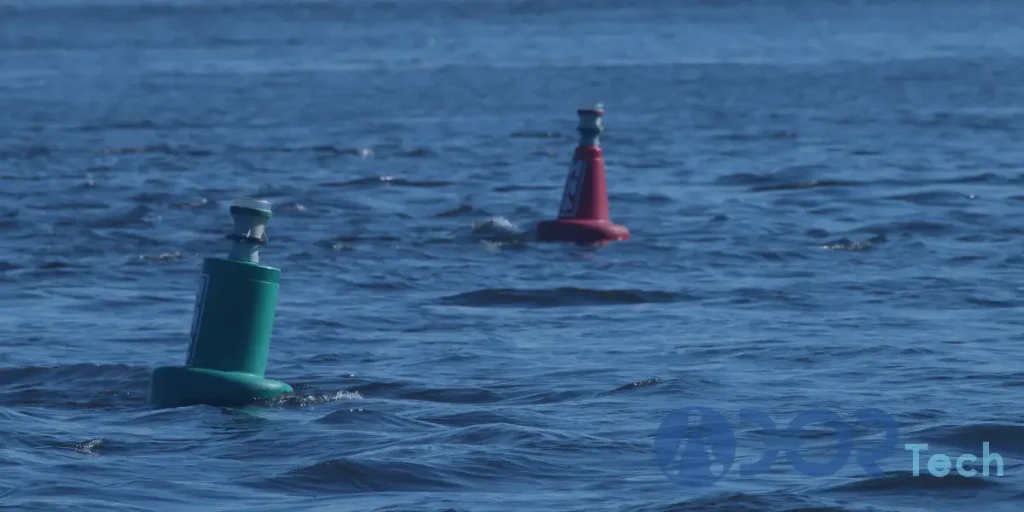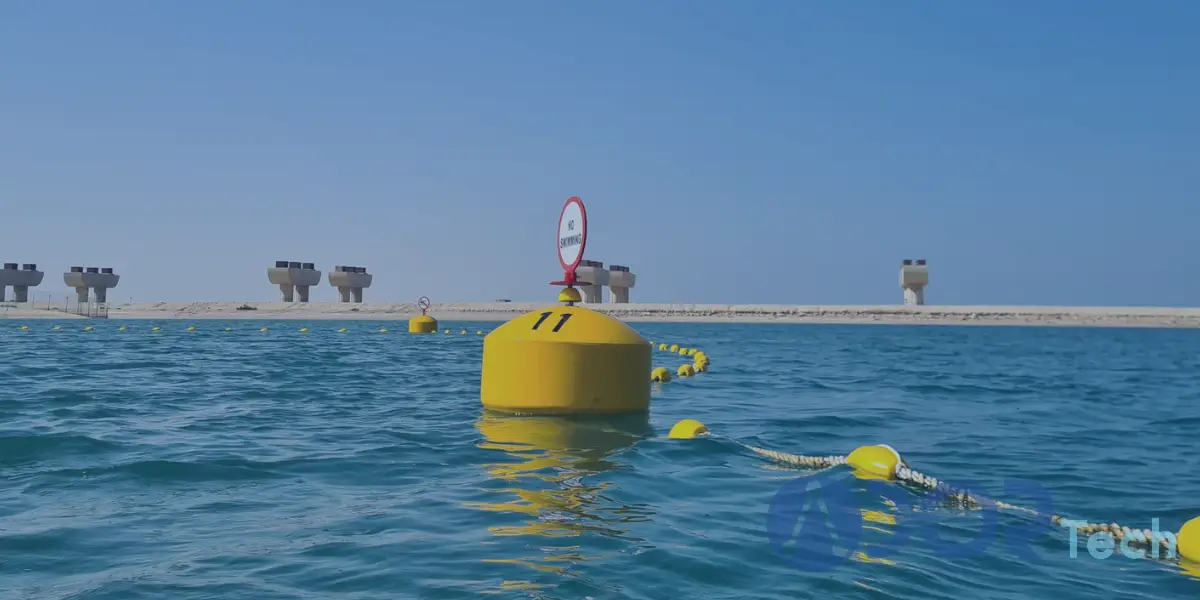
Anchoring a buoy in lake or shallow waters is challenging due to the wind and wave exposure, water-level fluctuations, and lakebed conditions. It should also be noticed that anchoring system does not disrupt vessels activities. These challenges make a huge difference between how to anchor buoy in shallow waters and deep waters. In this blog post, we will understand what buoys are used for in lakes and how to anchor a buoy in a lake in the most efficient way that not only ensure buoy is operated accurately but also minimize the potential failures.
Why Should a Buoy Be Anchored?
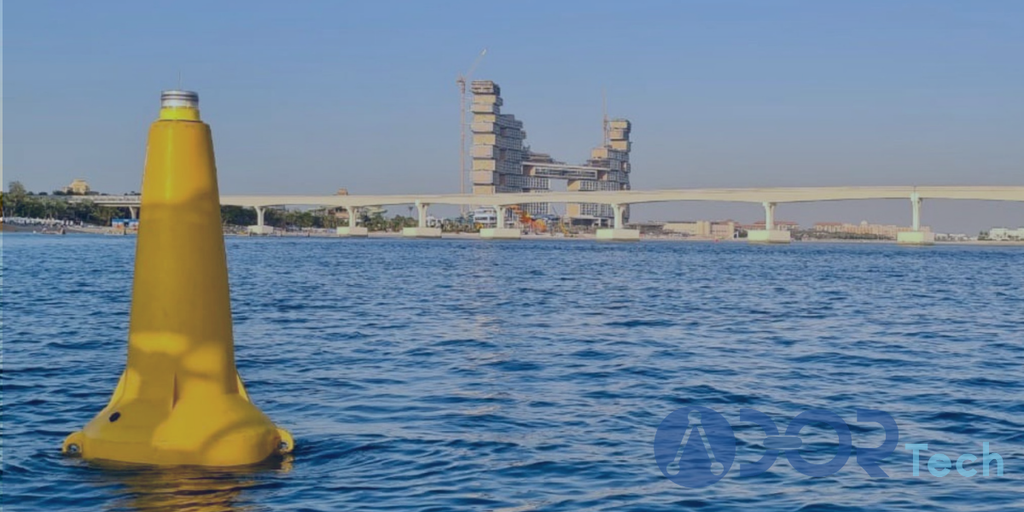
Buoys play a critical role in enhancing the safety of marine environment by marking boundaries for hazardous areas, restricted zones or where unauthorized vessels cannot navigate, and even safe areas for people to swim or do water activities. Near dams and water intakes, buoys are usually combined with a watercraft safety boom to physically stop boats from entering the danger zone. It is crucial for them to be anchored properly and accurately to ensure their efficiency in providing safety in marinas. Otherwise, the buoy can be moved by wind, currents, or waves to another position, so boaters or people cannot identify the safe areas. If a buoy deployed on the water with no proper anchoring, it not only increases the hazards instead of providing safety but also loses its efficiency at all.
How To Anchor a Buoy in a Lake in 4 Steps
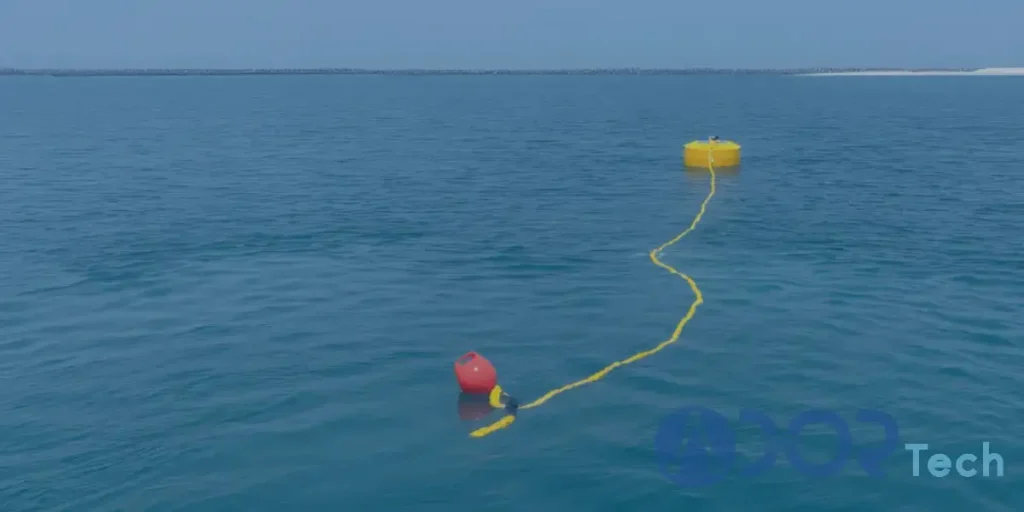
To anchor a buoy in shallow waters, it is important to consider the seabed condition, wind and wave exposure, water-level changes, and site conditions. Here we will comprehensively guide you on how to anchor a buoy in a lake in 4 steps, from what you need to know before anchoring a buoy to the tips that will help you ensure an efficient anchoring with minimum failure risks.
Site Survey & Assessment
The steps of how to anchor buoy starts with site survey, which refers to completely assessing the area where a buoy is supposed to anchored and determine the water depth, lakebed composition (mud, sand, gravel, or rock), seasonal water-level changes, and expected wind, current, wave, and ice conditions. Any of these factors directly affect the anchoring system. So, this step will help to have the critical data that may require in the rest of the process.
Choosing Anchoring Type
There are different anchoring types for different lakebed conditions and the buoy applications. Here are the most common anchoring types used in lakes or shallow waters:
Dead-Man Anchoring
“Dead-Man Anchoring” or “Deadweight Anchoring” refers to using a concrete or steel block placed on the lakebed to keep the buoy in position through submerged weight and friction. This method is the most common anchoring type used for lakes, sheltered waters, and permanent or temporary buoy installations where adequate holding capacity can be achieved.
Mushroom Anchoring
“Mushroom Anchoring” is a method used a mushroom-shaped anchor that gradually embeds into soft lakebed sediment, developing resistance from its shape and surrounding soil. This anchoring method best suits the lakes with soft mud or silt, particularly permanent mooring installations.
Helical Anchoring
“Helical Anchoring” or “Screw Anchoring” involves rotating a steel shaft with helical plates into suitable lakebed sediments to develop resistance against mooring loads. This method is ideal for anchoring a buoy in shallow waters with suitable sediment depth and strength, especially where minimizing the anchor footprint is important.
Embedded Anchoring
“Embedded Anchoring”, also known as “Drag Anchoring” or “Fluke Anchoring”, refers to using an anchor with flukes that penetrate the lakebed when pulled horizontally, generating holding resistance. This anchoring method is typically used for sandy or muddy lakebeds with sufficient space for setting the anchor and suitable mooring loads.
Rock Anchoring
“Rock Anchoring” or “Drilled Anchoring” involves drilling into competent rock and installing a mechanical or grouted anchor to provide a fixed mooring attachment point. This method suits the rocky lakebeds where embedded sediment anchors are unsuitable.
Pile Anchoring
“Pile Anchoring” is a method used driven or drilled piles embedded into the lakebed to provide an engineered anchoring foundation. This anchoring type is ideal for specialized permanent installations requiring high holding capacity or restricted buoy movement.
Deploying the Anchor
Before deploying the anchor, it should be noticed that the mooring system includes appropriately rated shackles, swivels where needed, and abrasion protection. Its length and configuration must also accommodate changes in water level and buoy movement without allowing excessive drifting. The deployment starts with lowering the anchor to the selected location using suitable lifting equipment. In shallow water, a small workboat or other appropriately equipped installation platform may be sufficient. It should be ensured that the anchor rests securely on the lakebed and is not positioned over sensitive underwater infrastructure or protected habitats.
Attaching & Positioning the Buoy
The buoy is connected to the mooring system and verified that it floats upright at the intended location. The anchoring arrangement should be adjusted to provide sufficient flexibility while limiting movement outside the permitted area.
The buoy body material also affects how it behaves on the mooring line; see our comparison of polyethylene vs steel buoys.
Key Applications of Buoy in Lakes: Why Using a Buoy Is Important?
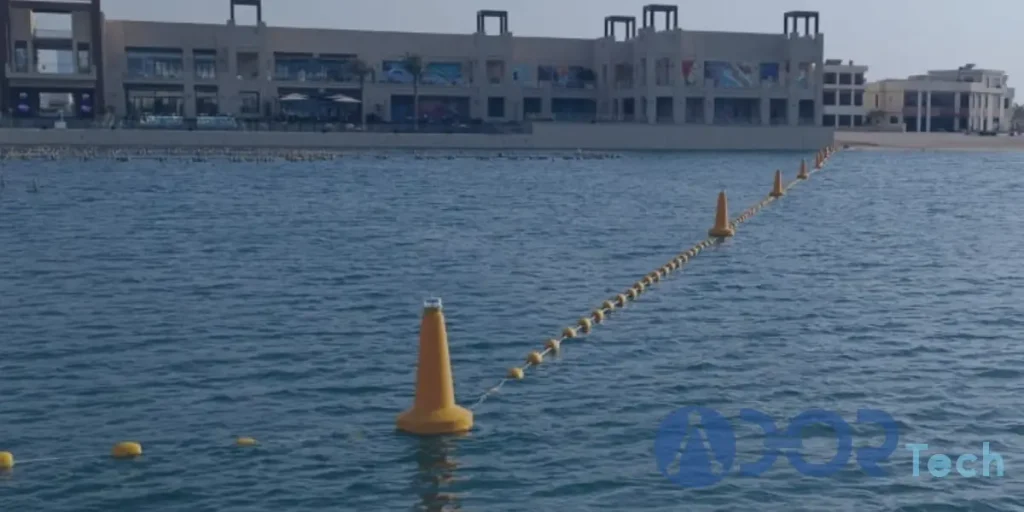
The role of buoys is to mark the areas that require more attention during boating or navigation, including swimming areas, hazard warning, vessel mooring or anchorage zones, speed control, restricted areas, recreational or sports activities. In Canada, designated anchorage areas are marked with an anchorage buoy, which has its own colour and top mark. They can also be used for marking the construction or environmental projects where activities, like dredging or water-quality monitoring, are performed to warn boaters to keep the required distance for navigation and people to avoid swimming in those areas.
Using a buoy generally is essential for increasing the safety of marinas for boaters, navigators, and public. Provided in different types, each of buoys delivers a meaning. For instance, cautionary buoys are often used to mark hazards, and lateral buoys are used to identify the channel sides. Therefore, understanding the buoys’ meanings significantly is crucial to ensure safety, especially in lakes or shallow waters where water activities are performed more.
Conclusion
Understanding how to anchor a buoy in a lake or shallow waters properly can significantly affect its performance. Buoys are typically used to mark the safe zones, hazards, or restricted areas. So, they play a critical role in improving marine safety and security as well. If the buoy is not anchored properly, it may incur hazardous conditions. This blog post provides an insight into what the role of buoys in shallow waters is, defining what are they generally used for. We also learn how to anchor buoy in just a few simple steps to ensure it is ready to operate safely and efficiently.
FAQs
What Is the Best Anchor for a Buoy in a Lake?
It widely depends on the lakebed composition, buoy applications, and environmental loads, such as wind, wave, current, and water-level fluctuations.
How Long Should a Buoy Anchor Line Be?
A buoy’s anchor line should accommodate the maximum expected water depth, water-level fluctuations, and buoy movement. Its length depends on whether the mooring uses a catenary, taut-line, or another configuration.
Can Buoy Anchoring Damage the Lakebed?
Yes. Dragging anchors and mooring chains can disturb sediments, damage aquatic vegetation, and affect sensitive habitats. Proper anchor selection, installation, and mooring-line design can help reduce environmental impacts.
Do You Need a Permit to Anchor a Buoy in a Lake?
Permit requirements depend on the country, local waterway regulations, buoy purpose, and installation location.