Port security barriers are used to prevent unauthorized vessels from passing into ports. These barriers are provided in two main types: floating security barrier and fixed security barrier. Each of these types of port security barrier system is designed for specific purposes. Here we’ll learn what the port security barrier is and how it works. Then, we will go through the main types of these barriers, including their differences and applications. Moreover, we will compare these two types to guide you in detail on how to choose the best suited one for your project.
What Is a Port Security Barrier?
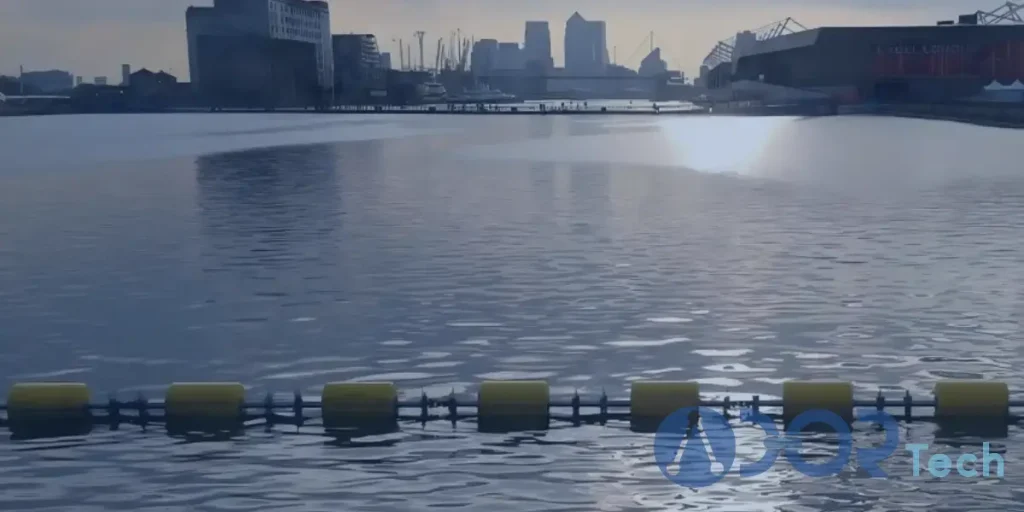
Port security barrier is a device that restricts and prevents unauthorized vessels from passing into the port, harbours, and naval bases. This barrier actually defines a boundary to prevent the vessels that are not allowed to enter restricted waters, protecting critical maritime infrastructures from potential security threats. Port security barriers also play a crucial role in limiting the access of unauthorized boats to military vessels and sensitive installations.
Types of Port Security Barriers: Definition, Characteristics & Applications
Port security barriers are commonly categorized into two types of floating barriers and fixed barriers. The main application of both of these types is to prevent unauthorized vessels from entering a port, harbour, and naval bases. But they significantly differ in characteristics and application purposes. Here we will understand each type of port security barrier system comprehensively:
Floating Port Security Barrier
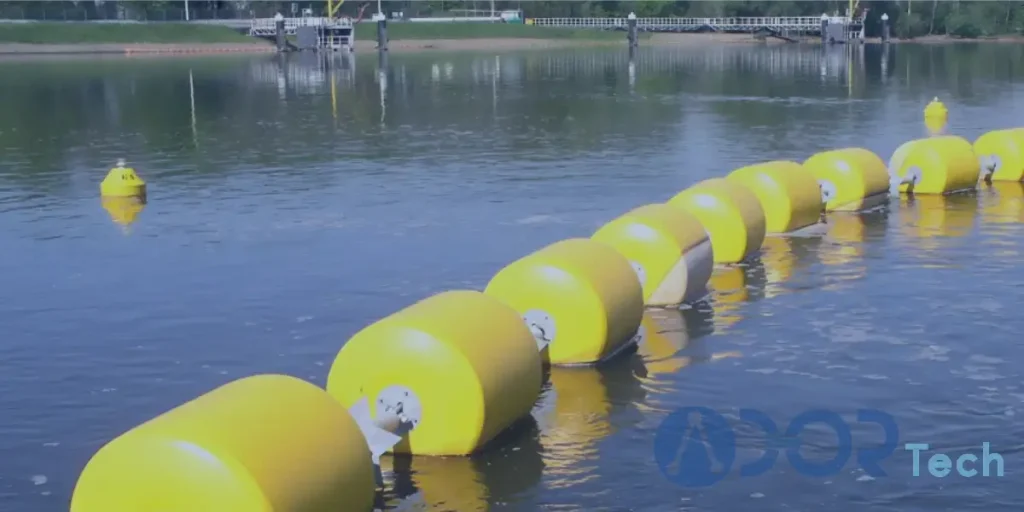
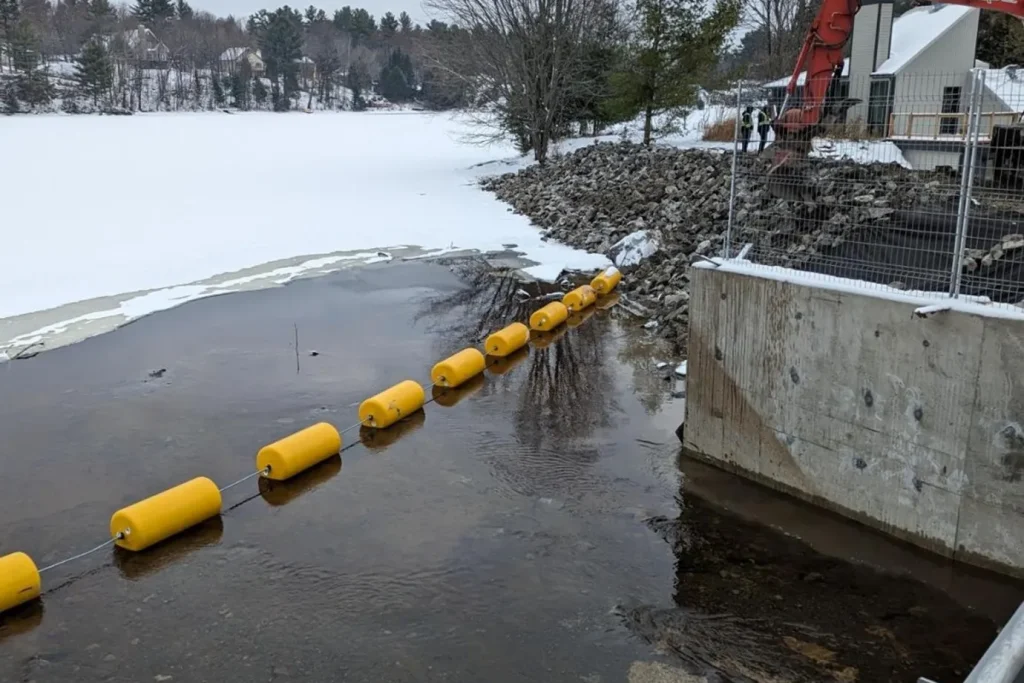
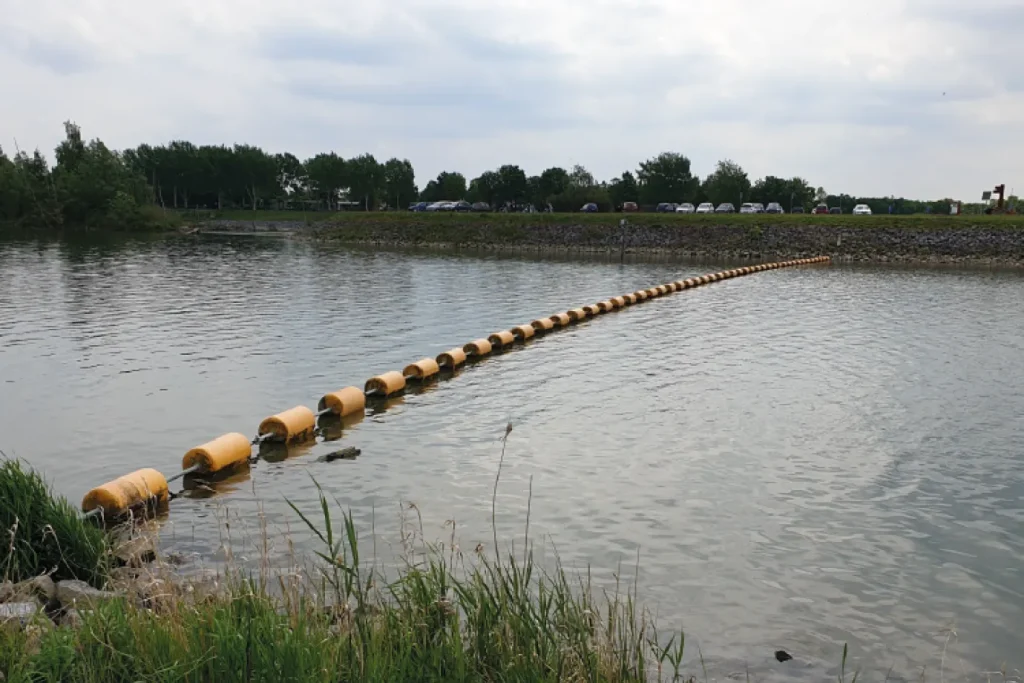
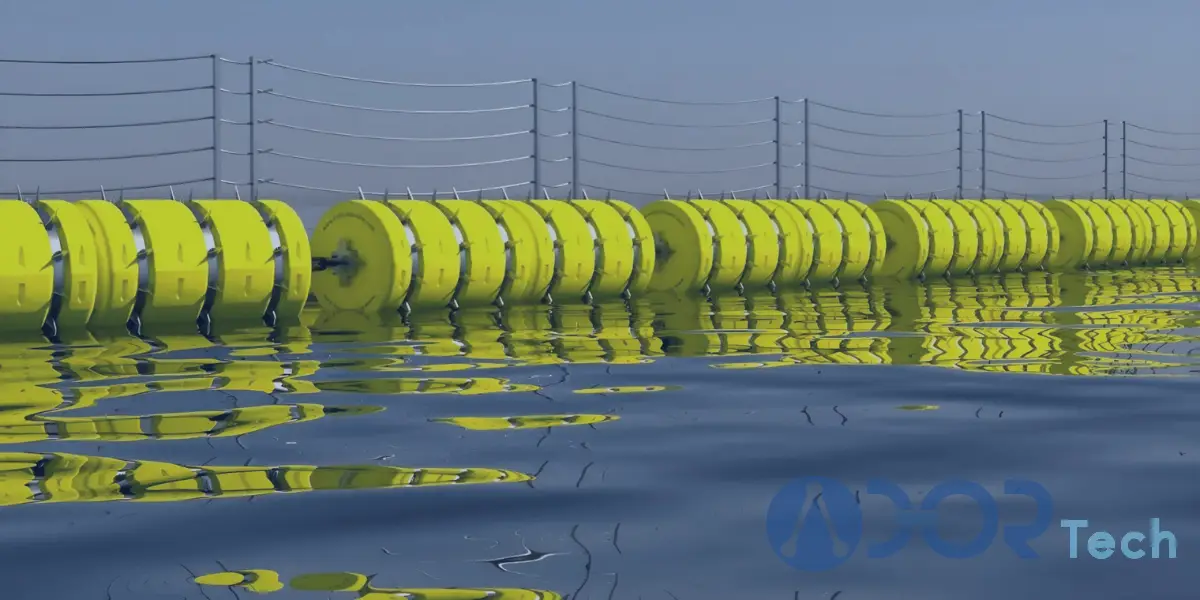
Floating security barriers are marine protection systems consisting of interconnected floating sections that create a physical boundary around restricted waters. A floating port security barrier system is actually created from three main parts: floating units, connectors, and anchoring systems. The floating units are the buoyant modules that keep the barrier buoyant on the water’s surface. These floating units can either be equipped with spikes on them to stop unauthorized vessels that crash into the barrier and try to pass on. The floating units are joined together through the connectors, creating a seamless boundary which is anchored at both ends.
Floating security barriers are mostly used in naval bases for establishing security perimeters around military ships, submarines, and restricted naval facilities. They are also widely used in commercial ports and oil terminals to prevent unauthorized vessels access to the cargo terminals, sensitive energy infrastructures, and offshore loading facilities or installations. Moreover, a port security barrier can restrict marine access during special events, maintenance operations, or other temporary security requirements.
Fixed Port Security Barriers
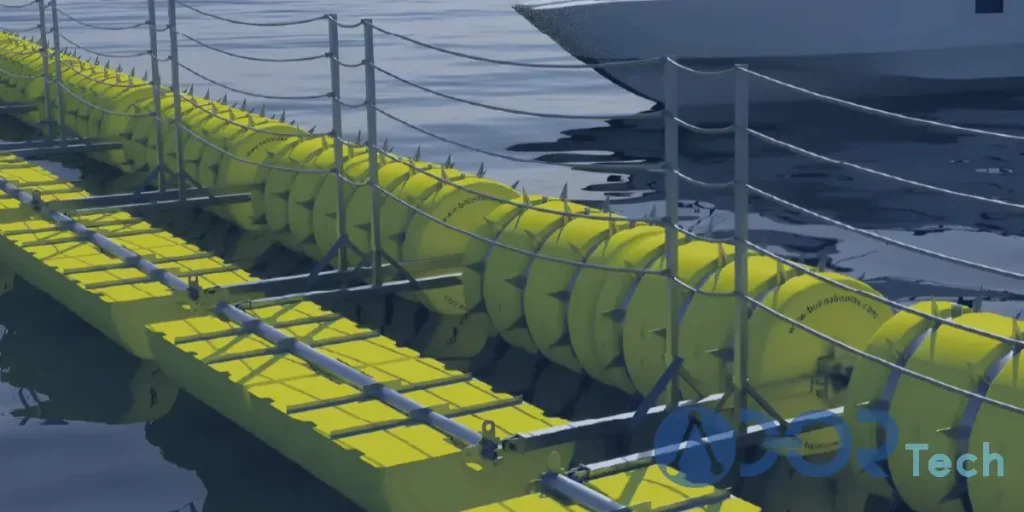
Fixed port security barrier is a marine security structure installed on permanent supports such as driven piles, concrete foundations, existing quay walls, or other fixed structures. Its primary supporting framework remains in a fixed position installed on seabed. Fixed port security barrier system is created from steel piles or concrete structures to provide stability. It also includes high-tensile steel nets, structural beams, heavy-duty cables, and corrosion-resistant components to be capable of long-term protection in locations with established security requirements.
Because of permanent installation of fixed port security barriers, they are often used in projects where permanent protection is required. For instance, they are mainly used to protect fixed military waterfront assets, installations, and shore-connected facilities from unauthorized vessel approaches. Fixed port security barrier system is also used for securing sensitive marine infrastructure requiring continuous access restrictions. In addition, these fixed boundaries can widely be used to secure critical infrastructures, such as bridge supports, waterfront power facilities, dams (see our guide to the dam safety barrier), and other high-value structures.
Floating Port Security Barrier System vs. Fixed Port Security Barrier: An In-Detailed Comparison
Both floating port security barrier system and fixed marine security barriers provide some benefits and limitations. They mainly vary based on their structural design, installation, flexibility, and cost. All of these differences make each type of port security barriers vary in applications. In the following table, we will compare the characteristics of two main types of port security barrier system in detail:
| Characteristics | Floating Barrier | Fixed Barrier |
|---|---|---|
| Structure | Interconnected buoyant sections | Fixed frame and structure |
| Installation | Deployed on the water | Installed on the seabed |
| Flexibility | High | Limited |
| Relocation | Possible | Difficult |
| Cost | Lower | Higher |
Based on this comparison, floating port security system is ideal for temporary projects while fixed port security barrier is best suited to the projects where permanent restriction and protection is required. Therefore, floating port security barriers are widely used for restricting unauthorized vessels from approaching the naval bases, commercial ports, oil terminals, and temporary sensitive projects like maintenance or marine construction while fixed marine security barriers are often used for preventing unauthorized vessels from approaching permanent naval installations, critical infrastructures, and harbour or port channels.
5 Key Factors to Consider When Choosing Port Security Barriers
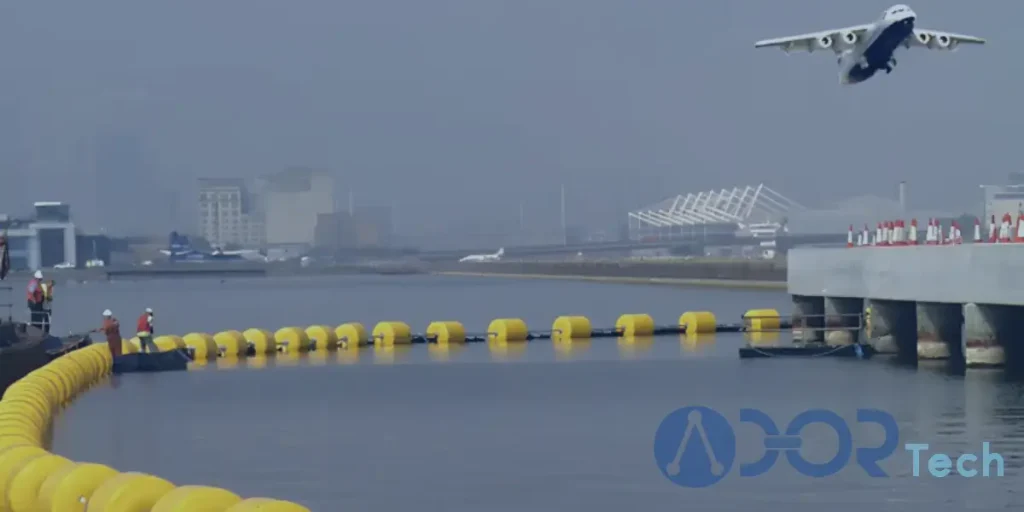
The first step of choosing the right port security barrier is to define what are the demands of the project. So, we should evaluate port security barriers based on 5 key factors: impact resistance and break load, environmental and weather conditions, materials and durability, vessel traffic and accessibility, and maintenance and cost. This will reveal what type of marine security system suits the project well. If you are considering a floating system, our article on floating security barrier design covers the engineering details in depth. Let’s see how each of these factors can affect how the barrier operates efficiently:
Impact Resistance & Break Load
Level of security required at the port facility is the most important consideration. Some marine security booms are designed primarily to establish restricted areas and deter unauthorized vessels, such as a waterway barrier, while others are engineered to stop or delay vessels approaching at high speeds. For facilities requiring vessel-impact protection, factors such as vessel size, weight, speed, impact energy, and barrier deformation should be evaluated.
Environmental & Weather Conditions
Environmental conditions significantly affect the performance and durability of port security barriers. Water depth, tidal variations, wave height, currents, water-level changes, and wind loads should all be considered when choosing a barrier system. In regions such as Canada, where ports may experience extreme winter temperatures and ice formation, additional attention should be given to ice loads, freezing conditions, and material durability. Floating barriers must be designed to withstand local environmental conditions, while fixed barriers require sufficient structural strength to resist environmental forces.
Barrier Materials & Durability
Since port security barriers are continuously exposed to marine environments, their materials must resist corrosion, UV radiation, mechanical wear, and environmental deterioration. Common materials used in these systems include marine-grade steel, reinforced synthetic components, high-density polyethylene (HDPE), and corrosion-resistant cables. To compare these materials, read our HDPE boom vs. steel vs. PVC comparison. Material selection should account for the expected service life, local water conditions, structural loads, and maintenance requirements.
Vessel Traffic & Accessibility
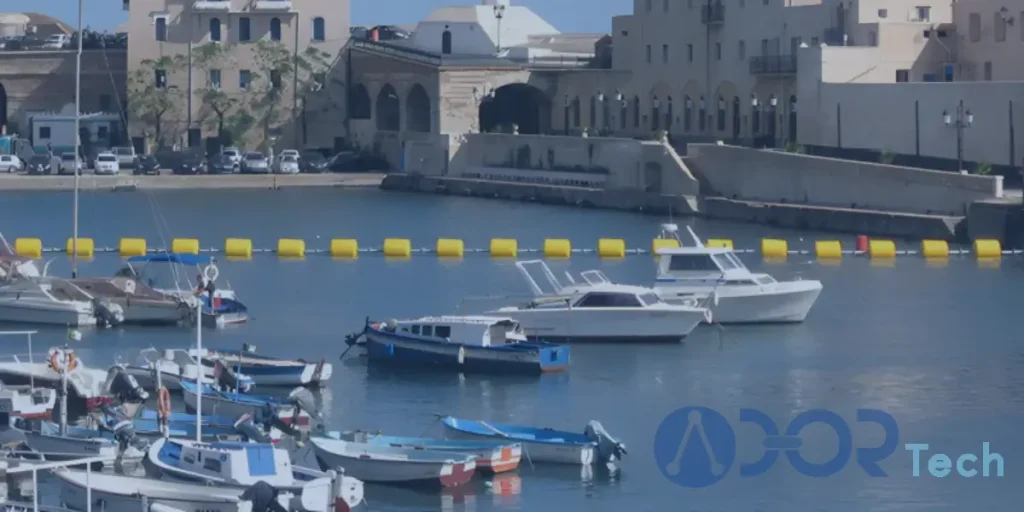
A port security barrier should provide protection without unnecessarily disrupting normal marine operations. For this reason, port operators need to consider the types and frequency of vessels entering and leaving the protected area. Facilities with frequent vessel movements may require barriers equipped with removable sections, floating gates, or other controlled access systems. The barrier’s location should also maintain adequate clearance for navigation, berthing, emergency response, and authorized vessel movements.
Maintenance & Costs
The initial purchase and installation costs are not the only financial considerations when choosing port security barriers. Inspection frequency, maintenance accessibility, replacement components, and long-term operating costs should also be evaluated. Floating port security barrier system may require periodic inspection of their buoyancy modules, connectors, mooring lines, and anchoring systems, much like the hardware used with a mooring buoy. Fixed port security barriers generally require structural inspections of piles, foundations, protective cables, and other permanent components.
Conclusion
In summary, a port security barrier plays an important role in protecting maritime facilities against unauthorized vessel access and potential security threats. Both floating and fixed port security barriers offer distinct advantages depending on the port’s environmental conditions, infrastructure, and security requirements. Choosing the right port security barrier system helps port operators maintain a secure maritime environment while supporting safe and efficient vessel operations.
FAQs
Are Floating Port Security Barriers Suitable for Permanent Installations?
Yes. Floating port security barriers can be installed permanently around ports, naval bases, and offshore facilities. Their modular construction also allows some systems to be relocated or reconfigured when operational requirements change.
What Is the Difference Between Floating Security Barrier and Safety Barrier?
Safety barriers primarily protect against accidental hazards, while security barriers primarily protect against unauthorized access and intentional threats.
How Are Floating Port Security Barriers Anchored?
Floating port security barriers are typically secured using seabed anchors, concrete sinkers, mooring chains, or cables. Fixed barriers rely on structural foundations, piles, or existing waterfront structures to maintain their position.