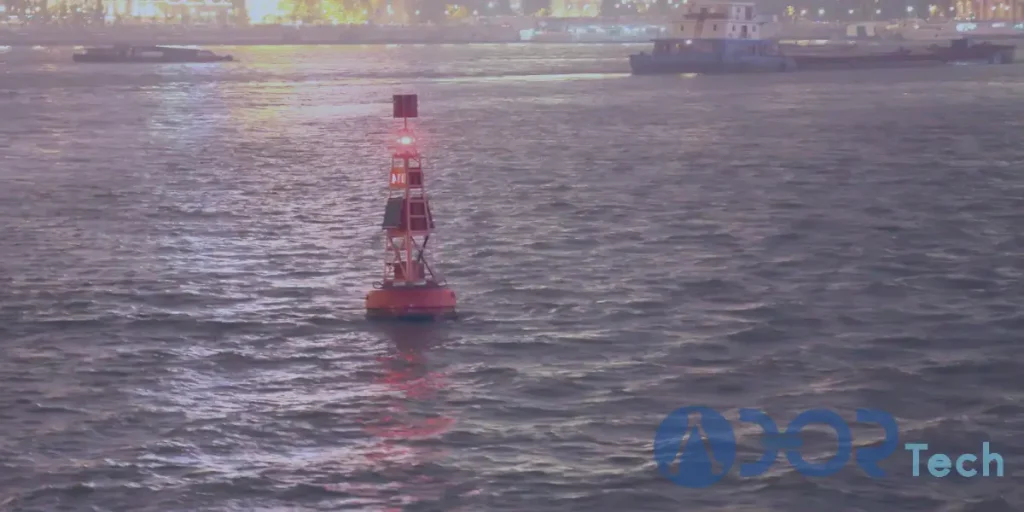
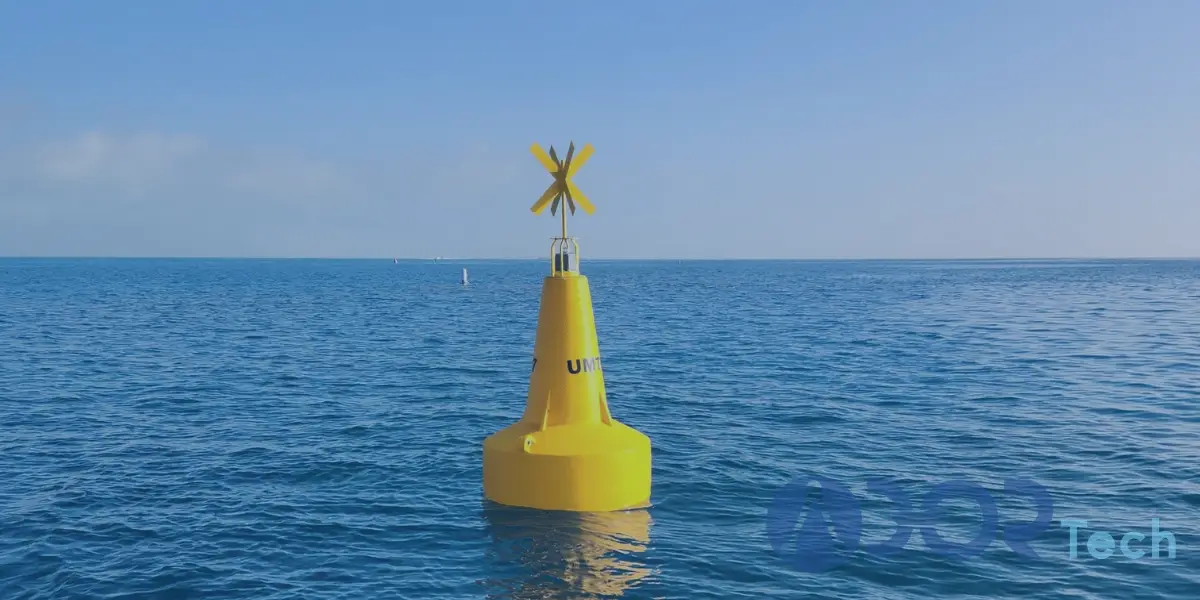
Anchorage buoy is the floating buoy mark used to specify the area where a vessel may anchor. Understanding the role of anchorage marker buoy as an aids to navigation (AtoN) tool is necessary to identify the areas where anchoring is allowed and also, increasing the safety of navigation for mariners. In this blog post, we will proceed with the anchorage buoy Canada regulations in detail. We will learn what is the anchorage buoy color and top mark in Canada and North American countries and how they can be identified for ensuring safer navigation areas.
What Is an Anchorage Buoy?
Anchorage buoy is a floating navigation aid that marks the boundary of a designated area where vessels may anchor. It helps mariners identify where anchoring is permitted and distinguish the anchorage from nearby channels, hazards, or restricted areas. Anchorage marker buoy is mostly used alongside mooring buoys. The anchorage buoy purpose is to mark areas where vessels can anchor or secure to the mooring buoys.
Anchorage Buoy Color, Lights & Top Mark: Canada Regulations
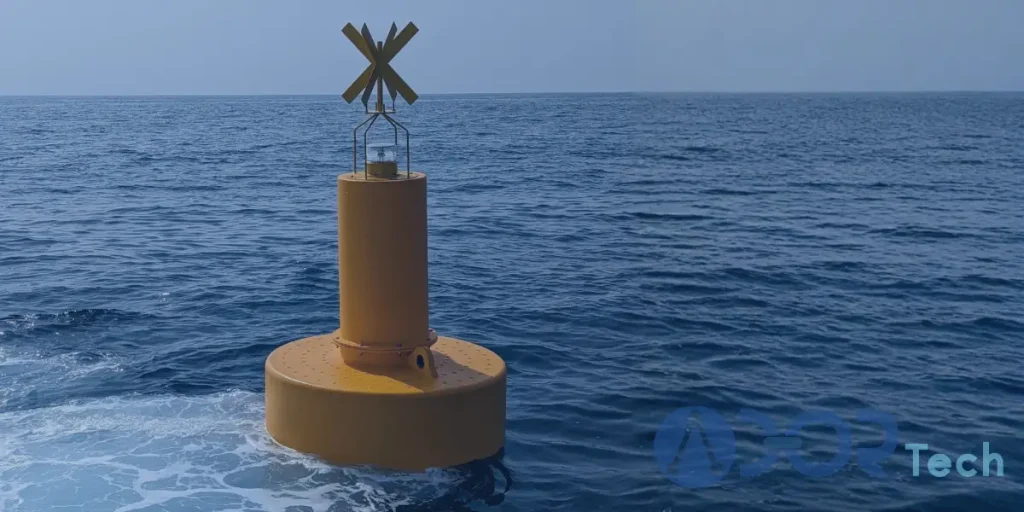
Anchorage buoy purpose in most of the countries is the same: to mark the designated area where vessels are allowed to anchor. Based on the International Association of Marine Aids to Navigation and Lighthouse Authorities (IALA), anchorage buoy color is yellow worldwide and they should be equipped with a single yellow X-shaped top mark. In Canada, the anchorage buoy symbol is a black anchor symbol on at least two opposite side of the buoy while in other countries, the anchorage area buoy is designed with a pictogram or letters on the body as a symbol.
The color of anchorage buoy light is often yellow, but the light flashing pattern varies in different countries. In Canada, the light pattern of an anchorage buoy is flashing once in every 4 or 5 seconds. In other countries, on the other hand, a marine anchorage buoy does not follow a specific light pattern, but they should use a different light pattern from the buoy with the white lights to be recognizable.
What Is Anchorage Buoy Purpose of Use?
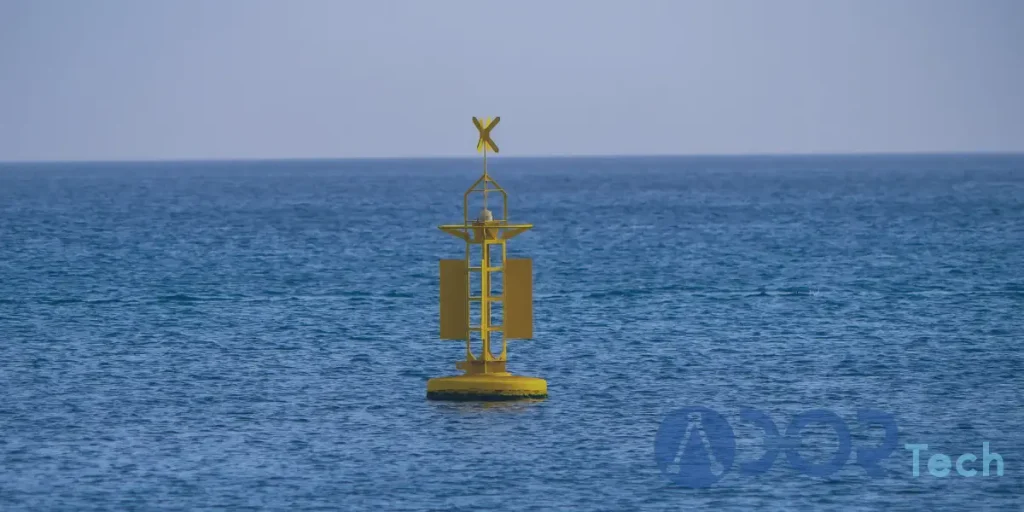
Anchorage buoy purpose is generally to mark the boundary of areas where vessels can anchor. However, anchorage buoy meaning can be different depending on the context. Anchorage buoy can mark the areas near ports and channels, where vessels may use these areas while waiting for clearance to enter port, a berth to become available, or cargo operations to begin. Moreover, an anchorage marker buoy can specify the area where vessels wait temporarily, such as when ships need to wait for safety or security reasons, or for shelter during bad weather. They can also be used to define the port operations area, including where port authorities may direct vessels on where to anchor and for how long.
Anchorage Buoy vs Mooring Buoy: Are They the Same?

The concept of anchorage buoy and mooring buoys for sale is close, and they are mostly considered as one buoy. But it is not. Anchorage buoy is a type of special marker used to identify the boundaries of designated areas, where vessels can anchor. Mooring buoy, on the other hand, is a floating buoy that vessels can anchor or secure themselves to. In fact, anchorage marker buoy and mooring buoy are often used together; one for anchoring and securing a vessel and the other one for warning mariners the area that the vessel is anchored (or may be anchored).
Anchorage Buoy vs Anchor Buoy: What Is the Difference?
Anchorage buoy defines a boundary for designated areas where vessels can anchor or secure while anchor buoy marks the anchor’s position on the water’s surface, helping crews to locate it. So, the main difference between anchorage and anchor buoy is their purpose of use. Despite their similar name, they are designed to operate in different ways. The anchorage buoy color typically should be yellow based on the IALA standards. Anchor buoys, on the other hand, can be provided in various colors, but the point is they should be brightly colored to be recognizable as well.
What Is the Difference Between Anchorage and Cautionary Buoys?
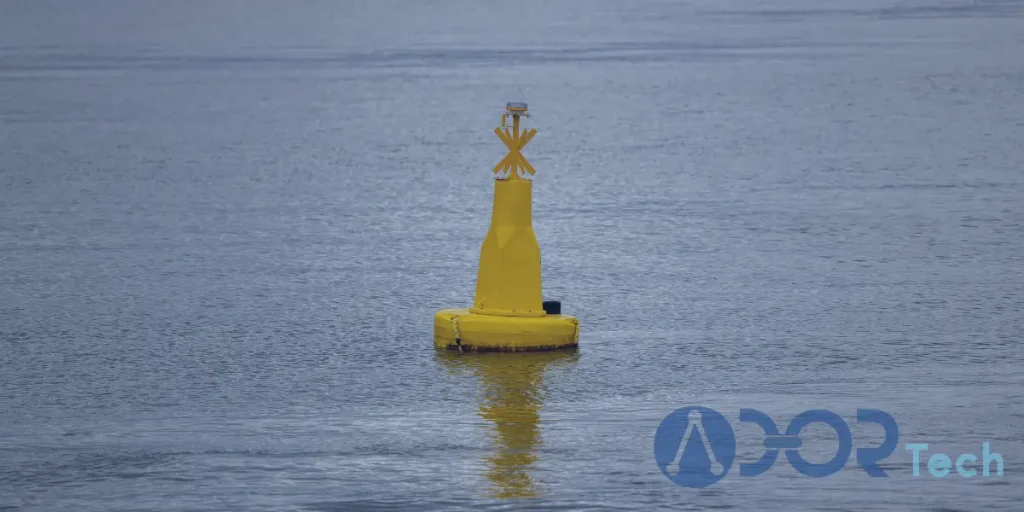
Anchorage and cautionary buoys can be similar in appearance, but they deliver different meaning. Anchorage buoy is a yellow mark with a yellow X-shaped top mark and a black anchor symbol on the body, which is used to specify the boundary of vessels anchoring areas. Cautionary buoys, however, are yellow marks with various top marks based on their purpose of use, designed for warning mariners about an area or feature while navigation. Although both of them are provided in the same color, it doesn’t mean that the anchorage buoy meaning is same as the cautionary buoy meaning.
Conclusion
Anchorage buoy is a buoy mark used to define a boundary for designated areas where vessels can anchor or secure. Anchorage buoy color is yellow worldwide and they are equipped with a yellow X-shaped top mark, but they can be used with different light patterns in various countries and regions. In Canada, anchorage buoy light is yellow, and its pattern is one flashing per 4 seconds but in other countries, the color of anchorage buoy sign is yellow, and the light pattern may be different based on the region’s regulations.
In conclusion, understanding anchorage buoy meaning and its purpose helps mariners to identify the boundaries of where vessels may be anchored to avoid navigating near them or recognizing the vessels anchoring areas to securely anchor their vessels. Learning the anchorage buoy color, symbol, top mark, and light patterns is also necessary to understand the anchorage buoy purpose in different regions and countries.
FAQs
Can I Tie a Vessel to an Anchorage Buoy?
No. An anchorage buoy marks an area; it is not a mooring point. Use a designated mooring buoy if you need to secure your vessel to one.
Does an Anchorage Buoy Show Exactly Where to Drop Anchor?
No. It marks the anchorage’s outer limits. The vessel’s master selects a safe position within the area.
Does an Anchorage Buoy Mean the Water Is Deep Enough for Every Vessel?
No. Mariners should check nautical charts for depth and consider whether the anchorage suits their vessel.